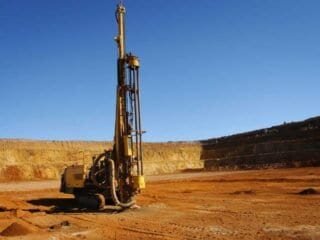
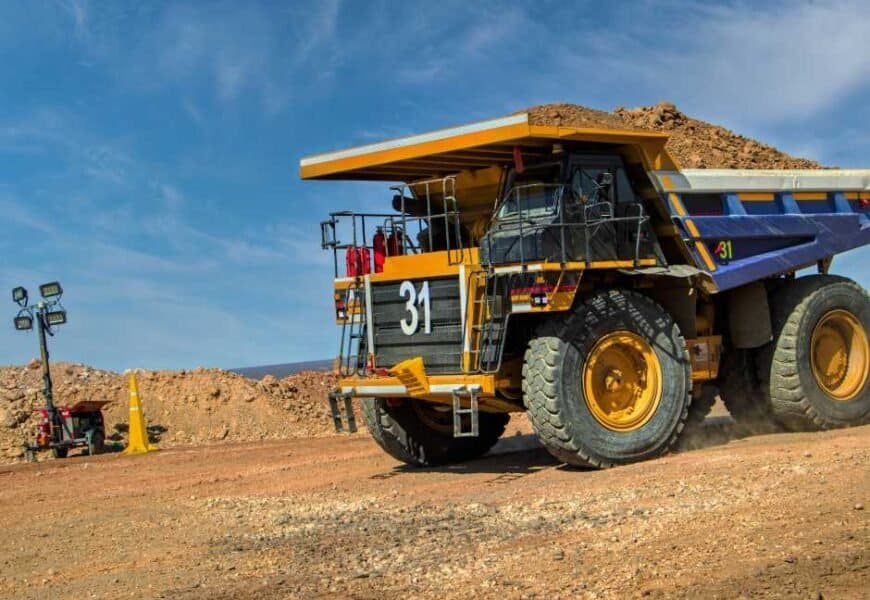
Roy Hill is one of Western Australia’s most impressive single-site mining operations — a fully integrated, independently operated iron ore project owned by Hancock Prospecting. Located 115 kilometres north of Newman in the Pilbara, it’s famous for its massive open-pit mine, 344-kilometre heavy haul railway, and state-of-the-art port facilities at Port Hedland. For FIFO workers, Roy Hill offers world-class infrastructure, high pay, excellent camp conditions, and a company culture that prides itself on safety, technology, and continuous improvement.
This 2026 guide explores everything you need to know before joining Roy Hill — from jobs and pay to rosters, lifestyle, and how it compares to the other major miners.
1. Overview: What Makes Roy Hill Different
Roy Hill stands apart because it’s a single integrated operation rather than a patchwork of separate mines like BHP or Rio Tinto. Everything — from the pit to the port — is owned and managed by one company. This integration makes coordination, efficiency, and accountability stronger.
Owned primarily by Gina Rinehart’s Hancock Prospecting, Roy Hill is a showcase of private investment success in the mining sector. It produces over 60 million tonnes of iron ore per year, with a focus on high-quality fines and lump products for export to Asia.
Why it’s a top FIFO employer:
- High safety and operational standards — among the best in the industry.
- Modern equipment and advanced technology (including autonomous trucks and drills).
- Excellent accommodation, meals, and leisure facilities.
- Clear company hierarchy and career development structure.
- Strong reputation for employee welfare and training.
Challenges to expect:
- Intense rosters and hot, dusty conditions typical of the Pilbara.
- Strict performance expectations and compliance systems.
- Competition for technical and trade roles is strong.
- Limited flexibility — workers are expected to adapt to the company’s disciplined operational style.
2. Location and Site Details
The Roy Hill mine is located in the Chichester Range, near Newman, with operations linked by Roy Hill’s private rail line to its dedicated port at Port Hedland.
Access:
FIFO workers generally fly from Perth to Roy Hill Aerodrome, with chartered flights landing near the mine site. Transport from the airstrip to the village is fully organised by the company.
Facilities:
- Modern mine village with private, air-conditioned ensuites.
- Gym, pool, cinema, tavern, and recreation areas.
- High-quality meals and catering designed for long-term workers.
- Dedicated health and wellbeing facilities, including physiotherapy and mental health support.
Nearby centres:
- Newman (115 km south): the closest regional hub for supplies or emergency travel.
- Port Hedland: connected via the Roy Hill railway; all exports ship through the Roy Hill port terminal.
3. Job Categories and Career Opportunities
Roy Hill employs more than 2,500 people directly and several thousand contractors across operations, maintenance, and support.
Operations and Production Roles
- Mobile Plant Operators: Haul trucks, loaders, graders, water carts, dozers.
- Fixed Plant Operators: Managing crushers, screening systems, conveyors, stackers, and reclaimers.
- Process Technicians: Overseeing ore processing and quality control.
- Train Load-out Operators: Coordinating product loading along the rail line.
Trades and Maintenance
- Heavy Diesel Fitters / Auto Electricians: Maintaining CAT and Komatsu mining fleets.
- Mechanical Fitters: Responsible for fixed plant maintenance, crushers, conveyors, and pumps.
- Electricians and Instrumentation Technicians: Handling power systems, PLCs, and automation.
- Boilermakers and Welders: Repairing chutes, frames, and structural components.
- Riggers, Scaffolders, Crane Operators: Supporting shutdowns, construction, and expansion works.
Support and Specialist Roles
- HSE Advisors and Emergency Response Officers: Site safety, emergency drills, compliance.
- Planners and Reliability Technicians: Managing maintenance schedules and predictive maintenance.
- Camp and Catering Staff: Housekeeping, kitchenhands, cleaning, and logistics.
- Train Drivers and Port Operations: Managing ore trains and export shipments.
Most in-demand trades:
- Heavy Diesel Fitters
- Electrical and Instrumentation Technicians
- Fixed Plant Fitters
- Boilermakers
- Mobile Plant Operators
4. Rosters, Pay, and Benefits
Typical Rosters:
- 2 weeks on / 1 week off (2:1): Standard for most operational and trade roles.
- 8 days on / 6 off: Used for supervisory and planning staff.
- 3 weeks on / 1 week off: Common for shutdowns and construction contractors.
- 5 days on / 2 off: Town-based or Perth office positions.
Average Annual Earnings (2026):
- Utilities / Camp Support: $85,000 – $105,000
- Operators (Mobile / Fixed Plant): $130,000 – $165,000
- Mechanical / Electrical Trades: $145,000 – $180,000
- Riggers / Scaffolders / Crane Ops: $130,000 – $170,000
- Supervisors / Planners / HSE: $160,000 – $210,000
- Engineers / Technical Specialists: $190,000 – $250,000+
Benefits:
- Flights, meals, and accommodation included.
- Attractive performance-based bonuses.
- Health and wellbeing programs (onsite medical and fitness facilities).
- Roy Hill’s employee recognition and reward programs.
5. Qualifications and Site Readiness
Essential Requirements:
- White Card (Construction Induction).
- Working Safely at Heights.
- Confined Space Entry.
- Gas Test Atmospheres.
- High Risk Work Licence (as required).
- First Aid and CPR.
- Trade or operator qualification relevant to role.
- National Police Clearance.
- Pre-employment medical and drug test.
Highly Valued Extras:
- HR or MC licence (for transport and logistics).
- Instrumentation or automation training.
- CAT or Komatsu OEM experience.
- Shutdown or plant commissioning history.
- Leadership or Cert IV in Frontline Management.
Roy Hill is known for only hiring “site-ready” workers — meaning you need your tickets, PPE, and medicals completed before applying.
6. Life on Site
Roy Hill camps are considered among the best in the Pilbara. The company has invested heavily in worker comfort and community.
Living Conditions:
- Fully air-conditioned private rooms with ensuite bathrooms.
- High-quality food prepared by professional chefs.
- Recreation facilities: gym, swimming pool, cinema, and tavern.
- Onsite Wi-Fi and phone reception in most areas.
- Strict zero-tolerance drug and alcohol policy.
Day-to-Day Routine:
- Early morning pre-start around 5:30 am.
- 10–12 hour shift with structured breaks and hydration checks.
- End-of-shift debrief before returning to camp for dinner and rest.
Mental Health and Wellbeing:
Roy Hill runs wellbeing programs including peer-support, mental health check-ins, and lifestyle coaching. Workers can access counselling and telehealth appointments on site.
7. Advantages and Challenges
Advantages:
- Privately owned company with faster decision-making and less bureaucracy than larger corporations.
- Modern, efficient mine design — easier logistics and less downtime.
- Excellent accommodation and facilities.
- Strong safety and leadership culture.
- Opportunities for promotion due to single integrated structure.
Challenges:
- Single-site operation means limited relocation options.
- High expectations on punctuality, safety, and performance.
- Competitive application process, particularly for trade and operator roles.
- Pilbara conditions: extreme heat, dust, isolation.
8. Career Growth and Training
Roy Hill is known for promoting from within. Workers with consistent safety performance and leadership qualities can move quickly up the ranks.
Common Progression Pathways:
- Operator → Senior Operator → Control Room Technician → Supervisor.
- Fitter → Lead Hand → Planner → Maintenance Supervisor.
- Electrician → Instrumentation Technician → Automation Specialist.
- Safety Officer → HSE Advisor → Superintendent.
Training Opportunities:
- In-house technical training for new equipment and plant systems.
- Leadership programs for team leaders and supervisors.
- Apprenticeships for electrical, mechanical, and fabrication trades.
- Continuous improvement programs encouraging staff innovation.
9. Future Outlook (2026–2030)
Roy Hill continues to invest heavily in automation, rail efficiency, and environmental performance. Expansion of autonomous haul trucks and remote operations is ongoing, while sustainability efforts include solar integration and water recycling.
The company’s growth is steady, with increasing opportunities for trades, electrical and instrumentation workers, and operations supervisors. With iron ore demand projected to remain strong in Asia, Roy Hill’s operations are positioned for stability and long-term employment.
10. Final Thoughts
Roy Hill offers some of the best FIFO conditions in Australia — excellent camps, modern equipment, and a culture that values its workforce. It demands discipline, attention to safety, and professionalism, but rewards that commitment with outstanding pay, lifestyle support, and genuine career progression.
If you want the structure of a top-tier operation without the bureaucracy of a multinational, Roy Hill sits right at the sweet spot: big enough for opportunity, focused enough to notice strong performers.