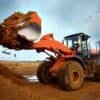
The Early Days: Gold, Distance, and Necessity
Australia’s remote resources have always shaped its workforce. During the gold rush of the 1850s, thousands travelled to Western Australia, Queensland, and Victoria chasing fortune, but these early miners lived in rough, makeshift camps near the diggings. Roads were poor, communication was limited, and isolation was extreme — a far cry from today’s structured FIFO work systems.
By the mid-20th century, Australia’s economy relied heavily on mineral exploration. Companies discovered large deposits of iron ore, nickel, and gas deep in the outback, hundreds of kilometres from major towns. Moving entire communities into these areas was expensive and impractical, laying the groundwork for modern fly-in fly-out jobs in Australia.
During the 1950s and 1960s, state governments and mining corporations experimented with building company towns such as Tom Price, Newman, and Dampier. These towns housed thousands of workers but were costly to maintain. Many employees left after short periods, creating constant turnover. The mining boom demanded a more flexible system that eventually evolved into today’s FIFO camp model.
2. The Birth of FIFO: 1970s–1980s
The concept of fly-in fly-out work was first trialled in the late 1970s in Western Australia, particularly in what we now know as the Pilbara FIFO region. Advances in aviation technology made it possible to transport large groups of workers quickly to remote locations.
One of the earliest major examples was Hamersley Iron, later known as Rio Tinto, which began flying workers from Perth to its operations in the Pilbara. The flights replaced long desert drives and allowed employees to live in the city instead of relocating families to isolated regions.
By the early 1980s, other companies such as BHP and Mount Newman Mining followed the same model. At first, unions and local councils opposed FIFO arrangements, fearing job losses in regional towns. Over time, the efficiency and cost savings made FIFO the preferred method for staffing new projects and set the stage for modern FIFO roster systems.
According to historical data from the Western Australian Department of Mines, more than one third of the Pilbara’s mining workforce was already operating under fly-in rotations by 1985.
3. The Expansion Era: 1990s–2000s
The 1990s saw FIFO evolve from an experiment into a national standard across multiple states.
Western Australia’s iron ore production expanded rapidly, followed by major gas projects along the northwest coast. Companies realised that providing quality accommodation, meals, and flights created a steady, loyal workforce — the early version of today’s modern FIFO camp lifestyle.
During the early 2000s, as global demand for iron ore, coal, and natural gas exploded, the FIFO model was adopted across Queensland, South Australia, and the Northern Territory. The construction of massive sites such as the Gorgon Gas Project on Barrow Island and Olympic Dam in Roxby Downs confirmed that FIFO was here to stay.
The number of FIFO workers tripled between 1995 and 2005, and by 2010, more than 60 percent of the Australian mining workforce operated under rotational systems similar to those outlined in our FIFO rosters guide.
4. The Human Side of FIFO Evolution
Early FIFO life was tough. Accommodation was basic, shifts were long, and communication with home was limited to pay phones and letters.
The rise of mobile phones and internet access transformed the experience. Workers could finally stay connected with family through calls and video chats. Companies began to recognise the importance of mental health, creating recreation facilities, gyms, and entertainment rooms in camps — changes that paved the way for today’s FIFO mental health and wellbeing programs.
By the 2010s, modern FIFO villages resembled small towns, complete with swimming pools, restaurants, and cinemas. Employment agencies began specialising in FIFO recruitment, and the lifestyle became a recognised career path rather than a temporary job, supported by clearer entry-level FIFO pathways and structured trade careers.
5. Economic Importance of FIFO
FIFO work became essential to Australia’s national economy. The ability to staff remote mines without building permanent towns lowered costs and accelerated development across key hubs in the Pilbara and WA, Queensland, and the Northern Territory.
The Australian Bureau of Statistics (ABS) estimated that the resource sector contributed more than $400 billion annually by 2020, with FIFO workers forming the backbone of that productivity and driving high-income careers like haul truck and production operator roles, diesel fitters, and A-grade electricians.
The model also allowed companies to respond quickly to commodity demand, opening and closing sites without the social and financial burden of long-term housing infrastructure.
6. Challenges and Criticism
Despite its success, FIFO work has faced criticism.
Community groups argue that FIFO undermines regional town growth because workers spend limited time locally. Psychologists have raised concerns about isolation, fatigue, and relationship stress — issues we explore in detail in our FIFO mental health guide.
In 2015, the Western Australian Parliament released a major report titled The Impact of FIFO Work Practices on Mental Health. It called for better roster design, improved camp facilities, and stronger family support. Many of those recommendations became industry standards by the early 2020s, reflected in modern roster policies and wellbeing programs on site.
7. The Modern Era: 2020s and Beyond
Today, FIFO is a sophisticated and highly regulated system. Large companies operate entire aviation networks, managing thousands of flights per month across Australia to mining, gas, and renewable energy sites.
Technology continues to improve the experience. Workers can access high-speed Wi-Fi in camp, participate in virtual safety training, and manage rosters through mobile apps, making it easier to plan around swings and time off.
The rise of renewable energy projects and the demand for critical minerals such as lithium and nickel have created new generations of FIFO jobs that look beyond traditional mining. Companies like Fortescue Future Industries (FFI), Lynas Rare Earths, and Iluka Resources are expanding into cleaner, more sustainable operations.
Government and industry have also collaborated to enhance diversity. Programs such as Women in Mining WA (WIMWA) and Indigenous employment initiatives ensure FIFO work remains open and inclusive, creating clearer pathways from entry-level camp roles into trades, technical positions, and leadership.
8. Summary: From the Outback to the Sky
The history of FIFO work in Australia is a story of adaptation. What began as a practical solution to distance has become a defining feature of the nation’s economy. It has connected city living with remote industry and given thousands of Australians access to opportunities once limited by geography, from entry-level camp jobs to high-paying diesel fitter, instrumentation technician, and supervisor roles.
The system continues to evolve, but its foundation remains the same: providing a bridge between modern cities and the most isolated worksites on Earth — and, for those who understand its history and demands, a pathway to build long-term careers in Australia’s FIFO industry.