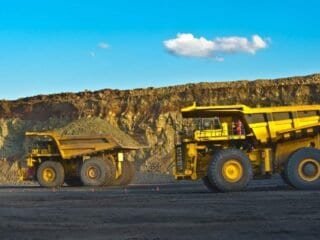

From giant crushers in the Pilbara to turbines in the Bowen Basin, every part of Australia’s heavy industry relies on one essential trade — the Mechanical Fitter.
These tradespeople are the precision engineers of the site. They assemble, align, maintain, and repair the machinery that drives mining, energy, and construction projects across the country. When a plant shuts down or a conveyor grinds to a halt, it’s the Mechanical Fitter who brings it back to life.
With 2026 marking another boom in iron ore, LNG, and renewable projects, FIFO Mechanical Fitters are among the most sought-after workers in Australia. This guide gives you everything — pay, qualifications, equipment, employers, and real-world insight into life on site.
1. The Role of a FIFO Mechanical Fitter
Understanding what Fitters actually do sets the foundation for your career. They are responsible for assembling, maintaining, and repairing mechanical plant and equipment used across mining and industrial sites.
Core Responsibilities
- Diagnose and repair pumps, compressors, gearboxes, conveyors, and crushers.
- Assemble mechanical components according to engineering drawings.
- Align shafts, couplings, and bearings using precision tools.
- Perform shutdown maintenance and rebuilds of heavy fixed plant.
- Conduct hydraulic and pneumatic system servicing.
- Replace worn components like belts, rollers, and seals.
- Work with welders, electricians, and riggers on site-wide maintenance.
- Follow isolation procedures and perform mechanical inspections.
Their work keeps production running and downtime to a minimum — every minute saved means thousands of dollars for the operation.
2. Typical Machinery and Equipment You’ll Work On
Fitters are hands-on with some of the world’s largest industrial machines.
| Equipment Type | Common Examples | Key Components Serviced |
|---|---|---|
| Crushers and Mills | Metso HP400, Sandvik CH660, FLSmidth Ball Mill | Bearings, drive shafts, liners, couplings |
| Conveyors and Feeders | Fenner, Rulmeca, PROK | Rollers, pulleys, idlers, belt tensioners |
| Pumps and Valves | Warman, KSB, Flowserve | Mechanical seals, impellers, gaskets |
| Hydraulic Systems | Parker, Eaton, Bosch Rexroth | Cylinders, hoses, manifolds |
| Compressors and Blowers | Ingersoll Rand, Atlas Copco | Air filters, belts, lubrication |
| Gearboxes and Drives | SEW-Eurodrive, Bonfiglioli | Couplings, bearings, alignment |
| Screens and Vibrators | Schenck, Derrick, Metso | Bearings, decks, vibration motors |
Mechanical Fitters are the backbone of plant reliability — their attention to detail determines how efficiently a site operates.
3. Essential Skills and Knowledge
A top-tier Fitter is both a problem-solver and a precision craftsman.
Core Technical Skills
- Reading mechanical and hydraulic schematics.
- Using precision measurement tools (micrometers, dial indicators, laser aligners).
- Performing fault diagnosis on rotating equipment.
- Conducting pump and gearbox overhauls.
- Welding and basic fabrication (for minor onsite fixes).
- Completing lubrication and oil analysis programs.
- Maintaining accurate service records and checklists.
Fitters who understand hydraulics, pneumatics, and alignment technology earn premium rates and are often first picked for shutdown work.
4. Qualifications and Training Pathway
To work as a FIFO Mechanical Fitter, you need the right trade credentials and safety tickets.
Mandatory Qualifications
- Certificate III in Engineering – Mechanical Trade (MEM30219).
- White Card (CPCWHS1001).
- Pre-employment medical and drug screening.
Highly Recommended Tickets
- Working Safely at Heights (RIIWHS204E).
- Confined Space Entry (RIIWHS202E).
- High-Risk Work Licence (EWP, LF).
- Gas Testing Atmospheres (MSMWHS217).
- Basic Rigging or Dogging (for shutdowns).
Advanced Training Options
- Hydraulic Systems Maintenance.
- Laser Alignment and Precision Balancing.
- Reliability and Condition Monitoring.
- Diploma of Engineering – Technical (MEM50222).
Employers increasingly look for Fitters with predictive maintenance and shutdown planning knowledge.
5. Tools and Equipment Used by Mechanical Fitters
A Fitter’s toolkit is a mix of brute force and microscopic precision.
Standard Equipment:
- Socket sets, torque wrenches, pullers, and bearing heaters.
- Dial gauges and laser alignment tools.
- Pneumatic and hydraulic wrenches.
- Portable lathes, presses, and grinders.
- Grease guns and oil filtration systems.
Precision and Diagnostic Tools:
- Vibration analyzers (SKF, Pruftechnik).
- Laser shaft alignment systems (Fixturlaser, Optalign).
- Thermal imaging cameras for temperature analysis.
Emerging Tech:
- IoT condition monitoring sensors.
- Predictive maintenance software for shutdown planning.
6. Where FIFO Fitters Work in 2026
Mechanical Fitters are vital across Australia’s industrial heartlands.
- Western Australia: Pilbara and Goldfields — BHP, FMG, Rio Tinto, and Roy Hill lead the way.
- Queensland: Bowen Basin and Surat Basin coal and gas operations.
- Northern Territory: Darwin LNG, Tindal defence projects, and mining expansions.
- South Australia: Olympic Dam, Carrapateena, and Whyalla steelworks.
- New South Wales: Hunter Valley mines, Broken Hill, and large solar builds.
Demand is highest in WA and QLD, where large-scale shutdowns require hundreds of experienced Fitters at once.
7. Salaries, Rosters, and Benefits
Mechanical Fitters are rewarded for endurance, skill, and reliability.
| Position | Hourly Rate | Annual Range | Typical Roster |
|---|---|---|---|
| Apprentice | $35–$45 | $80,000–$95,000 | 8:6 |
| Qualified Mechanical Fitter | $55–$70 | $120,000–$150,000 | 2:1 |
| Senior Fitter / Shutdown Specialist | $75–$90 | $160,000–$180,000 | 2:1 |
| Supervisor / Leading Hand | $95–$110 | $180,000–$210,000 | 2:1 |
| Reliability or Maintenance Planner | $110–$130 | $210,000–$240,000 | 4:2 |
Rosters vary but 2:1 and 8:6 remain the standard. Most companies provide flights, meals, accommodation, and tool or PPE allowances.
8. Major Employers and Contractors
Knowing who hires Fitters gives you a head start in landing FIFO roles.
- Mining Operators: BHP, Rio Tinto, FMG, Roy Hill, South32.
- Contractors: Monadelphous, Downer, Thiess, Macmahon, Civmec.
- OEMs and Equipment Specialists: Metso, FLSmidth, Komatsu, Liebherr, Schenck.
- Recruitment Agencies: CoreStaff, Programmed, WorkPac, Stellar Recruitment.
Shutdown and maintenance contractors offer the fastest entry path for new FIFO Fitters.
9. Typical Day on Site
Life as a Fitter is a blend of precision work and teamwork under pressure.
Morning pre-start meetings begin around 5:30 am, followed by safety checks and job allocations. The day involves equipment inspections, bearing replacements, alignments, and breakdown repairs. Teamwork is essential — Fitters work alongside electricians, riggers, and boilermakers to restore plant systems safely.
By late afternoon, maintenance logs are completed, tools cleaned, and reports submitted before heading back to camp.
10. Career Progression and Growth Opportunities
Mechanical Fitting can lead to high-level technical or leadership roles.
Stage 1 (Years 1–3): Apprentice or Trade Assistant learning diagnostics.
Stage 2 (Years 4–7): Site Fitter handling plant maintenance and shutdowns.
Stage 3 (Years 8–10): Senior Fitter or Maintenance Technician.
Stage 4 (Years 10–15): Leading Hand, Supervisor, or Planner.
Stage 5 (15+ Years): Reliability Engineer or Maintenance Superintendent.
Further Education Options
- Diploma of Mechanical Engineering or Project Management.
- Certificate IV in Leadership and Management.
- Reliability and Asset Management Training.
Fitters who master predictive maintenance and reliability analysis often move into white-collar roles with six-figure salaries.
11. Working Conditions and Challenges
FIFO life for Mechanical Fitters is tough, but the rewards are huge.
Advantages
- Strong demand and high pay.
- Hands-on, technical, and varied work.
- Pathway to supervision or engineering.
- Opportunity to work with the latest mechanical systems.
Challenges
- Harsh temperatures and long hours.
- Rostered time away from family.
- Heavy physical workload.
- High expectations for safety and precision.
A good Fitter learns to balance stamina with focus — every bolt and bearing counts.
12. How to Start a FIFO Mechanical Fitter Career
Breaking into FIFO starts with qualification and persistence.
- Complete Certificate III in Engineering – Mechanical Trade.
- Get site-ready tickets (White Card, Heights, Confined Space).
- Gain workshop or maintenance experience.
- Apply for short-term shutdown or labour-hire contracts.
- Build references and progress to long-term FIFO rotations.
- Add hydraulic and laser alignment training to advance faster.
With consistent performance, most Fitters reach $160,000+ within five years.
13. The Future of Mechanical Fitting in 2026
Automation and data-driven maintenance are changing the trade — but not replacing it.
Fitters are now working alongside AI predictive systems, smart vibration sensors, and automated shutdown planning software. Those who embrace technology and continuous learning are positioned to lead Australia’s next generation of maintenance professionals.
With major projects in renewables, hydrogen, and electric mining fleets, mechanical fitting remains one of the most secure and evolving trades in the country.
14. Conclusion: The Trade That Keeps Australia Turning
From crushing ore to moving turbines, Mechanical Fitters make industrial Australia possible. Their skill ensures that every machine, pump, and gearbox continues to run in some of the harshest conditions on earth.
In 2026, this trade represents not just a job, but a career built on precision, strength, and adaptability. If you love working with your hands, solving complex mechanical puzzles, and earning strong money in the process, this path offers everything — challenge, stability, and pride.
Next Steps:
- Certificate III in Mechanical Engineering Trade
- Hydraulic Systems and Alignment Training
- Condition Monitoring and Reliability Courses
- Leadership and Maintenance Planning Pathway