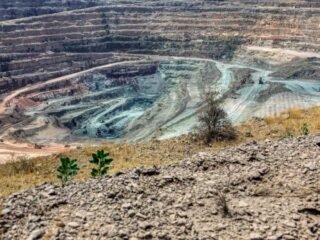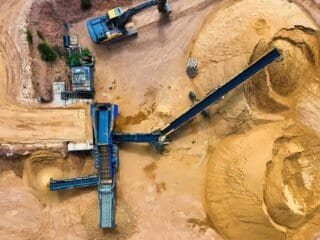
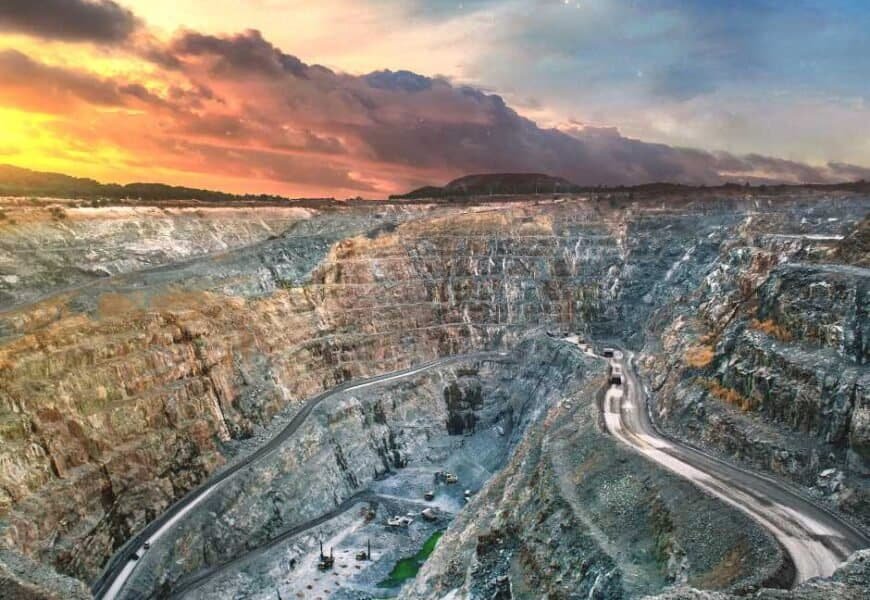
Queensland stands out as one of Australia’s most dynamic regions for fly-in fly-out (FIFO) employment. With vast coal and gas basins, expanding renewable energy infrastructure, and major industrial hubs along the coast and inland, Queensland offers immense opportunities for trades, technicians and support staff.
In 2026 the state hosts thousands of remote site roles, offering high wages, structured rosters and travel support. Understanding the regions, industries, qualifications and lifestyle specifics is crucial if you’re planning a FIFO career here.
1. Key FIFO Regions and Towns in Queensland
Why region matters for your role and lifestyle
The roster, travel time, camp infrastructure and pay all vary significantly depending on which part of Queensland you work in. Knowing the major FIFO hubs helps you target the right opportunities and prepare the right mindset.
Major Regions
- Bowen Basin (Central Queensland): Includes towns such as Moranbah, Blackwater, Dysart and Nebo. A major coal-mining zone with strong FIFO and DIDO (drive-in drive-out) presence.
- Surat Basin & Western Queensland: Includes Roma, Chinchilla, Wandoan and other sites tied to gas, water-treatment, pipeline and renewables infrastructure.
- Gladstone & Central QLD Coast: Bulk ports, LNG terminals, heavy industry and processing facilities create roles for maintenance, trades and camp services.
- Far North Queensland & Cape York: Remoteness increases the roster premium. Locations such as Weipa and towns servicing bauxite/mining projects cater for FIFO support and trade roles.
- Outback and Inland Hubs: Smaller but important camps in regional QLD where services, utilities and trade roles are required across mining, civil and infrastructure projects.
2. Major Industries and Projects Driving Employment
Understanding what sectors generate FIFO work
Different industries have different rostering, skill requirements and pay scales. The right industry choice can determine your career trajectory and work-life balance.
Industry Breakdown
- Coal Mining & Resources: Central Queensland’s Bowen Basin remains a heavyweight source of work. Roles span from machine operators to tradespeople and camp support.
- Oil & Gas / LNG / Pipeline Infrastructure: Onshore gas fields and pipeline networks in the Surat Basin and Western QLD drive demand for instrumentation, piping, mechanical and electrical trades.
- Renewables, Hydrogen & Minerals Processing: Queensland is increasingly investing in solar, battery, hydrogen and critical-minerals refining, creating newer trade roles beyond traditional mining.
- Industrial & Port Services: The Gladstone region has heavy industry, maintenance and processing roles supporting port exports, alumina, chemicals and associated services.
3. Common FIFO Roles in Queensland
The breadth of job types you can target
Whether you’re just starting or already certified, Queensland’s FIFO job market spans from entry level through to senior trade and supervisory roles.
Typical Roles
- Qualified Trades: Electricians, Plumbers, Diesel Fitters, Boilermakers, Carpenters in camp and site infrastructure.
- Technical Roles: Instrumentation Technicians, Automation Technicians, Safety Officers, Environmental Technicians.
- Entry & Support Roles: Utility Workers, Kitchenhands, Storepersons, Transport Drivers, Camp Services Staff.
- Leadership Roles: Leading Hands, Supervisors, Maintenance Planners, Site Managers.
Once you gain experience in the region you can cross over into multiple trades or move into supervisory positions.
4. Rosters, Pay Rates & Lifestyle Considerations
What you earn and how you live while working FIFO in QLD
Rosters affect your time at home, your fatigue levels and your overall satisfaction. Pay reflects both the trade and region.
Roster & Pay Overview
- Common roster types: 2:1 (14 days on, 7 off), 3:1 (21 on, 7 off), 8:6 or 9:5 for camp/support roles.
- Example pay ranges (2026 typical):
- Support/Camp roles: ~$90,000–$120,000 annual.
- Qualified Trades: ~$130,000–$170,000 annual.
- Senior/Lead roles: ~$160,000–$210,000+.
- Lifestyle: Camps in QLD vary – some tropical, some inland heat; accommodation and meals are often provided; travel logistics and remote living are real factors to consider.
5. Required Qualifications, Tickets & Inductions for QLD Sites
Why your qualification stack matters
Employers in QLD expect not just a trade certificate but a bundle of safety tickets and site-specific inductions. Without these you may struggle to get mobilised.
Key Requirements
- Trade Certificate (e.g., Certificate III in your trade) or equivalent experience.
- White Card, Working Safely at Heights, Confined Space Entry, First Aid.
- State-specific licences (electrical, plumbing, high‐risk work) where applicable.
- Site inductions such as coal board, resource-industry induction, or camp induction depending on region.
- Drug & alcohol testing, medical fitness, police checks may be required for remote sites.
6. Living and Working Conditions in Queensland FIFO Camps
What daily life and remote site reality look like
Working FIFO in QLD means adjusting to a unique rhythm: long shifts, remote living, and structured routines. Understanding this environment is key to deciding if it’s right for you.
Conditions to know
- Accommodation: Often private rooms, air-conditioned, with meals and amenities.
- Shifts: 10- to 12-hour days, early starts (often 5–6 am).
- Climate: Coastal tropical heat and humidity in Far North; inland heat and dust in the Bowen Basin.
- Camp Life: Entertainment, gyms, recreation often provided. Time off is home time, make it count.
- Social/Family Impact: Time away from family; the roster heavily influences relationships and lifestyle.
7. Travel, Mobilisation & Logistics
How you get to site and what’s involved
Part of the FIFO job is the travel and logistics. Knowing how mobilising works in QLD helps you prep for the journey and roster swing.
Typical Travel Patterns
- Charter flights from major airports (Brisbane, Townsville, Cairns) to remote camps.
- Drive-in options (DIDO) in some accessible regional hubs.
- Employers usually cover flights, ground transport, meals while on roster, but check contract details.
- Home base: Many live in Brisbane, but regional hubs like Mackay, Townsville or Gladstone act as staging points.
8. Lifestyle, Family and Mental Health Considerations
Why FIFO is more than just a job
Beyond pay and trade skill, the FIFO lifestyle has a profound impact on mental health, family relationships and personal routine. Queensland’s remote sites are no exception.
Key Aspects
- Support networks: Many companies provide EAP (employee assistance programs), mental-health support, recreation facilities.
- Communication: Good internet in camps helps, but time zones and fatigue can strain home life.
- Roster structure: Decide if 2:1, 3:1 or DIDO suits your family and partner.
- Physical fitness and downtime: Remote site work is physically demanding; rest and wellness matter.
- Career planning: The lifestyle can be intense but good wages and roster give opportunities for savings, travel, family time off.
9. Future Outlook: What’s Next for FIFO in Queensland (2026–2030)
Why opportunities will continue
Queensland is entering a phase of transition: while traditional coal mining remains significant, growth in gas, renewables and critical minerals is expanding the FIFO market into new skills and roles.
Key Trends to Watch
- Expansion of gas and LNG infrastructure in the Surat Basin and Western QLD.
- Renewable energy and battery-storage projects in inland and coastal regions.
- Water, waste and infrastructure upgrades tied to mining camps and processing sites.
- Increasing demand for trades that span multiple disciplines (electrical + instrumentation, plumbing + water treatment) as sites become more complex.
- New rostering models and site amenities designed to improve retention and lifestyle balance.
10. Conclusion: Your Gateway to a Strong FIFO Career in Queensland
Queensland offers a unique blend of trade demand, high wages and diverse industries for FIFO workers. If you are ready for remote living, structured rosters and continuous learning, this state gives you the chance to build a stable, high-earning career in a booming resource and energy economy.
With the right qualifications, safety tickets and mindset, you can position yourself for success in 2026 and beyond.