The town of Onslow, set on the Indian Ocean coast of Western Australia’s North West, is quickly becoming one of the most important FIFO hubs outside the Pilbara. Once a quiet fishing outpost, it has transformed into a strategic base for heavy industry, energy, and logistics. With iron ore projects, renewable initiatives, and port expansions underway, the Gascoyne Coast is no longer just a scenic region — it’s a powerhouse of opportunity for skilled and entry-level FIFO workers alike.
1. The Region and How to Get There
Onslow sits roughly 1,300 kilometres north of Perth, accessible by commercial and charter flights from Perth Airport to Onslow Airport. The North West Coastal Highway connects the region to the Pilbara in the north and Carnarvon in the south, serving as a major supply route for mining and construction sites.
The area is known for its rugged beauty — red desert meeting turquoise coastline — but also for its extreme climate. Summers are hot and humid, with cyclone risks between December and April. Because of the isolation, most FIFO workers live in Perth or other major cities and fly directly to site. For others, particularly truck drivers and heavy-equipment operators, long-distance road travel and DIDO arrangements are also common.
2. Industry Overview: Why Onslow is Growing
The Gascoyne Coast is no longer a peripheral mining zone. Onslow and its surrounding areas are central to several billion-dollar projects that combine traditional resources with modern infrastructure.
Iron Ore and Logistics:
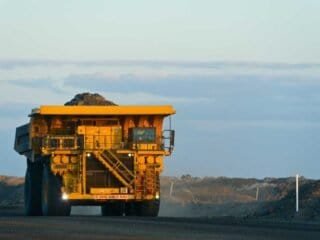
Iron ore extraction and transport are major employers, especially with new operations designed around road-train logistics rather than rail. These projects use thousands of kilometres of dedicated haul roads connecting inland mines to the coast, creating continuous work for mechanics, drivers, and plant operators.
Energy and Renewables:
The coast’s proximity to gas reserves and port access has positioned Onslow as a future hub for green energy and hydrogen export. New wind and solar developments are underway to power mining operations and regional infrastructure.
Construction and Port Development:
Massive construction projects around the export terminals have generated consistent demand for scaffolders, riggers, electricians, and civil operators. Port upgrades and road expansions will continue through the late 2020s, feeding job stability in both FIFO and DIDO contracts.
3. Types of FIFO Jobs in Onslow and the Gascoyne
The job diversity in this region rivals that of the Pilbara but with a stronger emphasis on logistics and coastal infrastructure.
Mobile Plant and Haulage:
Operators handle side tippers, loaders, graders, and dozers on large-scale road networks. Road-train drivers with multi-combination licences are highly sought after. Diesel fitters, heavy-vehicle mechanics, and auto electricians maintain these fleets, often working out of both mobile and fixed workshops.
Trades and Maintenance:
Mechanical fitters, boilermakers, and electricians keep processing plants, port systems, and heavy haulage fleets running. Instrumentation technicians manage automation and monitoring equipment used in modern mineral handling systems.
Construction and Project Work:
Riggers, scaffolders, and crane operators remain in demand for major civil and marine construction. Carpenters and concreters contribute to building port facilities, accommodation villages, and transport yards.
Support and Camp Roles:
Kitchenhands, utility staff, and cleaners maintain camps that house hundreds of FIFO workers. Logistics and procurement teams manage supply chains to remote sites, coordinating everything from fuel and tools to food and safety equipment.
Administration and HSE Roles:
With complex transport chains and remote sites, there is strong demand for site administrators, safety officers, and training coordinators capable of managing compliance and supporting large workforces.
4. Rosters, Pay, and Working Conditions
The Gascoyne Coast offers similar rosters to other mining regions, but with added variability depending on project timelines.
Common Rosters:
- 2 weeks on, 1 week off for haulage and logistics roles.
- 8 days on, 6 off for fixed operations and maintenance.
- 3 weeks on, 1 off for construction or heavy civil work.
- 7 days on, 7 off for localised DIDO arrangements.
Average Pay Ranges (2026):
- Utility and hospitality: $85,000–$100,000
- Plant and machinery operators: $130,000–$160,000
- Mechanics, electricians, and fitters: $140,000–$180,000
- Supervisors and safety officers: $160,000–$210,000
- Engineers and project managers: $200,000–$260,000+
Conditions:
Most companies provide flights, accommodation, and meals as part of the contract. Camps are generally modern, offering private rooms, gyms, recreation facilities, and high-quality catering. However, travel fatigue, heat, and isolation are real challenges, particularly during cyclone season when operations can be disrupted.
5. Training and Licences Required
To work in the Onslow or Gascoyne region, workers must hold up-to-date safety tickets and relevant trade or machinery qualifications.
Mandatory Requirements:
- White Card (Construction Induction)
- Standard 11 or Mining Induction
- Working Safely at Heights
- Confined Space Entry
- Gas Test Atmospheres
- High Risk Work Licence (EWP, rigging, dogging, or crane)
- First Aid and CPR
Highly Valued Skills:
- Heavy Rigid or Multi-Combination (MC) licence for haulage work.
- Advanced mechanical or electrical trade certification.
- Experience in port logistics or marine infrastructure.
- Leadership or HSE qualifications for supervisory positions.
Local training providers in Geraldton, Karratha, and Perth often run fast-track programs specifically for workers mobilising to Gascoyne-based projects.
6. Living and Working on the Gascoyne Coast
While Onslow offers a beautiful coastal lifestyle, it is still remote and demanding. The combination of heat, humidity, and distance can take a toll on workers not used to regional life.
Camp Life:
Camps near major project hubs offer comfortable accommodation, often with private rooms, ensuite bathrooms, gyms, and quality dining. Some camps are near the coast, giving workers a rare chance to enjoy beach walks or fishing between shifts.
Town Life:
Onslow itself is small but growing, with shops, a pub, recreation facilities, and healthcare services. Rental prices remain high due to limited housing, so most FIFO staff rely on company accommodation.
Social and Mental Health:
Because rosters can be intense and isolation can creep in, employers encourage participation in wellbeing programs and social events. Workers who plan their off-time well and stay active tend to adapt better to the FIFO rhythm.
7. Key Challenges and Realities
Working on the Gascoyne Coast comes with a mix of opportunity and difficulty.
- Cyclone season can cause delays or shutdowns, affecting pay and rosters.
- Long road hauls require strict fatigue management and constant vigilance.
- Remote communications can be limited, especially inland from the coast.
- Some projects are still ramping up, meaning contract lengths and rosters may change.
Preparation, resilience, and flexibility are crucial to succeeding in this environment.
8. The Future of Onslow and the Gascoyne (2026–2030)
The region is on the brink of major expansion. Several energy, logistics, and infrastructure projects will reshape its economy over the next five years.
- New road-train corridors and port developments will support long-term heavy transport operations.
- Lithium, nickel, and hydrogen projects will introduce specialised technical roles in automation and green energy systems.
- Renewable power systems are being built to supply both the mining industry and local communities.
- The government’s push for regional economic diversification will support small business growth and support services around Onslow.
For workers with trade skills or logistics experience, the opportunities will only increase as the Gascoyne becomes a permanent fixture of WA’s resource network.
9. Conclusion: The Coastal Frontier of FIFO
The Onslow and Gascoyne region is not just another remote outpost — it’s the next evolution of Western Australia’s FIFO industry. It combines the high-paying, structured rosters of the Pilbara with the oceanfront lifestyle of the coast.
Workers willing to adapt to the heat, isolation, and long shifts will find both stability and strong earning potential. For diesel mechanics, road-train drivers, electricians, and construction crews, the Gascoyne is where the next decade of opportunity will unfold — a frontier that mixes coastal life with the heart of Australian industry.