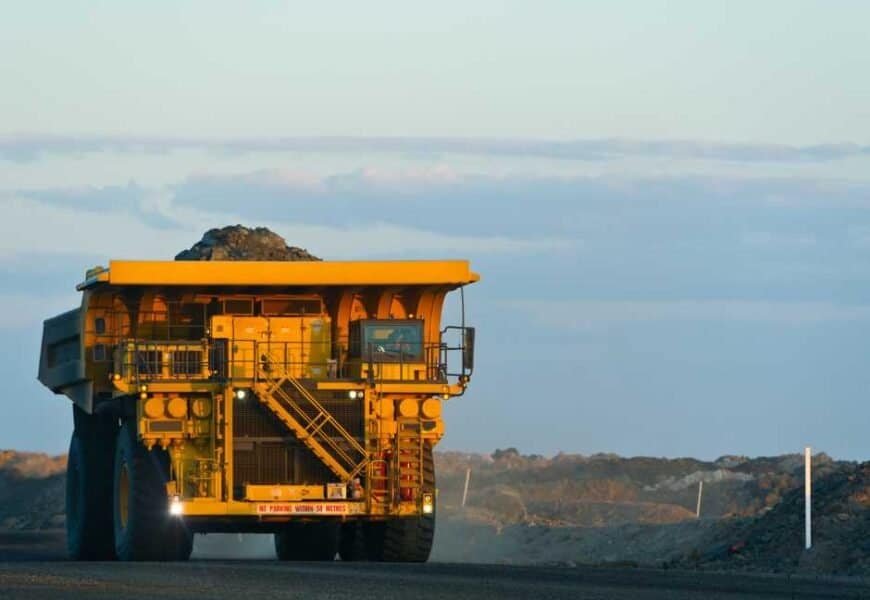
The Kimberley region represents one of the most remote, visually stunning, and economically diverse frontiers in Australia. With Broome as its coastal hub, this vast region stretches across red deserts, tropical coastline, and mineral-rich plateaus. It combines mining, energy, civil construction, and regional infrastructure — all requiring highly skilled FIFO and DIDO workers.
Working in the Kimberley is unlike any other FIFO experience. It is remote, humid, and logistically complex, but the opportunities for tradespeople, operators, and project staff are expanding fast, especially as new resources and energy projects roll out across northern Western Australia.
1. Geography and Access: Getting to the Kimberley
The Kimberley covers over 420,000 square kilometres — roughly the size of California — with Broome, Derby, and Kununurra acting as regional gateways. Broome is the most common arrival point for FIFO workers, supported by regular flights from Perth and Darwin.
Transport Access:
- Broome International Airport services both commercial and charter flights to remote airstrips near mines and gas fields.
- Kununurra Airport provides additional access for projects in the East Kimberley.
- For DIDO arrangements, the Great Northern Highway connects Broome, Fitzroy Crossing, Halls Creek, and Kununurra, though distances are immense and travel can take over a day.
The region’s remoteness makes most operations fully FIFO, with workers staying in camps or temporary villages. The tropical climate means high humidity and monsoonal rains during the wet season (December to March), which can delay transport or temporarily shut down worksites.
2. Industry Overview: What Drives FIFO Work in the Kimberley
The Kimberley’s economy combines established industries with new projects in mining, energy, and infrastructure.
Mining and Resources:
Nickel, copper, gold, iron ore, and rare earth elements are extracted across the region, especially near Halls Creek and Kununurra. The Savannah Nickel Mine and Merlin rare earth projects are examples of growing employers in the East Kimberley.
Oil, Gas, and Energy:
Broome’s location on the Indian Ocean makes it a base for offshore gas support operations. Projects linked to the Browse Basin and the wider LNG network require engineers, rigging specialists, mechanics, and logistics crews. Several renewables and hydrogen pilot projects are also emerging along the Kimberley coast.
Infrastructure and Civil Projects:
The Kimberley’s vast distances demand continuous infrastructure development. Roads, bridges, and community construction projects create roles for plant operators, surveyors, concreters, and road-train drivers. Civil contractors operate under both government and private contracts, often involving mobile camps.
Agriculture and Pastoral Support:
Although smaller in scale, agriculture and remote station operations employ mechanics, electricians, and service technicians under hybrid FIFO/DIDO arrangements.
3. Types of FIFO Jobs Available in Broome and the Kimberley
The Kimberley offers one of the widest mixes of FIFO roles in Western Australia.
Mining and Processing Roles:
- Mobile plant operators for excavators, graders, and loaders.
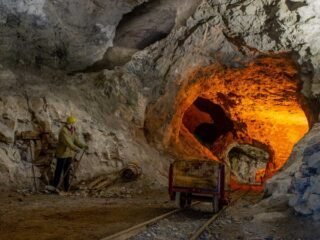
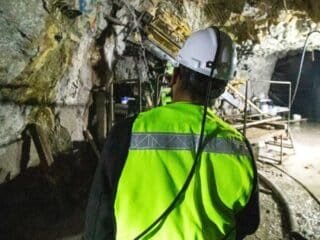
- Underground drillers and offsiders for smaller-scale mining operations.
- Process plant technicians, laboratory assistants, and electricians in mineral processing facilities.
Trades and Maintenance:
- Diesel mechanics and heavy-equipment fitters maintaining road trains and haulage fleets.
- Electricians and instrumentation technicians working on remote power plants and substations.
- Boilermakers and welders maintaining plant infrastructure and marine facilities.
Civil Construction and Infrastructure:
- Road-construction crews operating graders, rollers, and compactors.
- Bridge-building specialists, concreters, and formworkers.
- Crane operators, riggers, and scaffolders for regional infrastructure and port upgrades.
Support and Camp Roles:
- Cooks, kitchenhands, and cleaners for camp accommodation.
- Logistics and warehouse personnel handling supplies for long-distance projects.
- Site administrators, procurement officers, and training coordinators supporting large field operations.
Employers in the Region:
Common companies include Thiess, NRW, Monadelphous, Macmahon, Kimberley Mining, and several regional civil contractors supporting the WA Government’s regional infrastructure programs.
4. Rosters, Pay, and Conditions
The Kimberley’s isolation results in higher pay rates and slightly longer roster swings to balance travel logistics.
Common Rosters:
- 2 weeks on, 1 week off for civil and construction roles.
- 3 weeks on, 1 week off for remote mining and exploration work.
- 8 days on, 6 off for site maintenance or logistics contracts.
- 4 weeks on, 2 weeks off for some gas and offshore-support projects.
Estimated Pay Bands (2026):
- Camp and service staff: $85,000–$105,000
- Mobile plant operators: $130,000–$170,000
- Diesel fitters, electricians, and boilermakers: $140,000–$190,000
- Safety officers and supervisors: $160,000–$220,000
- Engineers and project managers: $200,000–$280,000+
Conditions to Expect:
Shifts are typically 10–12 hours, with hot, humid weather and limited downtime. Many operations work year-round, though wet-season disruptions can occur. Flights, meals, and accommodation are provided, and most modern camps offer air-conditioned rooms, gyms, recreation areas, and internet access.
5. Training and Certification Requirements
Given the remoteness of the Kimberley, most employers require workers to be fully compliant before arrival. Mobilisation delays are costly, so being “work-ready” is vital.
Mandatory Tickets:
- White Card (Construction Induction)
- Working Safely at Heights
- Confined Space Entry
- Gas Test Atmospheres
- High Risk Work Licence (rigging, dogging, forklift, or crane)
- First Aid and CPR
- Relevant trade or machinery qualification
Valuable Add-Ons:
- Heavy Rigid or Multi-Combination licence for long-haul transport.
- Certificate III in Process Plant Operations or Surface Extraction.
- Hazardous Areas Electrical certification.
- Supervisor or HSE training for leadership roles.
Many workers complete refresher courses through RTOs in Perth or Broome before mobilising north.
6. Life in Broome and the Kimberley Camps
Broome Lifestyle:
Broome is one of the few FIFO hubs with real coastal appeal. Cable Beach, restaurants, and community events make it a desirable location for pre- or post-roster relaxation. Some workers base their families in Broome and commute to nearby sites, though most still fly from Perth.
Camp Life:
Camps vary from small exploration setups to modern villages with private ensuites, fitness facilities, and outdoor recreation spaces. Workers in remote inland operations may experience more basic setups but are compensated with higher site allowances.
Social and Mental Health:
The Kimberley’s isolation and wet-season downtime can challenge morale. Most companies offer wellness programs, counselling, and digital recreation options to help workers cope.
7. Challenges and Realities
Working in the Kimberley demands mental and physical resilience.
- The wet season can halt road access and delay rosters.
- Long travel distances make emergency response and resupply difficult.
- Limited mobile coverage and isolation can affect communication.
- Insects, heat, and tropical storms are constant environmental factors.
Despite these challenges, many workers value the Kimberley experience for its strong pay, supportive teams, and breathtaking natural surroundings.
8. The Future of the Kimberley (2026–2030)
The next decade will see the Kimberley transition from a frontier economy into a major strategic resource zone.
- Ongoing nickel and rare-earth exploration will sustain new mine developments.
- The expansion of the LNG network and renewable hydrogen initiatives will add new technical and engineering roles.
- Civil upgrades to the Great Northern Highway and regional airports will create long-term work for operators and trades.
- Indigenous joint ventures and local workforce programs will expand opportunities for residents and improve regional training access.
As energy and logistics shift north, the Kimberley will grow into one of the most important FIFO corridors in Australia.
9. Conclusion: The Northern Frontier of FIFO Work
Broome and the Kimberley region represent both the challenge and the promise of remote work. It is not for everyone — the heat, isolation, and long shifts test even experienced workers — but for those seeking strong pay, variety, and adventure, few places compare.
The next wave of projects will need mechanics, electricians, machine operators, engineers, camp managers, and logistics professionals willing to operate far from the city lights. For workers ready to trade convenience for opportunity, the Kimberley offers some of the most rewarding FIFO careers in Australia — set against one of the most remarkable landscapes on earth.