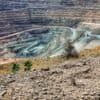
Few roles in the mining and resource industries carry as much responsibility and influence as the FIFO Safety Advisor and Emergency Response Officer (ERO). These professionals are the guardians of every site’s wellbeing, ensuring that thousands of workers return home safely after every shift.
In 2026, safety remains the top priority across mining, oil and gas, and construction projects in Australia. As operations expand deeper into remote regions and production schedules intensify, the demand for qualified safety and emergency specialists continues to rise. For those with a strong background in workplace health, firefighting, or paramedicine, this career offers high pay, exceptional job security, and a direct sense of purpose.
This guide explains everything you need to know about FIFO safety and emergency response careers — from daily duties and qualifications to career paths, rosters, and real-world insights into life on site, and how they fit into a broader FIFO career plan.
2. The Role of a Safety Advisor and Emergency Response Officer
At a remote mine or construction site, the Safety Advisor and Emergency Response Officer work hand in hand. One focuses on prevention, the other on response, and together they form the backbone of a site’s risk management system.
FIFO Safety Advisor
A Safety Advisor ensures that site operations comply with state regulations, company standards, and best-practice safety systems. They conduct audits, risk assessments, and incident investigations, while training crews to maintain a proactive safety culture and align with the site’s work health and safety (WHS) framework.
Emergency Response Officer (ERO)
The ERO is trained to respond instantly to critical incidents such as fires, injuries, or chemical spills. They maintain site emergency plans, lead rescue teams, and provide first-response medical support until further help arrives. On smaller sites, one person may hold both responsibilities, combining proactive safety work with frontline emergency response.
3. Key Responsibilities
Safety Advisor
- Conducting workplace inspections and hazard assessments
- Managing risk registers and incident reports
- Delivering toolbox meetings and safety inductions
- Developing and enforcing safety procedures and JHAs
- Assisting supervisors in maintaining compliance with site legislation
- Leading investigations after incidents or near misses (often using ICAM or similar methodologies)
Emergency Response Officer
- Leading emergency drills and response simulations
- Providing first aid, trauma care, and coordination with medical teams
- Maintaining firefighting and rescue equipment
- Responding to mine fires, vehicle rollovers, and hazardous materials incidents
- Supporting evacuation and crisis coordination
- Training crews in first response, confined space, and rescue procedures
4. Industries and Companies Hiring
Safety and emergency roles are present across every major industrial sector that uses FIFO or DIDO workforces.
Mining and Resources
- BHP, Rio Tinto, Fortescue, Roy Hill, Mineral Resources, Northern Star
Oil and Gas
Construction and Infrastructure
- CPB Contractors, Thiess, John Holland, Monadelphous
Emergency and Training Providers
- Parabellum International, ERGT Australia, Falck, Fire & Safety Australia
Many sites in Western Australia, Queensland, and the Northern Territory operate 24 hours a day, requiring permanent emergency response coverage — creating stable long-term FIFO demand.
5. Qualifications and Training
Mandatory
- Certificate IV in Work Health and Safety (BSB41419)
- Certificate III in Mines Emergency Response and Rescue (PUASAR) or equivalent
- Senior First Aid and CPR certification
- Advanced Firefighting and Breathing Apparatus Training
- Working at Heights and Confined Space Entry (commonly bundled with other FIFO tickets and licences)
- White Card (Construction Induction)
Highly Regarded
- Diploma of Work Health and Safety
- Cert IV in Training and Assessment (TAE40122)
- Pre-hospital care qualifications (paramedic or nurse background)
- Hazardous materials and road crash rescue training
- Leadership and risk management qualifications
Employers value practical experience as much as formal credentials. Many Safety Advisors and EROs come from trade, paramedic, firefighting, or remote healthcare backgrounds before moving into safety management.
6. Roster Types and Work Conditions
Most FIFO safety and emergency professionals work rosters aligned with operations and maintenance schedules. Typical patterns include:
- 8 days on, 6 days off (standard for safety teams)
- 14 days on, 7 days off (common for remote mining sites)
- 2 weeks on, 2 weeks off (for major oil and gas projects and offshore operations)
Camp facilities are modern and designed for comfort, with private ensuites, gyms, swimming pools, and recreational spaces. Safety personnel often work extended shifts but have clear downtime for exercise, social activities, and professional development between rosters.
7. Pay and Benefits
| Role | Typical Annual Salary (AUD) |
|---|---|
| Junior Safety Advisor | 120,000 – 150,000 |
| Experienced Safety Advisor | 150,000 – 190,000 |
| Emergency Response Officer | 140,000 – 200,000 |
| Senior ERT Coordinator / HSE Superintendent | 200,000 – 260,000 |
Benefits
- Full travel, meals, and accommodation covered
- Paid professional development and refresher training
- Safety and performance-based annual bonuses
- Insurance coverage and health support services, including mental health programs on many sites
- Clear progression into HSE leadership, training, or specialist emergency management roles
These figures often sit alongside similar salary ranges for other specialist FIFO roles such as electricians, diesel fitters, and senior supervisors — but with a much stronger focus on leadership and compliance.
8. Typical Day on Site
A day for a FIFO Safety Advisor or Emergency Response Officer starts before sunrise.
Morning: Conduct pre-start safety meetings and site inspections. Review high-risk work permits, check that crews are fit for duty, and assess weather or environmental hazards before work begins.
Midday: Manage reports, deliver training sessions, and perform rescue drills. EROs may run confined space exercises or equipment checks, while Safety Advisors review risk assessments or update compliance records and risk registers.
Afternoon: Conduct incident debriefs, review safety statistics, and liaise with supervisors. If an emergency occurs, the ERO leads the initial response and coordinates with medical teams or the Royal Flying Doctor Service.
Both roles balance proactive planning with the readiness to respond to anything from heat stress and machinery accidents to full-scale emergency evacuations.
9. Skills and Attributes Required
- Strong communication and leadership under pressure
- Sound knowledge of legislation (Work Health and Safety Act, Mines Safety and Inspection Act)
- Physical fitness and ability to perform rescue operations
- Calm decision-making during high-stress situations
- Passion for mentoring, safety culture, and continuous improvement
These roles demand resilience and professionalism. Workers must maintain strict discipline, as their actions directly affect the wellbeing of everyone on site — particularly on large, complex projects in regions like the Pilbara or Bowen Basin.
10. Career Progression
Safety Advisor Pathway:
Safety Officer → Safety Advisor → Senior Safety Advisor → HSE Coordinator → HSE Manager
Emergency Response Pathway:
Emergency Response Technician → ERO → ERT Coordinator → Emergency Services Superintendent → Health, Safety, and Emergency Manager
Both paths offer opportunities to move into corporate safety management, training, or emergency consultancy. Some professionals also transition into regulatory or government inspector roles, or into broader WHS and risk positions after completing higher-level WHS qualifications.
11. Challenges of FIFO Safety Work
- Long hours and unpredictable incidents
- High personal responsibility for site safety outcomes
- Remote and isolated work conditions
- Balancing safety enforcement with maintaining team morale
- Physical and mental fatigue from shift work and emergency callouts
However, the rewards are significant — both in salary and in the satisfaction of knowing your decisions protect lives every day.
12. Future Outlook
The outlook for safety and emergency response roles remains strong. As automation and electrification advance across the mining sector, the need for safety oversight increases, not decreases. New risks such as battery storage, hydrogen power systems, and remote-controlled equipment require skilled professionals who understand both traditional hazards and emerging technologies, particularly across renewables and critical minerals.
Across Western Australia, Queensland, and the Northern Territory, new projects in critical minerals and LNG are set to expand through 2026 and beyond. Companies are investing heavily in health and safety leadership, ensuring FIFO Safety Advisors and EROs will remain in high demand for years to come.
13. Final Thoughts
Working as a FIFO Safety Advisor or Emergency Response Officer means being part of the first and last line of defence in workplace protection. It is a career that blends leadership, technical skill, and courage in equal measure.
For those with the right mindset — disciplined, proactive, and passionate about protecting others — this is one of the most respected and well-paid paths in the FIFO world. Each day brings new challenges, but also the reward of knowing your expertise makes every shift safer and every worker more confident.
Whether you come from a firefighting background, paramedicine, trades, or safety management, this is a field where experience matters, leadership grows fast, and purpose drives every action — and it sits alongside some of the strongest long-term opportunities in the entire FIFO jobs market in Australia.