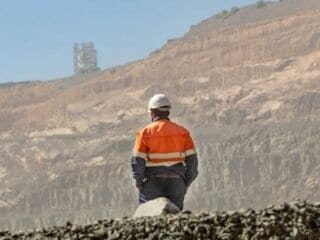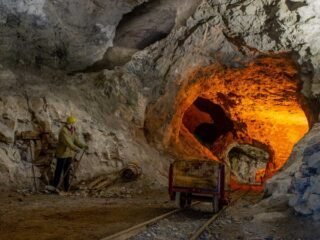
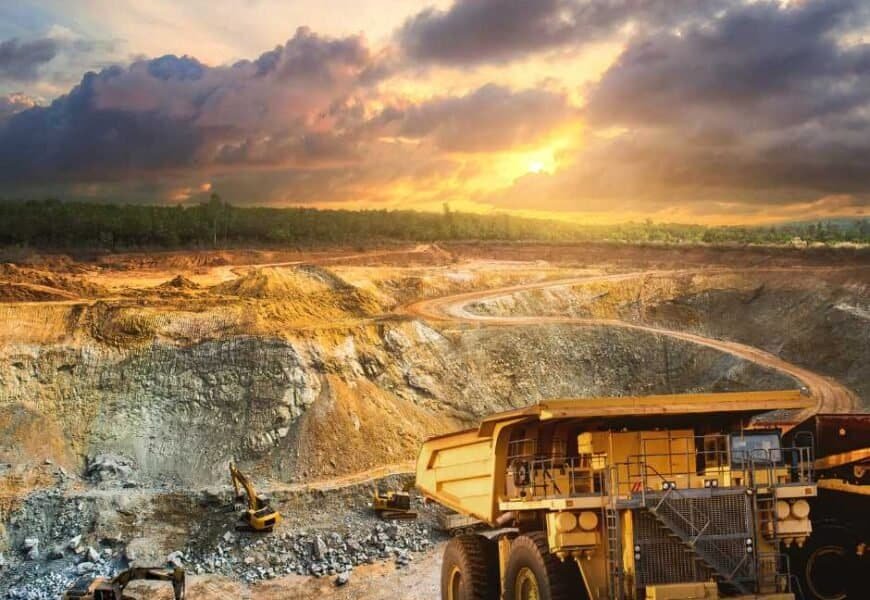
Kalgoorlie and the broader Goldfields region form one of Western Australia’s oldest and most productive mining frontiers. It’s a place where the past and future of mining meet — where century-old gold operations now stand alongside lithium, nickel, and rare earth projects feeding the global energy transition.
For FIFO workers, this region is a powerful alternative to the Pilbara. It offers the same high pay and long rosters but within a more connected regional community. Here, you can fly in from Perth, Adelaide, or even the east coast, spend two weeks on shift, and live in a town that actually feels like civilisation.
1. Geography and Access
The Goldfields stretch across a massive portion of inland Western Australia. At the heart of it all is Kalgoorlie–Boulder, about 600 kilometres east of Perth, sitting on the edge of the Great Western Woodlands. Surrounding towns like Kambalda, Leonora, Laverton, and Norseman act as staging points for smaller mining and exploration camps.
How you get there:
Most FIFO workers fly into Kalgoorlie–Boulder Airport (KGI), which handles several commercial and charter flights daily from Perth and other WA regional centres. For remote sites, companies run small charter planes or ground transport from Kalgoorlie to site. DIDO (drive-in drive-out) remains common for local residents or workers commuting from nearby towns.
The highway network is extensive but remote. Expect long travel times, limited mobile coverage outside towns, and strong safety requirements for all light-vehicle journeys.
2. Industry Landscape and Regional Economy
Mining here isn’t just about gold anymore. While Kalgoorlie remains famous for the Super Pit and underground operations like Mount Charlotte, the modern Goldfields economy is diverse.
Gold Mining:
This is still the region’s backbone. Major companies operate both open pit and underground mines — producing millions of ounces each year. Mines such as Fimiston, Kanowna Belle, and Kundana support hundreds of FIFO and DIDO roles for operators, electricians, and fitters.
Nickel and Lithium:
The Goldfields have evolved into a battery metals hub. The Kambalda Nickel Concentrator, Mount Marion Lithium Mine, and new processing facilities near Kalgoorlie South are part of Australia’s critical minerals supply chain. These projects drive demand for process technicians, control engineers, and mechanical maintainers.
Processing and Smelting:
The Kalgoorlie Nickel Smelter and other refining infrastructure employ tradespeople year-round. Shutdowns and plant upgrades keep riggers, boilermakers, and electricians in constant demand.
Exploration and Construction:
Dozens of exploration projects are underway across Leonora, Laverton, and Norseman. Camps are smaller and more remote, meaning strong demand for operators, camp staff, and logistics support.
3. Types of FIFO Jobs Available
The Goldfields employ workers across every stage of the mining lifecycle — from pit to port to processing.
Mining Operations:
If you work in production, this region offers every major role.
- Haul truck, dozer, and loader operators for open pits.
- Underground bogger and jumbo operators for deep mining.
- Blast crews, nippers, and shotfirers for development work.
- Process plant operators managing crushers, mills, and flotation systems.
Maintenance and Engineering Trades:
The lifeblood of every site is its maintenance crew.
- Mechanical fitters, heavy diesel mechanics, and auto electricians.
- Electricians and instrumentation technicians handling complex control systems.
- Boilermakers, fabricators, and welders for repair and upgrade work.
- Planners, schedulers, and shutdown coordinators managing outages.
Construction and Project Work:
As older plants expand and new ones come online, civil and structural trades are in steady rotation.
- Riggers, scaffolders, crane operators, and SMP trades.
- Concreters, steel fixers, and carpenters for infrastructure upgrades.
- Project engineers and QA officers for compliance and handover.
Support and Village Roles:
Thousands of workers rely on service crews to keep operations running smoothly.
- Camp utility staff, kitchenhands, cleaners, and laundry workers.
- Bus drivers, freight handlers, and storepersons.
- Site administrators, payroll officers, and HSE support staff.
Typical Employers:
Northern Star Resources, Evolution Mining, BHP Nickel West, Gold Fields Australia, Byrnecut, Barminco, Thiess, Downer, and Programmed Skilled Workforce.
4. Rosters, Pay, and Conditions
Rosters in the Goldfields vary between mining, maintenance, and project sectors, but all share one constant: balance between productivity and recovery.
Common Rosters:
- 8 days on / 6 off for ongoing plant and mining operations.
- 2 weeks on / 2 off for larger FIFO projects.
- 7 days on / 7 off for DIDO or short-haul rosters from Kalgoorlie.
- 3 weeks on / 1 off for exploration and remote infrastructure work.
Pay Levels (2026 averages):
- Utility and Hospitality Roles: $90,000 – $110,000
- Mobile Plant Operators: $130,000 – $170,000
- Mechanical or Electrical Trades: $140,000 – $180,000
- Riggers, Scaffolders, and Crane Operators: $130,000 – $175,000
- HSE, Supervisors, or Planners: $160,000 – $210,000
- Engineers and Specialists: $200,000 – $260,000+
Conditions to Expect:
Goldfields heat is dry and intense, regularly over 40°C in summer. Dust and isolation are constants, and some older camps lack the luxuries found in newer Pilbara facilities. However, the shorter flight times and more stable rosters often make up for the harsher conditions.
5. Training and Qualifications
Employers expect full site readiness before mobilisation. Workers who come prepared with current tickets are almost always prioritised.
Core Requirements:
- White Card (Construction Induction)
- Standard 11 or Mining Induction equivalent
- Working Safely at Heights
- Confined Space Entry
- Gas Test Atmospheres (MSMWHS217)
- High Risk Work Licence for EWP, rigging, dogging, or cranes
- CPR and First Aid
Highly Valued Extras:
- Underground mining certification (for relevant roles)
- Hazardous Areas Electrical competency
- Process Plant Operations Certificate III
- Heavy Rigid (HR) licence for transport and civil jobs
- Leadership and Safety Training (for supervisors)
Local Training Providers:
Central Regional TAFE Kalgoorlie Campus, Site Skills Training WA, and private RTOs specialising in mining safety courses.
6. Life in the Goldfields
FIFO life here has its own flavour. Unlike many remote outposts, Kalgoorlie–Boulder is a real town with pubs, restaurants, schools, and sports clubs. Workers can actually have a weekend off and catch a footy match or head out to Lake Douglas for some fishing.
Camp Life:
Most FIFO workers stay in purpose-built villages near mine sites. Accommodation is usually private rooms with air-conditioning, ensuite bathrooms, gyms, and dining facilities. Food quality has improved significantly, and most camps now feature fitness programs and recreation nights to reduce fatigue.
Town Life:
Those who live permanently in Kalgoorlie enjoy a close-knit community. There are shopping centres, hospitals, schools, and cafes. Many FIFO families choose to settle here to reduce travel fatigue.
Lifestyle Considerations:
Life is quieter than the coast, but it’s practical. Workers save more, commute less, and have easy access to city comforts without the crowding or chaos.
7. Challenges and Realities
The Goldfields offer stability and pay, but workers should understand the lifestyle trade-offs.
- Heat and Dust: Equipment reliability and worker hydration are major challenges.
- Isolation: Smaller camps can feel cut off; mental health support is essential.
- Market Volatility: Gold and nickel prices can influence project lifespans.
- Housing Costs: During boom periods, rents in Kalgoorlie can climb sharply.
Employers now provide stronger wellbeing programs, counselling services, and flexible rosters to offset these pressures.
8. The Future of the Goldfields (2026–2030)
The region is shifting from a gold-dominated economy toward a diversified energy-minerals hub.
- Lithium and Nickel Expansion: Projects around Kambalda and Norseman will drive new construction and maintenance roles.
- Critical Minerals Processing: Kalgoorlie’s emerging battery and rare-earth facilities will create demand for electrical and instrumentation talent.
- Automation and Digitalisation: Remote monitoring, predictive maintenance, and drone inspection roles are increasing.
- Decarbonisation Projects: Renewable microgrids, waste-heat recovery, and hybrid power systems will add engineering and construction jobs.
This evolution ensures that FIFO demand in the Goldfields will remain strong well beyond 2030.
9. Conclusion: Where the Old Gold Rush Meets the New Energy Age
Kalgoorlie and the Goldfields are not just relics of mining history — they are the blueprint for how Australian resource towns evolve. The region’s balance between legacy infrastructure and cutting-edge technology makes it ideal for workers seeking stability and progression.
You can drive through the ghost towns of the early 1900s and still end your shift inside a fully automated processing plant powered by renewables. That blend of heritage and innovation is what makes the Goldfields unique.
For electricians wiring a new lithium plant, fitters keeping an ageing crusher alive, or camp managers running multi-site crews, this region offers steady, meaningful work in an area that has defined Australian mining for over a century — and will continue to do so for decades to come.