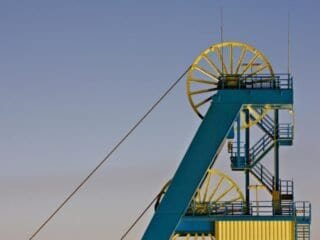
Every FIFO worker has a story about heights. The climb up the plant gantry during pre-start checks, the narrow scaffold walk around a crusher, or that one windy afternoon when the harness saved a life.
The truth is simple: gravity never forgives mistakes. The Working at Heights course exists to make sure you never become one.
This qualification is more than a legal requirement. It is your proof that you can control risk, respect your limits, and operate confidently where a single lapse could cost you everything.
From iron ore sites in the Pilbara to coal plants in Moranbah, Working at Heights is one of the core safety tickets every FIFO worker must have before stepping onto elevated structures. It is the difference between being restricted to ground-level work and being trusted to handle complex, high-paying jobs above it.
1. What the Working at Heights Course Is
The RIIWHS204E Work Safely at Heights course is a nationally recognised unit under the Australian Qualifications Framework. It sets the minimum safety standard for anyone performing tasks where a person could fall from one level to another.
Under Australian law, that risk begins at two metres — and on most FIFO sites, that means almost every maintenance platform, conveyor, scaffold, or tower qualifies.
The course teaches workers how to plan jobs at height, inspect and use protective equipment, manage risks, and follow the strict safety systems that mining and construction depend on.
Whether you are a trades assistant or a supervisor, this course is the baseline qualification for safe, compliant work above ground.
2. Why FIFO Workers Need It
FIFO life means you will work in environments designed vertically: elevated crushers, massive tanks, multi-level scaffolds, and kilometres of conveyor systems. These are routine, but they are also risky.
Companies cannot legally allow you to access or even walk through high-risk zones without valid Working at Heights training. Beyond the legal side, it is also a sign of professionalism.
Holding this qualification proves you can:
- Recognise and control height-related hazards before they become incidents
- Use safety harnesses, lanyards, anchor points, and inertia reels correctly
- Communicate effectively during lifts, rescues, or shutdown maintenance
- Contribute to safety culture instead of relying on others to look out for you
Workers without this qualification are usually limited to ground-based duties. Workers with it are eligible for more jobs, higher pay rates, and faster mobilisation.
3. What the Course Actually Teaches You
This is not a classroom lecture. It is a practical day that puts you on real platforms, ropes, and rescue gear. Trainers focus on muscle memory and risk awareness — not theory for the sake of it.
You will learn how to:
- Identify height-related hazards in real work situations
- Plan safe access routes and control points
- Conduct pre-start inspections on all safety equipment
- Fit and use harnesses, lanyards, and connection systems
- Understand anchor types: temporary, fixed, and static lines
- Work within fall restraint or fall arrest systems
- Set up exclusion zones to protect others working below
- Manage emergency responses, including self-rescue procedures
Expect hands-on training: connecting to lifelines, performing controlled descents, and simulating a rescue scenario under instructor supervision.
By the end of the day, you will know how to protect yourself and everyone around you.
4. Course Duration, Cost, and Certification
The Working at Heights course is short but intense.
Duration: One full day, typically six to eight hours
Cost: Between two hundred and three hundred and fifty dollars
Delivery:
- Face-to-face practical training with theory components
- Blended delivery (theory online, practical in person)
Assessment: - Written test covering WHS law and risk control
- Practical demonstration using real safety gear
Upon successful completion, you will receive a Statement of Attainment for RIIWHS204E Work Safely at Heights, recognised nationally.
Many RTOs also issue a wallet-sized verification card, which should always travel with you — especially if you fly to site.
5. The Best Training Providers in Australia
You can complete the course anywhere in Australia, but FIFO workers typically train through RTOs with strong mining partnerships and realistic practice environments.
Leading RTOs Include:
- Height Safety Engineers – operates training centres in NSW, QLD, and WA, with advanced simulation towers and fall arrest systems.
- Evolve Training – WA-based provider specialising in resource-sector readiness for FIFO staff.
- TAFE Queensland – government-accredited, with multiple campus locations and strong industry alignment.
- Major Training Group – Queensland-based RTO offering combined Working at Heights and Confined Space Entry courses.
- Simsafe Training – trusted by contractors for shutdown and maintenance safety programs in WA and QLD.
Always confirm that the RTO lists RIIWHS204E on the Statement of Attainment and not an older version such as RIIWHS204D. Outdated course codes are often rejected at mobilisation.
6. Where FIFO Workers Commonly Train
Training hubs are typically located near major fly-out cities. Completing your course at one of these locations ensures faster mobilisation and smoother compliance checks.
Most common training hubs:
- Perth: for WA mining and oil operations (Pilbara, Karratha, Port Hedland)
- Brisbane and Mackay: for Queensland coal and gas projects
- Darwin: for NT resource and construction contracts
- Adelaide: for Olympic Dam and South Australian infrastructure sites
Many employers prefer workers who complete training in-state since local RTOs align their content with regional safety regulations.
7. How Long It Lasts
While the Statement of Attainment does not officially expire, most mining companies and labour hire firms require a refresher every two years.
Refresher courses take half a day and focus on:
- Practical rescue drills
- Updated safety legislation
- Equipment inspection refreshers
- Revalidating harness and anchor system use
Keeping your ticket up to date ensures you remain eligible for work across multiple sites without delay.
8. What to Bring and What to Expect
Be ready to move and participate actively.
Bring:
- Photo ID
- Steel-cap boots
- Long-sleeve shirt and pants
- Water bottle and gloves if preferred
Expect:
- Physical participation on training towers
- Harness fitting and movement drills
- Risk assessment discussions
- Practical tests under supervision
You will be evaluated on how well you apply procedures, use gear safely, and follow communication standards. Trainers will not just pass you for showing up; they assess your competence the same way a site supervisor would.
9. The Jobs That Require It
The Working at Heights ticket is essential for a wide range of FIFO and trade-based positions. These include:
- Boilermaker
- Rigger or Scaffolder
- Mechanical Fitter
- Electrician or Instrumentation Technician
- Rope Access or IRATA Technician
- Trades Assistant on shutdowns
- Site Maintenance Crew Member
- Tower and Communication Technician
It is also required for anyone supervising or inspecting elevated work. Workers holding this certificate alongside Confined Space Entry and Gas Test Atmospheres are considered fully site-ready.
10. How It Shapes Your FIFO Career
This qualification does more than make you eligible for work — it changes how employers view you.
Recruiters know that workers who have completed Working at Heights training have discipline, awareness, and respect for procedure. These are traits that lead to longer contracts and leadership opportunities.
Many FIFO workers use this qualification as a stepping stone toward:
- Rescue and Emergency Response Teams
- Permit Officer or Safety Coordinator Roles
- Advanced Rope Access Certification (IRATA Level 1)
- Supervisor or Leading Hand Positions
In an industry built on trust and teamwork, being known as “the safe worker” is one of the fastest ways to build a solid reputation.
11. Pro Tips from Experienced FIFO Workers
- Check your harness before every use. A worn stitch or damaged buckle can mean the difference between a close call and a tragedy.
- Keep digital copies of your certificates. Many FIFO coordinators require proof before you even board the charter flight.
- Avoid cheap, non-accredited providers. Some issue certificates that won’t pass verification during site audits.
- Pair your training. Completing Working at Heights and Confined Space Entry on the same day saves money and meets most site requirements.
- Treat every climb seriously. Even a short ladder can cause life-changing injuries. Habits formed in training protect you for life.
Conclusion: The Ticket That Keeps You Safe and Employable
Working at Heights training is not just another certificate — it’s a commitment to survival, professionalism, and respect for the dangers of your environment.
Every FIFO worker who has spent time on elevated structures knows how quickly one mistake can change everything. This course gives you the knowledge and reflexes to make sure that moment never comes.
It opens the gate to more work, better pay, and safer conditions. Most importantly, it ensures you go home after every swing in one piece.
If you plan to work above ground, this is not optional. It is essential.