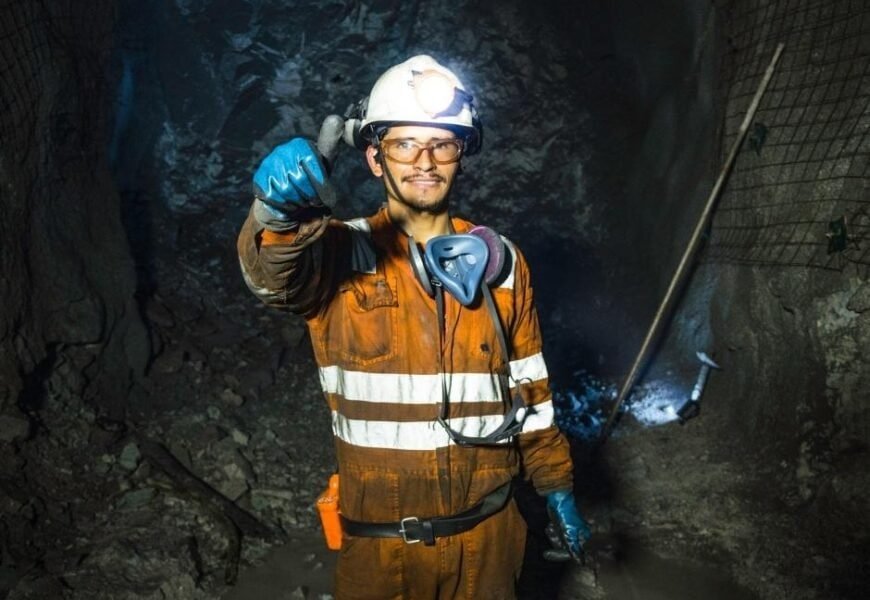
Some FIFO worksites expose employees to areas with low oxygen, toxic gases, or heavy smoke. When entering these conditions, there is no room for mistakes. The MSMWHS216 Operate Breathing Apparatus course teaches you how to stay alive and functional when the air around you is unsafe.
This qualification prepares FIFO workers for confined spaces, hazardous atmospheres, and emergency response situations. It is widely required across mining, oil, and gas projects in Australia and recognised as a core skill for safety-critical roles.
1. What the MSMWHS216 Course Is
The Operate Breathing Apparatus course is a nationally accredited unit within the MSM (Manufacturing Training Package). It covers the use, inspection, and maintenance of self-contained breathing apparatus (SCBA) and air-line systems used on mine sites, refineries, and industrial facilities.
The training focuses on practical knowledge and hands-on drills that simulate real incidents such as gas leaks or oxygen-deficient environments.
2. Why FIFO Workers Need This Qualification
Many FIFO worksites involve confined or hazardous spaces where the air quality cannot be guaranteed. Workers may be exposed to gas, dust, fumes, or heat stress during maintenance or emergency response activities.
This course is essential for:
- Confined space entrants and observers
- Emergency response and fire team members
- Shutdown and maintenance workers
- Oil, gas, and petrochemical technicians
- Safety officers and supervisors
Without a valid MSMWHS216 certificate, you cannot legally participate in rescue operations or enter environments requiring breathing apparatus use.
3. What You Learn in the Course
This course combines theory and practical training under strict supervision. You will learn how to assess hazards, prepare and wear breathing apparatus equipment, and manage emergencies safely.
Training includes:
- Identifying atmospheric risks and gas types
- Understanding SCBA and air-line systems
- Conducting pre-use inspections and testing
- Donning and wearing breathing apparatus correctly
- Managing air consumption and communication
- Responding to simulated emergencies
- Cleaning, maintaining, and storing breathing apparatus
Each participant must demonstrate competence in a live simulation while wearing full equipment.
4. Duration, Cost, and Assessment
Duration:
Typically one full day of theory and hands-on practical exercises.
Cost:
Between four hundred and six hundred dollars, depending on location and provider.
Assessment:
- Written tests on WHS requirements and breathing apparatus principles
- Practical tasks involving equipment checks and simulated rescues
Successful participants receive a Statement of Attainment for MSMWHS216 Operate Breathing Apparatus. Certificates are valid for five years.
5. Leading Training Providers
FIFO workers can complete this qualification through multiple registered training organisations across Australia.
Top-rated providers include:
- TAFE Queensland (Brisbane, Gladstone, Mackay)
- Simsafe Training (Perth, Karratha, Mackay)
- Major Training Group (Queensland and NSW)
- Evolve Training (Perth and Darwin)
- CQUniversity Training Solutions (Rockhampton and Gladstone)
Most providers offer this course alongside Confined Space Entry, Gas Test Atmospheres, and Fire Response Training, allowing workers to complete several qualifications at once.
6. Real-World FIFO Applications
The skills gained in this course apply to numerous site situations, including:
- Entering confined tanks, pits, or processing units
- Conducting gas-leak or fire containment operations
- Supporting emergency evacuations in smoke-filled areas
- Inspecting underground utilities or ventilation shafts
- Assisting with chemical or hydrocarbon spill containment
In every case, proper use of breathing apparatus equipment saves lives and prevents long-term health damage from gas exposure.
7. What to Bring and What to Expect
What to bring:
- Photo identification
- Long-sleeve workwear and steel-cap boots
- Gloves and safety glasses
What to expect:
- Instruction from certified emergency response trainers
- Full SCBA equipment use during drills
- Realistic simulation environments
- Clear guidance on inspection and maintenance routines
8. Career Benefits and Next Steps
Holding an MSMWHS216 qualification gives FIFO workers a strong advantage in safety and maintenance positions. It demonstrates readiness for emergency response and advanced confined-space tasks.
After this course, you can progress into:
- RIIWHS202E Confined Space Entry
- MSMWHS217 Gas Test Atmospheres
- Emergency Response Team Leader training
- Fire and Rescue Operations Certificate
- S123 or G2 Supervisory Safety Courses
Adding these credentials makes you a well-rounded and highly employable safety professional within the FIFO industry.
9. Safety Culture and Legal Compliance
Australian mining law places responsibility for safe air quality on both employers and workers. Completing the Operate Breathing Apparatus course ensures that you are not only compliant but capable of acting during emergencies.
Supervisors rely on trained personnel to manage incidents quickly and safely. This training provides the confidence and technical skill to do that under pressure.
Conclusion: Be the Person Who Knows What to Do When Air Runs Out
The MSMWHS216 Operate Breathing Apparatus course teaches more than how to use equipment. It builds calm, prepared, and capable workers who can function when others cannot breathe.
If you work in mining, gas, or industrial maintenance, this training is essential for your safety and your team’s survival. With this qualification, you are trusted to take control in the moments that matter most.