Joining Fortescue Metals Group (FMG) in a FIFO role means stepping into one of Australia’s most dynamic mining operations. From its iron-ore hubs in the Pilbara to evolving green-energy ventures, FMG combines rapid growth with a strong workforce demand. This guide covers everything you need to know about FIFO work with FMG in 2026—what makes it good, what to watch out for, the types of jobs, training needed, pay, rosters, and how to position yourself successfully.
1. Company Snapshot & Operational Overview
FMG is a major iron-ore producer in Western Australia. Its Pilbara operations include the Chichester Hub (e.g., Christmas Creek, Cloudbreak), the Solomon Hub (Firetail, Queens Valley), and the Western Hub (Eliwana, etc.). These mines, their processing plants, haul roads, rail lines, and export terminals create a large and complex operational footprint.
FMG is also increasingly investing in new technologies, including magnetite operations (for example at Iron Bridge), automation, and energy-transition initiatives. This means the company is both a traditional mining employer and an emerging tech/mining hybrid.
Strengths of working for FMG:
- Growing employer with many FIFO job openings across trades, operations, maintenance and logistics.
- Modern project portfolio (new mines & plants) means fresh roles and fewer legacy jobs.
- Culture emphasises training, growth and workforce development, which can benefit early-career workers.
- Opportunity to join emerging operations (e.g., Western Hub) with less “locked‐in” competition than some legacy mine sites.
Considerations / trade-offs:
- Rapid growth and change mean that roles may evolve quickly; the environment can be less predictable than very mature operations.
- Some sites may still be in earlier stages of village infrastructure or site logistics, meaning amenities or transport may be less refined.
- The remote location, travel, long shifts, and environmental conditions still apply strongly.
- With technology and green-energy pivots, some roles may require newer skill sets or adaptation to change.
2. Key Sites, Regions & Workplaces
FMG’s operations in WA spread across several hubs—knowing the main sites helps you understand location, travel and roster implications.
- Chichester Hub: Includes mines such as Christmas Creek and Cloudbreak. Known for steady production and fixed plant operations.
- Solomon Hub: Mines such as Firetail and Queens Valley. These sites often present large maintenance and expansion opportunities.
- Western Hub: Recent expansions like the Eliwana mine and infrastructure links. Great option for newer roles and less saturated candidature.
- Export & Logistics: Infrastructure including rail haulage, processing plants and port loading which support the mining operations and open supporting roles.
Each hub has slightly different logistics. For example, newer hubs may operate newer villages or travel arrangements; older hubs may have more mature support systems but higher competition for roles. Roster types and access travel also vary depending on distance and site infrastructure.
3. Job Categories & In-Demand Roles
FMG hires across many job types. Knowing which roles are in demand helps you target the right parts of your career.
Operations & Production
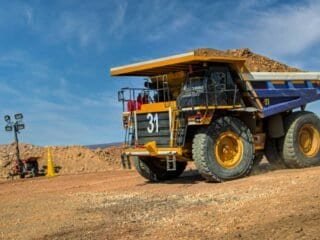
- Mobile Plant Operators: haul trucks, dozers, loaders, graders, water carts.
- Fixed Plant Operators: crushers, screens, conveyors, processing plants.
- Rail/Logistics Operators: haul road support, train loading, export terminal support.
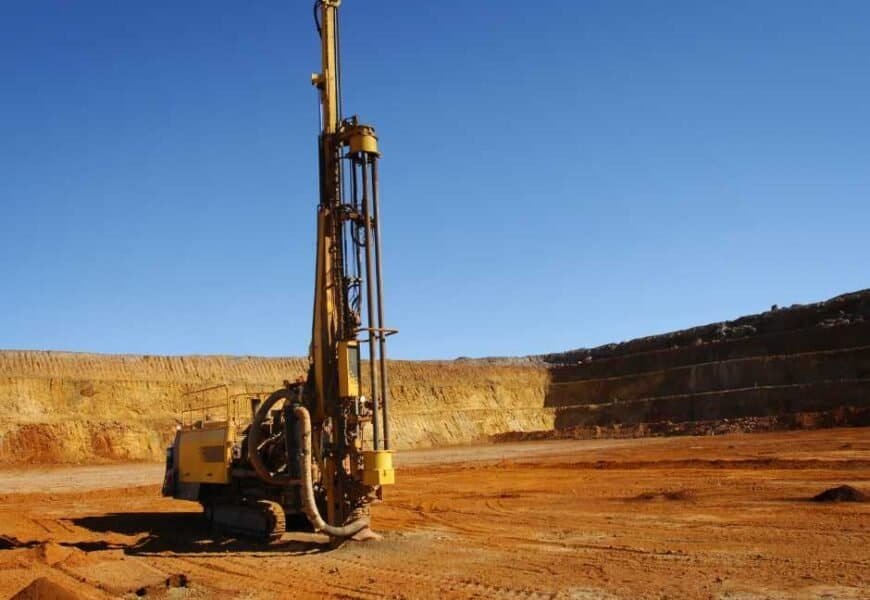
- Drillers, offsiders and blast crews in some hubs.
Trades, Maintenance & Technical
- Mechanical Fitters / Heavy Diesel Mechanics: Supporting large mobile fleets.
- Electricians & Instrumentation Technicians: Maintaining MCCs, automation systems, PLCs.
- Boilermakers / Welders: Fabrication tasks, chute repairs, structural maintenance.
- Riggers, Scaffolders, Crane Operators: Supporting shutdowns and upgrade projects.
- Reliability Technicians / Planners: Predictive maintenance, shutdown planning, asset management.
Support, Logistics & Other
- Camp utilities: kitchenhands, housekeeping, utility workers.
- Transport & haulage mechanics and drivers (especially with haul-road operations).
- Stores, procurement, site administration.
- HSE, training, environment officers.
- Emerging roles: automation support, data technicians, green-energy initiative roles.
Best roles to aim for: Tradespeople with multi-ticket capabilities (e.g., electrician + instrumentation + high risk licence) or experience in mobile plant/haulage mechanics, because these are in high demand and often pay premium.
Roles to be cautious about: Entry-level support roles can be plentiful but may offer less skill development, lower pay growth and require longer rosters or less desirable sites.
4. Rosters, Pay & Conditions
Typical Rosters
- 2 weeks on / 1 week off is common in many production/trade roles at FMG.
- 8 days on / 6 days off is used in fixed-plant or maintenance operations.
- 3 weeks on / 1 week off for deep remote or project-based scopes.
- Some DIDO or town-based support roles may use 7 days on / 7 days off or Monday–Friday patterns.
Indicative Pay Ranges (2026)
- Support / utility roles: approximately $85,000–$105,000.
- Mobile plant operators: roughly $130,000–$160,000 (depending on roster, machine size and experience).
- Fitters / Electricians / Instrumentation: around $140,000–$180,000.
- Riggers / Scaffolders / Crane operators: roughly $130,000–$175,000.
- Supervisors / Planners / HSE professionals: around $160,000–$210,000.
- Engineers / Specialist technical roles: could exceed $190,000+ depending on role and roster.
Conditions to Know
- Shifts often run 10-12 hours; the environment includes heavy heat, dust and remote travel.
- Accommodation villages generally provide good facilities: private rooms, air-conditioning, meals, gym and recreation. But newer/harder-to-access sites may still be working up to full village standards.
- Flights, transport, camp logistic support covered, but “dead time” (travel to/from site) may add extra fatigue.
- Because FMG is growth-oriented, some roles are linked to project ramps and may have intense periods.
5. Training, Certifications & Mobilisation Readiness
Core Requirements
- Construction Induction (White Card)
- Working Safely at Heights
- Confined Space Entry
- Gas Test Atmospheres
- High Risk Work Licence if required (EWP, Rigging, Crane, Dogging, Forklift)
- First Aid & CPR
- For trades: Trade Certificate in relevant discipline.
- For mobile plant: evidence of experience or tickets in mobile equipment.
Additional Differentiators
- Heavy Vehicle (HR/MC) licences for haul-road/transport roles.
- Instrumentation certification, automation exposure.
- Experience in mobile fleet or haul-road mechanics.
- Roster history in FIFO, safety track record, remote site experience.
- Environmental or green-energy related tickets or experience may become valuable.
Mobilisation Step-by-Step
- Secure your tickets and renew any expiring ones.
- Update resume focusing on relevant experience (roster, remote site, trade).
- Prepare medicals/drug screen in advance (many roles require this pre-application).
- Research the specific FMG site you apply to—know the hub, roster pattern, transport logistics.
- Demonstrate readiness for FIFO lifestyle (travel, shift length, remote conditions).
6. Living & Work Life at FMG Sites
Village Experience
- Modern camps: private rooms, ensuite bathrooms, air-conditioning—especially at newer sites.
- Good dining options, recreation centres, gyms, and social spaces.
- Some older or extremely remote sites may have more basic facilities, but these typically pay a premium or provide improved transport/rest allowances.
Daily Routine & Real-Life
- Early morning mobilise to site, safety briefing, shifts begin.
- Day involves tasks, inspections, breakdowns, maintenance, handovers.
- After shift, return to village, dinner, rest or recreation.
- Off roster: time to travel home, recover, engage in family or recreational life.
Lifestyle Considerations
- FIFO schedule means regular travel, meaning strong personal organisation and support from home base helps.
- Remote location and timing can impact sleep, family time, travel fatigue.
- Emerging operations with newer villages can reduce some negatives, but attention to health, fatigue and rest is still vital.
7. Pros & Cons of Working at FMG
Pros:
- High demand for roles means good chances of employment if you meet skill/ticket criteria.
- Growth mindset: newer mines and plants mean less legacy competition, more new-skill roles.
- Exposure to cutting-edge operations, especially in newer hubs and automation.
- Good pay, modern accommodation and structured rosters when applied to correct positions.
Cons:
- Some sites are still in growth phase—logistics, amenities or permanent infrastructure may lag.
- Rapid change means roles might shift or evolve faster than some workers prefer.
- Strong competition for the best roles; those without trade/ticket stack may find entry more difficult.
- Remote travel and FIFO lifestyle still require personal resilience, support and health management.
8. Career Progression & Long-Term Pathways
Typical Career Ladder
- Operator → Senior Operator → Team Lead → Control/Automation Support
- Trade (Fitter/Electrician) → Specialist Trade (Instrumentation/Automation) → Lead Hand/Supervisor → Maintenance Planner → Reliability Engineer
- Transport/Haulage Driver → Senior Driver → Fleet Supervisor/Coordinator
- HSE or Environment Officer → Senior Advisor → Site Superintendent
How to Advance Faster
- Acquire additional certifications and tickets (instrumentation, automation, leadership).
- Volunteer for shutdowns, new site builds or expanding hubs—they often offer faster exposure.
- Maintain excellent safety/attendance record.
- Network inside FMG or contractors to learn upcoming roles and internal postings.
- Develop digital skills (automation, data monitoring) as operations evolve.
9. Future Outlook for FMG (2026-2030)
- FMG’s Western Hub expansions (including Eliwana) will continue to open new roles.
- Transition toward magnetite (e.g., Iron Bridge) introduces higher-complexity process plant roles and electrical/instrumentation demand.
- Automation, digital operations, and energy-transition (renewables, hydrogen) mean more roles beyond traditional mining.
- Growth in haul-road transport and heavy-haul mechanics as logistics evolve.
- Workers joining now will benefit from “ramp-up” phase roles, often before full saturation occurs.
10. Final Thoughts
For tradespeople, operators, and support staff who meet the ticket, skill and fitness criteria, FMG offers very real pathway to a strong FIFO career. Because the company is expanding and evolving, the window to join and progress may be more accessible than in older, fully mature mining systems.
If you’re ready for the roster, the travel, the shift patterns and the remote lifestyle—and if you come prepared with your certifications and a mindset for growth—then FMG can be an excellent choice for both income and career development.