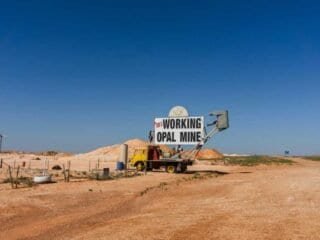
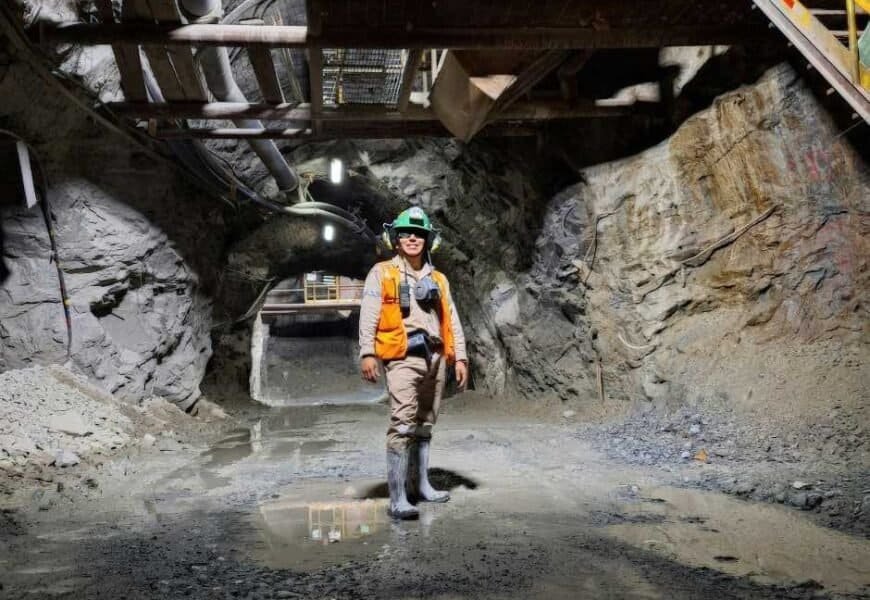
In Australia’s remote mines and energy hubs, comfort and safety rely on one critical system — water. From clean drinking supplies to waste treatment, the success of an entire operation depends on functioning plumbing infrastructure. FIFO Plumbers and Water Systems Technicians are responsible for ensuring that thousands of workers in the outback have safe water, working facilities, and compliant sanitation systems.
Unlike urban plumbers, FIFO tradespeople face challenges such as 45°C heat, remote logistics, and complex camp infrastructure. They maintain everything from high-pressure water pumps to full-scale sewage treatment plants. In 2026, as new mining towns, hydrogen hubs, and renewable projects expand across Western Australia, Queensland, and the Northern Territory, demand for licensed and experienced plumbers is at an all-time high.
This guide outlines everything you need to know — daily responsibilities, qualifications, salaries, work locations, and career advancement opportunities.
1. The Role of a FIFO Plumber and Water Systems Technician
FIFO Plumbers are the unsung heroes of camp life and site safety. They maintain the lifeline of clean water and sanitation for both residential and industrial operations.
Key Responsibilities
- Install and repair hot and cold water systems, waste lines, and venting networks.
- Maintain pressure systems, booster pumps, and valves.
- Service and test water treatment plants, filtration, and chlorination systems.
- Manage sewage and greywater plants, ensuring discharge meets environmental standards.
- Repair camp kitchen and laundry plumbing infrastructure.
- Conduct backflow prevention testing and maintain TMV systems.
- Install and maintain fire suppression, sprinkler, and emergency shower systems.
- Carry out leak detection, pipe tracing, and hydrostatic testing.
- Complete compliance logs, water sampling, and incident reports.
FIFO Plumbers not only fix problems — they safeguard hygiene, health, and environmental compliance for entire worksites.
2. Types of Sites and Work Environments
Each FIFO site presents different challenges and water infrastructure requirements.
| Site Type | Examples | Systems Maintained |
|---|---|---|
| Mining Villages and Camps | BHP, FMG, Rio Tinto | Potable water, sewage, drainage, HVAC-linked systems |
| Processing Plants | Glencore, Newmont, South32 | Industrial piping, cooling towers, acid-resistant drains |
| Oil, Gas, and LNG | INPEX, Santos, Shell | Pressurised water and gas piping, safety showers |
| Hydrogen and Renewable Energy Sites | Port Augusta Hydrogen Hub, Greenbushes Lithium Plant | Hydrogen cooling, greywater reuse, smart flow control |
| Infrastructure Projects | Defence and rail construction bases | Mobile waste systems, desalination units, storage tanks |
Camp populations can range from 200 to 3,000 people, meaning plumbers often maintain small-scale municipal systems, not just simple domestic networks.
3. Tools, Systems, and Equipment Used
Essential Tools and Equipment
- Pipe threading machines, cutters, benders, and soldering kits.
- Drain jetting machines and CCTV inspection systems.
- Pressure and vacuum testing kits.
- Submersible pumps, valves, and float switches.
- Welding and crimping equipment for copper and PEX piping.
- Backflow testing meters and TMV calibration tools.
- Water sampling kits and portable testing meters (pH, chlorine, turbidity).
Advanced Systems Maintained
- Reverse osmosis (RO) plants for potable water.
- Sewage treatment and greywater recycling systems.
- Fire suppression systems with pressurised water rings.
- Pump stations with telemetry and remote monitoring.
- Solar-heated water systems and hybrid energy pumps.
Modern FIFO plumbers must also be comfortable using SCADA interfaces for water management, IoT-based leak detection, and automated alarm systems for tank levels and filtration pressure.
4. Core Skills and Technical Competencies
Technical Skills
- Installation and maintenance of complex plumbing infrastructure.
- Diagnosing system faults using pressure, flow, and electronic testing.
- Understanding water chemistry, chlorination, and disinfection processes.
- Interpreting hydraulic schematics and architectural plumbing drawings.
- Managing water flow and pressure balance in large camp facilities.
- Maintenance of emergency eyewash and drenching systems.
Soft Skills
- Prioritising urgent repairs during breakdowns.
- Team collaboration with electricians, HVAC techs, and camp managers.
- Maintaining strict hygiene and environmental standards.
- Detailed reporting and documentation.
- Self-reliance and adaptability in isolated environments.
In 2026, employers increasingly prefer multi-skilled plumbers with mechanical aptitude and familiarity with automation systems.
5. Qualifications and Licences Required
Mandatory Qualifications
- Certificate III in Plumbing (CPC32420).
- Valid State or Territory Plumbing Licence.
- White Card (CPCWHS1001).
- Backflow Prevention and TMV Accreditation.
- Confined Space Entry (RIIWHS202E).
- Working Safely at Heights (RIIWHS204E).
- Pre-employment medical and drug testing.
Recommended Additions
- Certificate IV in Plumbing and Services (Operations, Water, or Supervision).
- Water Treatment and Waste Management Courses.
- High-Risk Work Licence (EWP).
- Forklift Licence (LF).
- Standard 11 (for QLD mining).
Advanced Career Training
- Diploma of Hydraulic Services Design.
- Asset Management and Facilities Operations Courses.
- Sustainability and Water Recycling Systems Training.
Dual-licensed trades (plumbing and HVAC or mechanical) are now the most competitive in the FIFO job market.
6. Key Locations for FIFO Plumbing Jobs in 2026
Western Australia
- Pilbara (Newman, Tom Price, Port Hedland): Large mining and camp operations with continuous maintenance cycles.
- Goldfields (Kalgoorlie, Kambalda): Potable water and sewage management for processing plants.
- Mid West and South West (Geraldton, Greenbushes): Renewable energy projects with complex water reuse systems.
Queensland
- Bowen Basin and Surat Basin: Extensive coal and gas camps requiring daily plumbing and water treatment services.
- Gladstone Region: LNG and port infrastructure needing industrial-grade water systems.
Northern Territory
- Darwin, Katherine, Tennant Creek: Growing defence and gas operations with potable and greywater challenges.
South Australia
- Olympic Dam and Whyalla: Copper and hydrogen projects expanding water treatment networks.
New South Wales and Victoria
- Hunter Valley and Broken Hill: Mining and construction with seasonal FIFO contracts.
- Geelong and Gippsland: Industrial maintenance and renewable plant development.
7. Salaries and Rosters (2026 Forecast)
| Role | Hourly Rate | Annual Range | Typical Roster |
|---|---|---|---|
| Apprentice / Assistant | $35–$45 | $85,000–$95,000 | 8:6 or 14:7 |
| Qualified Plumber | $55–$75 | $130,000–$160,000 | 2:1 |
| Senior Plumber / Supervisor | $80–$95 | $165,000–$190,000 | 2:1 or 4:2 |
| Water Systems Specialist | $90–$110 | $180,000–$210,000 | 2:1 |
| Facilities / Maintenance Manager | $115–$130 | $220,000–$250,000 | 4:2 |
Common Benefits:
- Flights, accommodation, and meals included.
- Tool and uniform allowances.
- Paid upskilling courses and licence renewals.
- Overtime and site-specific retention bonuses.
8. Major Employers and Contractors
Mining Operators: BHP, FMG, Rio Tinto, Glencore, Newmont.
Energy Companies: Woodside, Santos, INPEX.
Facilities Management: Sodexo, ESS, Compass, Programmed.
Construction and Maintenance Contractors: Downer, Thiess, Monadelphous, UGL.
Recruitment and Labour Hire: WorkPac, Hays Trades, CoreStaff, Chandler Macleod.
These employers operate under long-term service contracts covering both residential and industrial facilities, offering consistent employment for skilled plumbers.
9. Typical Day on a FIFO Site
A plumber’s day starts early, often around 5:30 am. After a pre-start meeting and safety briefing, tasks are assigned through digital work order systems.
Morning work may include inspecting water tanks, checking chlorination levels, and clearing blockages in sewage systems. Midday tasks could involve pump replacements, backflow testing, or responding to burst pipes or hot water failures.
Afternoons are spent completing documentation, logging water test results, and verifying that all systems comply with environmental standards. Emergency callouts can happen anytime, particularly during high-traffic periods like meal service or shift changes.
Every task affects worker safety and comfort — precision and reliability are non-negotiable.
10. Career Progression and Specialisation
Typical Pathways
- Stage 1 (Years 1–3): Apprentice / Trade Assistant gaining foundational plumbing skills.
- Stage 2 (Years 4–6): Qualified Plumber performing maintenance and installations.
- Stage 3 (Years 7–10): Senior Technician or Water Systems Specialist managing treatment systems.
- Stage 4 (Years 10–15): Plumbing Supervisor overseeing multi-site contracts.
- Stage 5 (15+ Years): Facilities Manager, Project Engineer, or Water Systems Consultant.
Specialisation Areas
- Wastewater Treatment and Recycling.
- Fire and Safety Systems Maintenance.
- Mechanical and HVAC Plumbing.
- Facilities Operations and Asset Management.
Supervisory roles often involve overseeing multi-discipline teams and reporting to asset management departments or government regulators.
11. Work Conditions and Lifestyle
Advantages
- Strong pay and ongoing demand in mining and energy sectors.
- Clear career advancement pathways.
- Diverse projects and daily tasks.
- Opportunity to work on advanced sustainability systems.
Challenges
- High heat, humidity, and isolation.
- Long rosters (typically 2:1) with limited personal time.
- Manual, physically demanding work.
- Responsibility for critical health and environmental systems.
Camps now offer modern facilities — gyms, recreation areas, and mental health support — making FIFO life more balanced and sustainable.
12. How to Start a FIFO Plumbing Career
- Enrol in Certificate III in Plumbing (CPC32420).
- Obtain your state licence and ARCtick if working with refrigeration.
- Complete White Card and safety inductions.
- Build local plumbing experience for 2–3 years.
- Get additional tickets (Heights, Confined Space, Backflow).
- Apply through camp management or maintenance contractors.
- Continue upskilling with water treatment and facilities management courses.
Employers look for technicians who are proactive, reliable, and capable of working autonomously under pressure.
13. The Future of FIFO Plumbing and Water Systems
Australia’s remote industries are shifting toward sustainability, automation, and digital monitoring. The plumbing trade is evolving to include smart flow meters, leak sensors, and IoT-based pump control systems.
Hydrogen production, lithium extraction, and renewable energy projects all require advanced water purification and wastewater systems — creating new opportunities for plumbers trained in modern control and environmental technologies.
As environmental regulations tighten, plumbers with knowledge of green infrastructure and greywater reuse will lead the next generation of site maintenance professionals.
14. Conclusion: A Vital Trade for Remote Australia’s Future
FIFO Plumbers and Water Systems Technicians are far more than maintenance workers — they are essential engineers of safety, hygiene, and sustainability. Every litre of water, every shower, every firefighting system depends on their skill and precision.
In 2026, the trade offers unmatched job security, a strong salary, and a sense of purpose rarely found in other professions. For those who enjoy solving practical problems and ensuring life runs smoothly in the toughest environments, plumbing is one of Australia’s most dependable and rewarding FIFO careers.
Next Steps:
- Certificate III in Plumbing (CPC32420)
- Advanced Water Treatment Operations Training
- Backflow Prevention and TMV Certification
- Facilities Management and Supervisory Training