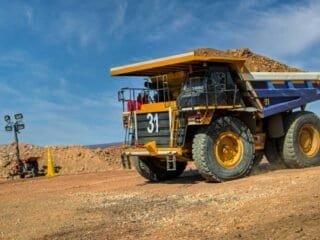
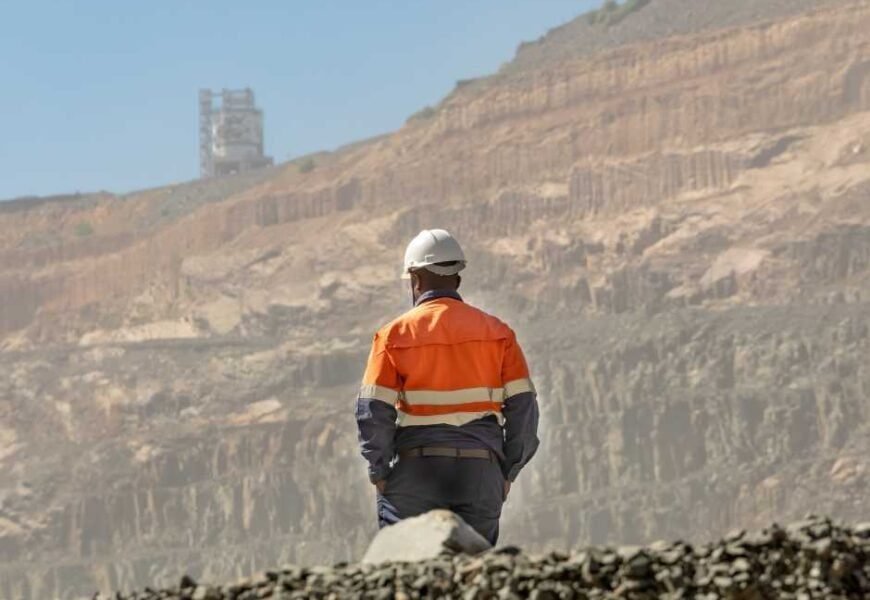
Tom Price and Paraburdoo sit in the inland Pilbara, surrounded by red ranges, spinifex plains, and some of the largest iron ore operations on earth. These are not fly-through camp dots on a map. They are true mining towns with schools, ovals, supermarkets, and a rhythm set by shift change, rail movements, and shutdown calendars. If Karratha and Port Hedland are the Pilbara’s export engines, Tom Price and Paraburdoo are the production heart that feeds them.
This guide gives you a ground-level view of how FIFO really works here in 2026. You will find how people get in and out, who hires, what work looks like on a twelve-hour day in forty-two degrees, how rosters and housing actually play out, and where the next five years of projects will create opportunity.
Where you are and how you get in
Tom Price and Paraburdoo sit on the southern shoulder of Karijini National Park. The towns are about 80 kilometres apart by sealed road. Terrain is hilly, with mesas and rugged gorges. Summer brings high heat and storm activity. Winter mornings can be cold.
Access is straightforward. Paraburdoo Airport is the primary FIFO gateway and is set up for large volumes of charter traffic. Most crews stage through Perth, with direct charters into Paraburdoo and bus transfers to Tom Price or mine villages. There is sealed highway access from the coast for heavy haul moves and contractor fleets. On major shutdowns, buses run constantly between airport, villages, workshops, and plant.
Insider note. At peak times flight slots are tight. Mobilisation windows are planned like a production schedule. Miss your slot and your whole crew can be late to pre-starts.
What actually drives employment here
Iron ore mining and processing is the core. These towns exist because Rio Tinto’s Hamersley Iron network is concentrated around them. The portfolio includes Tom Price, Paraburdoo and nearby satellite deposits, with ore crushing, screening, overland conveying, stockyard management, and train loading feeding the coastal terminals.
Beyond the pits, the region runs on the invisible systems. Rail maintenance for the heavy-haul network. Fixed plant reliability programs. Dewatering, power distribution, and communications. Village operations large enough to house small cities during turnarounds. Every one of those systems needs people.
Typical operators and contractors you will see on site
- Owner operator. Rio Tinto ore operations, fixed plant, rail, and loadout.
- Tier one and two contractors. Civils and SMP for brownfield upgrades, conveyor and stacker reclaimers, crusher refurbishments, bin and chute changes, and shutdown scopes.
- Services and camp specialists. Catering, cleaning, bussing, waste, water, and village maintenance.
- OEM and heavy equipment partners. Rebuild centres, field service for haul trucks, drills, loaders, dozers, autonomous retrofits, and condition monitoring.
Emerging layers are changing the work mix. Autonomous haulage and drilling are expanding. Control rooms in town and in Perth manage fleets and plant data. Renewable power, battery storage, and low-emissions diesel are pushing new projects on pit rims and village perimeters. Electrical and controls talent is in higher demand each quarter.
Roles that are always hiring
Production and mobile plant
- Haul truck, dozer, grader, loader, excavator operators.
- Ancillary equipment operators for water carts and service trucks.
- Pit technicians for dewatering and light field maintenance.
Fixed plant and rail
- Process plant operators for crushing and screening circuits.
- Mechanical fitters for crushers, conveyors, feeders, stackers, reclaimers.
- Electricians and instrumentation technicians for MCCs, VSDs, PLCs, radio telemetry, weighing and sampling.
- Boilermakers and welders for wear liners, chutes, and structural repairs.
- Rail track maintainers, signals and communications technicians, wagon and loco maintainers.
Projects and shutdowns
- Riggers, scaffolders, crane operators, EWP crews.
- SMP supervisors, QA inspectors, planners and schedulers.
- Civil plant operators, concreters, formwork carpenters for footings, culverts, and access roads.
Support and village operations
- Chefs, kitchenhands, utility workers, housekeeping.
- Bus drivers, storepersons, inventory controllers, freight and laydown coordinators.
- Village maintenance trades. HVAC, plumbing, electrical, grounds.
If you are multi-ticketed you move up the list quickly. Examples include electrician with instrumentation, fitter with dogging and rigging, or operator with verified loader and excavator time plus first response.
What a roster and a day really look like
Common rosters
- Two weeks on, two weeks off for production and plant maintenance.
- Eight days on, six days off for certain town-based and DIDO arrangements.
- Three weeks on, one week off for intense shutdown campaigns or brownfield packages.
A typical day
- 04:30 to 05:30. Breakfast, hydration, bus run to site, pre-start.
- 06:00. Toolbox, JSA, permits, isolations and handover.
- 06:30 to 12:00. First work block. In mobile plant that is cycle discipline. In fixed plant it is breakdown triage, inspections, and planned tasks against a permit wall.
- 12:00 to 12:30. Lunch and cool down. Heat is managed. Electrolytes and shade are non-negotiable.
- 12:30 to 17:30. Second work block. Clear holds, remove locks, test run, and document status for night shift.
- 18:00 to 19:00. Bus back to village, dinner, laundry, stretch, sleep.
Night shift mirrors this with additional lockout discipline. Summer adds lightning hold points and sudden weather stops. Good crews bank time by preparing tools and spares before isolations, not after.
Pay, allowances, and what changes it
Typical annual ranges in 2026
- Utility and village operations. 90,000 to 110,000.
- Mobile plant operators. 130,000 to 170,000 depending on fleet and roster.
- Fitters, electricians, instrument techs. 140,000 to 185,000 depending on site competency and call-out load.
- Riggers, scaffolders, crane. 130,000 to 175,000 with shutdown premiums.
- Supervisors, planners, safety advisors. 160,000 to 210,000.
- Engineers and specialist controls or reliability roles. 200,000 to 260,000 and above.
Variables that push you up or down
- Roster intensity. Three on, one off usually pays more than two on, two off.
- Ticket stack. HRWL categories, E&I quals, Rio Tinto systems training, confined space rescue.
- Shift penalties and shutdown premiums. Nightshift and short-notice campaigns pay well.
- Living arrangement. Residential packages include housing and locality allowances. FIFO packages include flights and LAFH components.
What tickets and training actually unlock jobs
Minimums that get you mobilised
- White Card.
- Working Safely at Heights and Confined Space Entry.
- Gas Test Atmospheres.
- First Aid and CPR.
- High Risk Work Licence in your stream. EWP, dogging, rigging, crane, forklift as appropriate.
- Relevant trade licence. Unrestricted electrical licence for WA if you are an electrician.
Pilbara-specific value add
- Fixed plant isolations and permit systems used in Hamersley Iron operations.
- Hazardous areas electrical competency where plant and fuel systems require it.
- Basic fire response for plant and village emergencies.
- Rio Tinto site inductions and area familiarisations.
- Rail corridor awareness for anyone near the heavy haul network.
For managers and supervisors
- Frontline safety leadership.
- Planning and scheduling systems.
- Incident investigation and bow-tie risk frameworks.
- Contractor management inside live brownfield plants.
Villages, town life, and the real differences between the two
Villages around Tom Price and Paraburdoo are modern. Private ensuites, air conditioning, decent food, hydrating snacks, ice machines, gyms, pools, and shaded outdoor seating are normal. The best villages have quiet wings for night shift and short walk times to bus bays.
Town living is a different rhythm. Both Tom Price and Paraburdoo are genuine communities with schools, ovals, pools, a couple of pubs and cafés, hardware stores, and service stations. Tom Price has more variety. Paraburdoo is quieter but well kept. People join footy clubs, mountain bike groups, and fishing trips on days off. Mount Nameless and Karijini gorges are the classic weekend reset.
Housing is tight on big projects. Company housing allocations go fast. Rents can be high during peak labour cycles. Families succeed here by planning school terms, sport seasons, and medical appointments around roster calendars.
Safety realities you need to be ready for
Heat and dehydration drive most incidents. Hydration plans are set at pre-start and monitored. Fatigue is the second big risk. Twelve hours with bus time on top wears people down by day twelve. Supervisors rotate tasks, add micro-breaks, and pull back when concentration drops.
Other Pilbara specifics
- Lightning and storm cells stop work quickly, especially at height or on cranes.
- Dust and silica exposure are controlled by spray systems, respirators, and permit limits.
- Wildlife, especially snakes, are a low-frequency risk handled by clean laydowns and good housekeeping.
- Road risk is real on shutdowns. Buses and light vehicles share long, dark highways at shift change. Journey management is strict.
The best crews win by doing simple things well. Clean isolations, lock box discipline, vacuum and clean before opening chutes, tag and test tools, document torque and tension, and talk through lifts before slinging the first load.
Practical tips that matter more than people think
- Arrive mobilisation-ready. Bring current tickets, photo ID, and PPE that fits. If you need prescription safety glasses, have two pairs.
- Own your hydration. Start two days before you fly. Your first two shifts set your whole swing.
- Make friends with planning and stores. Good relationships reduce wait time for spares and tools.
- Learn the plant language. Know your conveyor numbers, bin names, and isolation points by heart.
- Build a personal fatigue routine. Same meal window, same sleep window, even on days off if you can.
- Keep a running list of small wins and issues for handover. Night and day crews work better when the story is continuous.
What is changing between now and 2030
Brownfield life extension will dominate. Expect more conveyor and stacker reclaimer refurbishments, crusher and screen package upgrades, and control system standardisation across sites. Autonomous haulage and remote operations will keep growing, which changes the trade mix toward electrical, instrumentation, networks, and condition monitoring. Small solar and battery projects attached to villages and workshops will continue.
Rail debottlenecking and siding works will open sustained civil and SMP scopes. Drainage, culverts, road realignments, and dust suppression upgrades will stack work for civils and fixed plant teams. Water is a quiet driver. Dewatering and reuse systems will expand as pits deepen and environmental limits tighten.
For workers this means more stable work rather than a single boom. People with plant reliability experience, shutdown planning, and commissioning skills will be busy. Multi-skilled electricians and fitters who can work across brownfield upgrades and day-to-day maintenance will have choice.
Final word
Tom Price and Paraburdoo are where Pilbara mining becomes real life. The work is hot, dusty, and serious. The pay is strong and the skills you learn here last a career. If you want a FIFO pathway that is more than a bed in a camp, this is it. There are schools, junior sport, sunburnt ovals, and crew barbecues on change-out night. There are also twelve-hour shifts, lightning stoppages, and the satisfaction of watching a plant run clean after your team rebuilt it.
Bring the right tickets, the right attitude, and the discipline to handle long swings. Do that and these towns will pay you back with steady work, real mateship, and a front-row seat to the biggest iron ore machine in the world.