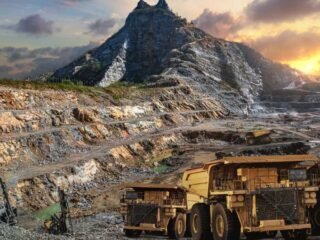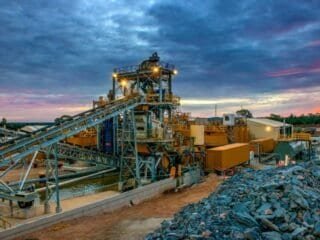
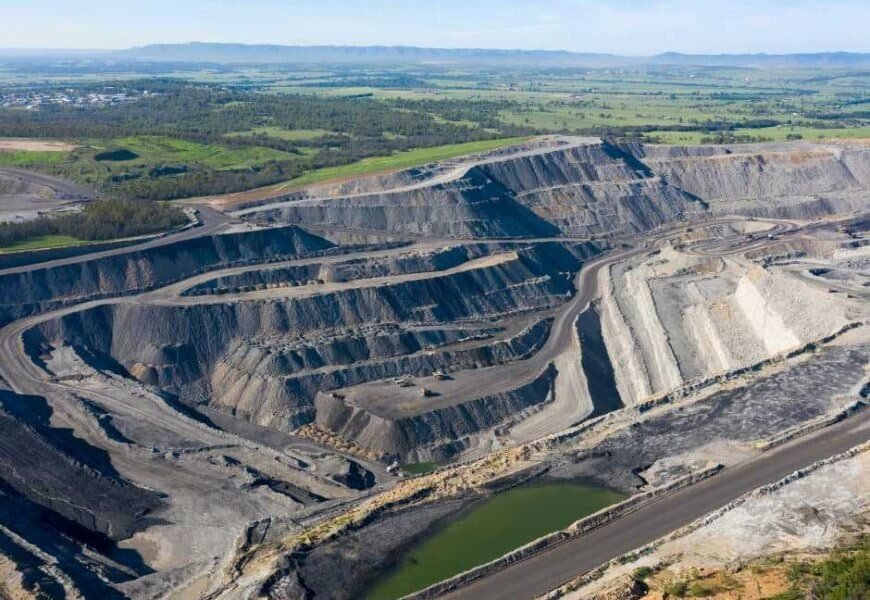
Rockhampton and the Central Highlands sit at the crossroads of Queensland’s resource economy. Known as the gateway between the coast and the outback, the region connects heavy industry, agriculture, mining, and logistics. It is both an operational hub and a lifestyle destination, with everything from coal mines and rail corridors to cattle farms and regional airports.
For FIFO and DIDO workers, this region represents balance. You can access remote work within hours of the city, earn strong wages, and still live within reach of beaches, schools, and hospitals. In 2026, Rockhampton is not only a transit point — it is one of Queensland’s fastest-growing employment zones for both trades and technical professionals.
1. Understanding the Region
The Central Highlands cover a vast inland area west of Rockhampton, stretching from Emerald and Blackwater through Springsure, Moura, and Dysart. These towns form the industrial corridor supporting Queensland’s coal supply and associated infrastructure.
Rockhampton itself sits on the Fitzroy River, about 40 kilometres from the coast. Its airport, port connections through Gladstone, and road networks make it a strategic launch point for resource projects and agricultural exports.
The climate is tropical with defined wet and dry seasons. The coast brings humidity, while the inland mines experience high heat and dust during summer. This dual geography supports a wide variety of FIFO arrangements — from urban-based fly-outs to deep inland rotations lasting weeks.
Key Towns and Centres:
- Rockhampton: Main logistics base, training centre, and DIDO launch hub.
- Emerald: Central administrative and residential base for mining.
- Blackwater: Operational centre for open-cut coal mines.
- Moura and Dysart: Core production and rail-load hubs.
- Springsure and Tieri: Residential support towns for contractors.
2. Main Industries and Employment Drivers
Rockhampton and the Central Highlands are resource-rich, diverse, and resilient. The region’s industries overlap in a way few others do — mining fuels logistics, logistics supports agriculture, and infrastructure projects connect it all.
Coal Mining and Processing
Coal remains the region’s backbone. The Bowen Basin extends through the Central Highlands, producing both thermal and metallurgical coal for export.
Major Mines and Operators:
- BMA (BHP Mitsubishi Alliance): Blackwater, Saraji, Goonyella Riverside, Peak Downs.
- Glencore: Clermont and Oaky Creek Coal Mines.
- Yancoal: Yarrabee and Middlemount.
- Stanmore Resources: Poitrel and South Walker Creek.
Each mine supports hundreds of jobs for electricians, diesel fitters, haul truck operators, and mechanical trades. Contractors such as Thiess, HSE Mining, and Sedgman provide additional roles in maintenance, haulage, and processing.
Infrastructure and Rail Networks
Rockhampton is the operational centre for Aurizon, Queensland’s largest rail freight operator. The company’s major depots, workshops, and training facilities are located near the city, employing mechanics, electricians, engineers, and signalling technicians.
The Central Queensland Coal Network and North Coast Line connect the inland mines to the Port of Gladstone, making rail work one of the most stable FIFO and DIDO options in the state.
Civil contractors such as Fulton Hogan, Downer, and CPB Contractors are constantly engaged in upgrades of highways, rail crossings, and bridge works throughout the region.
Agriculture and Food Processing
While mining dominates headlines, agriculture remains a major employer. The region’s cattle, cotton, and grain industries rely on mechanics, truck drivers, and refrigeration technicians. Companies like Teys Australia, Rockhampton Meatworks, and Australian Country Choice offer trade apprenticeships and FIFO technical support for plant maintenance.
Renewable Energy and Power Projects
The Central Highlands are now part of Queensland’s renewable transition. Projects such as:
- Emerald Solar Park,
- Clarke Creek Wind Farm, and
- Central Queensland Renewable Energy Zone
are creating roles for electricians, riggers, and environmental officers. These projects often operate on rotational rosters similar to mining schedules, allowing crossover for skilled trades already based in the region.
3. Types of FIFO and DIDO Jobs Available
The Central Highlands offer a complete spectrum of career paths.
Mining and Processing Roles:
- Diesel Fitters and Auto Electricians
- Excavator, Dozer, and Haul Truck Operators
- Mechanical Fitters and Boilermakers
- Electricians and Instrumentation Technicians
- Process Operators and Lab Technicians
- Safety Advisors and Environmental Officers
Infrastructure and Rail Jobs:
- Rail Track Maintainers and Machine Operators
- Signalling and Communications Technicians
- Civil Labourers, Concreters, and Pipelayers
- Project Engineers and Supervisors
Renewable Energy Roles:
- Wind Turbine Technicians and Riggers
- Solar Electricians and Maintenance Fitters
- Environmental Compliance Officers
- Electrical Engineers and Control Systems Technicians
Support and Logistics Jobs:
- Truck Drivers and Freight Coordinators
- Camp Managers, Cooks, and Utility Staff
- Warehouse and Procurement Officers
- Administration and Payroll Support
Typical Employers:
- BHP Mitsubishi Alliance, Glencore, Stanmore Resources, Aurizon, Downer, Thiess, Fulton Hogan, and CPB Contractors.
- Renewable firms include Genex Power, Neoen, and Acciona Energy.
4. Rosters, Pay, and Employment Conditions
The region’s proximity to urban centres allows a wide variety of rosters and commuting options. Workers based in Rockhampton or Emerald often choose DIDO arrangements, while interstate staff fly in through Brisbane.
Common Rosters:
- 7 days on and 7 off for rail and civil infrastructure work.
- 8 days on and 6 off for local mining operations.
- 2 weeks on and 1 week off for remote or multi-site contracts.
- Monday to Friday for city-based technical staff.
Average Annual Earnings (2026):
- Utility or Camp Support Worker: $80,000 to $100,000
- Diesel Fitter or Auto Electrician: $130,000 to $170,000
- Haul Truck Operator: $120,000 to $150,000
- HSE Officer or Supervisor: $150,000 to $190,000
- Engineer or Technical Specialist: $180,000 to $250,000 and above
Most contracts include accommodation, meals, and travel allowances. DIDO workers benefit from shorter travel times and better work-life balance compared to remote FIFO operations.
5. Accommodation and Lifestyle
The region offers flexibility in living arrangements, ranging from modern camps to family housing.
Mining Camps:
Modern villages near Blackwater, Dysart, and Moranbah include private ensuites, air-conditioning, gyms, and restaurants. Many are managed by companies like Civeo, Maca Lodge, and Oasis Accommodation Services.
Residential Towns:
Emerald and Blackwater provide long-term housing for families who want stability. Schools, hospitals, and supermarkets make them suitable for workers transitioning from pure FIFO to residential employment.
Lifestyle Advantages:
Rockhampton’s blend of industry and coastal living is unmatched. Workers can commute to inland projects and still spend weekends at Yeppoon or Great Keppel Island. Fishing, hiking, and motor sports are part of the local culture, making the region popular among tradespeople who value lifestyle flexibility.
6. Training, Certification, and Local Facilities
The Central Highlands have some of Queensland’s most advanced regional training facilities.
Mandatory Certifications:
- White Card (Construction Induction)
- Standard 11 Generic Mining Induction
- Confined Space Entry (RIIWHS202E)
- Working Safely at Heights (RIIWHS204E)
- High Risk Work Licence (for EWP, Rigging, or Dogging)
- First Aid and CPR Certification
Training Providers:
- CQUniversity Rockhampton and Emerald Campuses
- Major Training Group
- TAFE Queensland Central Region
- Australian Industry Trade College
These institutions partner directly with BMA, Aurizon, and Downer to deliver apprenticeships, safety refreshers, and heavy equipment courses.
7. Safety Culture and Work Environment
Safety expectations in the Central Highlands are among the strictest in Queensland. Mines operate under comprehensive risk management systems, and all staff undergo regular toolbox meetings and fatigue monitoring.
Rail and civil crews face long travel distances, so journey management and hydration control are critical. Temperatures can exceed 40°C in summer, requiring shade rotations and continuous water access.
Companies in the region actively promote mental health awareness through programs like MATES in Mining and R U OK? FIFO initiatives. Workers have access to 24-hour helplines and peer support networks both on site and in accommodation villages.
8. Challenges of Working in the Region
While more accessible than far-north operations, the Central Highlands still pose challenges. Heat, long hours, and shift work fatigue are common. Many workers alternate between day and night shifts, which can affect sleep patterns.
Housing shortages during major shutdowns sometimes drive up rental costs in Emerald and Blackwater. Reliable transport is essential, and workers must account for kangaroo and livestock hazards on rural roads during night driving.
However, compared to ultra-remote FIFO zones, the region’s road infrastructure, hospitals, and education options make it far easier to manage long-term careers.
9. Future Outlook (2026–2030)
The Central Highlands are evolving rapidly. While coal will remain a major employer, diversification is underway through renewables, rail logistics, and sustainable agriculture.
Major Projects Underway or Planned:
- Blackwater South Mine Development by BMA, expected to create 600 jobs.
- Clarke Creek Wind Farm, one of the largest in the southern hemisphere.
- Aurizon Maintenance and Automation Upgrades for freight efficiency.
- Emerald Hydrogen Project, integrating renewable hydrogen production into the Central Queensland Energy Zone.
- Bruce Highway and Capricorn Highway Upgrades, expanding DIDO accessibility.
This blend of old and new industries will generate steady work across engineering, logistics, and energy fields well into the next decade.
10. Conclusion: Central Queensland’s Power Corridor
Rockhampton and the Central Highlands represent the practical heart of FIFO life — connected, reliable, and full of opportunity. From coal and rail to renewables and agriculture, the region has built an economy that keeps Australia’s east coast running.
For tradespeople, engineers, and technical specialists, it offers both financial reward and community connection. You can work a high-paying roster inland, then return to the coast in hours. You can train locally, grow professionally, and raise a family without leaving Queensland.
The region’s stability, infrastructure, and continuous growth make it one of the smartest choices for anyone planning a long-term FIFO career. It is not just a worksite network; it is a living ecosystem of people, towns, and industries working together to keep Queensland moving.