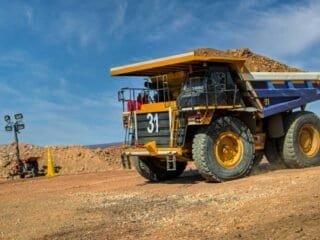
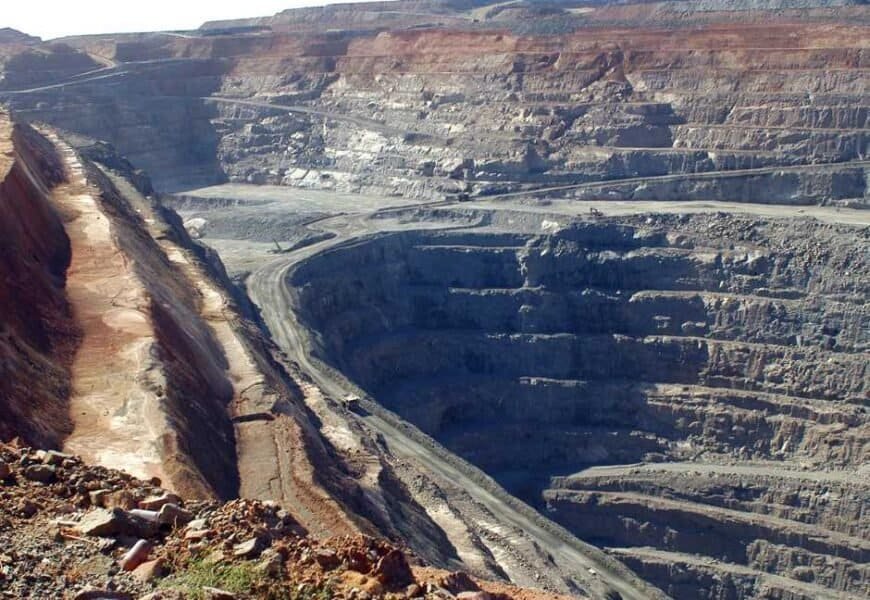
Port Hedland is the industrial heartbeat of Western Australia’s Pilbara coast. It is where millions of tonnes of iron ore, salt, and lithium leave Australian shores every week, powering economies around the world. For FIFO workers, it represents opportunity on a massive scale — the kind of steady, well-paid work that built modern Australia.
Unlike many remote mining towns, Port Hedland is both a residential city and a full-scale industrial port, offering a rare mix of FIFO, DIDO, and local employment. It is one of the most important hubs in the country for trades, logistics, heavy machinery, and port operations.
In 2026, Port Hedland continues to grow, driven by global demand for steel, battery minerals, and renewable exports. Whether you are a diesel fitter, crane operator, engineer, or camp utility worker, chances are your career path leads through this port.
1. Geography and Access
Port Hedland lies about 1,650 kilometres north of Perth, connected by the Great Northern Highway and serviced by daily flights. It sits on the Indian Ocean and serves as the main shipping point for the Pilbara’s iron ore network.
Transport and Access:
- Port Hedland International Airport (PHE): Handles commercial flights from Perth and FIFO charters from across Western Australia.
- Great Northern Highway: Connects Port Hedland to Newman, Karratha, and Broome.
- BHP and FMG Rail Lines: Transport ore from inland mines to the port.
Travel time from Perth is roughly two hours by plane. For many FIFO workers, Port Hedland is the first stop before mobilising to nearby mines or construction projects.
2. Industrial Profile and Economic Role
Port Hedland is the world’s largest bulk export port and the epicentre of Australia’s iron ore trade. Billions of dollars’ worth of commodities pass through its harbour each year.
Iron Ore and Mining Operations
The city supports the export operations of major producers, each with large-scale FIFO and DIDO workforces.
- BHP Iron Ore Operations: Employ thousands in production, maintenance, and logistics. Sites include Nelson Point and Finucane Island.
- Fortescue Metals Group (FMG): Operates its Herb Elliott Port facility and multiple inland mines.
- Roy Hill and Atlas Iron: Use Hedland as a key export and maintenance base.
Typical Roles:
Mechanical fitters, electricians, control room operators, rail maintenance crews, wharf operators, and automation technicians.
Construction, Infrastructure, and Port Expansion
Massive construction and port upgrade projects are underway to handle future export volumes.
- Lumsden Point Development: Expanding capacity for lithium, copper, and renewable energy exports.
- Pilbara Ports Authority Infrastructure Program: Building new berths, conveyors, and automation systems.
- Port Hedland Bypass and Logistics Upgrades: Improving regional access and reducing congestion.
These projects employ civil operators, concreters, surveyors, crane operators, and structural engineers.
Energy and Renewables
Port Hedland is diversifying beyond iron ore.
- Battery Minerals Export Hub: Emerging as a logistics base for lithium and manganese.
- Renewable Hydrogen Projects: Feasibility studies underway for clean energy export.
- BHP’s Decarbonisation Initiatives: Retrofitting equipment and installing solar generation near the port.
This diversification is creating new technical positions for electricians, automation engineers, and environmental officers.
3. Types of FIFO Jobs in Port Hedland
Mining and Maintenance Jobs:
- Electricians, Fitters, and Diesel Mechanics
- Boilermakers, Welders, and Structural Trades
- Control Room Technicians and Operators
- Instrumentation and Calibration Technicians
- Maintenance Planners and Shutdown Coordinators
Port and Logistics Roles:
- Wharf and Berth Operators
- Stevedores and Maritime Loaders
- Crane Operators, Riggers, and Dogmen
- Marine Electricians and Hydraulic Fitters
- Port Safety and Operations Coordinators
Civil and Construction Roles:
- Machine Operators (Excavator, Dozer, Loader)
- Concreters, Labourers, and Steel Fixers
- Project Engineers, QA Inspectors, and Supervisors
Support Services and Camp Roles:
- Utility Workers, Kitchenhands, and Cleaners
- Bus Drivers and Transport Staff
- Storepersons and Inventory Controllers
- Site Administrators and Safety Assistants
Major Employers:
- BHP, FMG, Roy Hill, Pilbara Ports Authority, CPB Contractors, Monadelphous, UGL, Downer, Ventia, and Programmed.
4. Rosters, Pay, and Work Conditions
The Pilbara region pays some of the highest FIFO salaries in Australia. Port Hedland’s rosters reflect its industrial nature and high demand for continuous operation.
Typical Rosters:
- 2 weeks on / 2 weeks off: Common for iron ore and port maintenance.
- 8 days on / 6 off: Used by port and logistics operators.
- 3 weeks on / 1 week off: Applied to shutdowns or major construction works.
- Monday to Friday: For local residents or short-distance DIDO roles.
Average Annual Salaries (2026):
- Camp Utility or Cleaning Roles: $85,000 to $100,000
- Trades (Electrical, Mechanical, Fitting): $140,000 to $180,000
- Crane and Rigger Operators: $130,000 to $170,000
- Safety and HSE Professionals: $160,000 to $200,000
- Engineers and Supervisors: $200,000 to $260,000+
Working Conditions:
Temperatures frequently exceed 40°C, especially between November and March. Shifts are typically 12 hours long. Safety, hydration, and rest protocols are strictly enforced. Workers receive meals, accommodation, and transport as part of their package.
5. Training and Certification Requirements
Employers in Port Hedland require certified, site-ready personnel before mobilisation.
Essential Certifications:
- White Card (Construction Induction)
- Standard 11 (Mining Induction)
- Working at Heights and Confined Space Entry
- Gas Test Atmospheres (MSMWHS217)
- High Risk Work Licence (EWP, Rigging, or Crane)
- MSIC (Maritime Security Identification Card) for port access
- CPR and First Aid Certification
Advanced Qualifications in Demand:
- Hazardous Areas Electrical and Instrumentation
- Process Plant Operations Certificate III
- Maritime Loading Operations (for port workers)
- Supervisory Safety Training (BSB41419 or equivalent)
Local Training Providers:
- North Regional TAFE (Hedland Campus)
- Programmed Training Services
- Monadelphous Training Centre
- Site Skills Training WA
6. Camp Life and Living in Port Hedland
Port Hedland’s FIFO camps are designed for comfort in extreme conditions.
- Air-conditioned private rooms with ensuite facilities.
- Three meals daily, gym, and pool access.
- Medical centres and recreation lounges.
- Wi-Fi and entertainment options in most camps.
For those living locally, Port Hedland has grown significantly in recent years.
- South Hedland offers residential housing, schools, and shopping centres.
- The Hedland Health Campus provides regional medical care.
- Recreational areas like Spoil Bank Marina and Cooke Point provide relief from work routines.
While costs are higher than in Perth, many workers choose to relocate permanently for family stability or career continuity.
7. Challenges and Realities
Working in Port Hedland offers excellent pay, but also demands resilience.
- Climate: Heat and humidity are extreme during summer.
- Cyclones: Seasonal events can affect port operations and flight schedules.
- Isolation: Extended rosters can make work-life balance difficult.
- Housing Costs: Rentals are expensive, though subsidies are often included.
Companies like BHP and FMG have invested heavily in employee housing, wellness programs, and flight subsidies to make life easier for FIFO and residential workers.
8. Future Outlook (2026–2030)
Port Hedland is not slowing down. It remains one of the fastest-growing industrial zones in the Southern Hemisphere.
Major Upcoming Projects:
- Lumsden Point Expansion: New export capacity for lithium, copper, and renewables.
- FMG Iron Bridge Magnetite Project: Ongoing logistics and port upgrades.
- BHP Port Debottlenecking Program: Expanding capacity for iron ore exports.
- Pilbara Hydrogen Hub Studies: Early-stage renewable hydrogen feasibility trials.
- Port Hedland Solar and Battery Installations: To support decarbonisation goals.
These projects will create thousands of construction and maintenance jobs across the next decade.
9. Conclusion: The Engine Room of Australia’s Economy
Port Hedland is more than a town — it is a global industrial powerhouse. Every ship that leaves its harbour represents thousands of jobs, years of engineering, and the skill of workers who keep the Pilbara alive.
For electricians wiring conveyors, diesel fitters maintaining haul trucks, or crane operators moving hundreds of tonnes daily, Port Hedland offers unmatched opportunities for growth, stability, and financial security.
The city’s combination of scale, safety, and future investment ensures that it will remain a cornerstone of FIFO employment in Australia long after 2026.