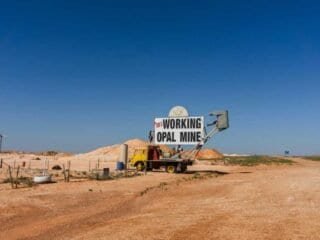
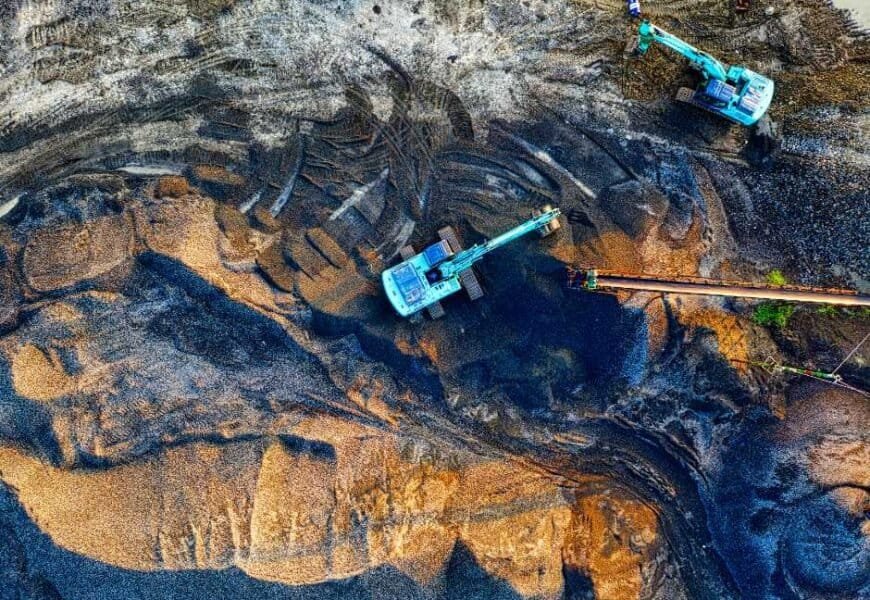
Every mine, gas plant, and processing facility in Australia relies on precision. Pressure, temperature, flow, and level readings must be perfect. One small error can stop an entire operation. The professionals who make sure that doesn’t happen are Instrumentation Technicians.
Working FIFO (Fly-In Fly-Out), these technicians install, calibrate, and maintain the control systems that keep modern industry running. In 2026, as mining and energy projects grow more automated and data-driven, Instrumentation Technicians are among the most sought-after trades in the country.
This guide dives deep into everything you need to know — from what a typical day looks like to the qualifications, pay rates, and systems that define this high-skill career.
1. The Role of a FIFO Instrumentation Technician
Instrumentation Technicians work at the intersection of mechanics, electronics, and automation. They are responsible for ensuring that every process variable — from pressure to pH — is measured, transmitted, and controlled correctly.
Core Responsibilities
- Install, calibrate, and maintain sensors, transmitters, and control loops.
- Diagnose faults in instrumentation and communication networks.
- Work with PLCs, DCS, and SCADA systems to monitor and control operations.
- Maintain process safety systems such as ESD (Emergency Shutdown Systems).
- Conduct calibration using reference standards to ensure compliance and accuracy.
- Interpret P&IDs, wiring diagrams, and loop drawings.
- Test and maintain gas detectors, flow meters, and temperature sensors.
- Record and document calibration and inspection data.
Instrumentation Technicians are the gatekeepers of precision — they make sure every reading is reliable and every process is safe.
2. Where FIFO Instrumentation Technicians Work
Instrumentation Technicians are essential across industries where process automation is critical.
| Industry | Example Worksites | Main Focus |
|---|---|---|
| Mining and Mineral Processing | Iron ore, gold, copper, lithium mines | Conveyor monitoring, pump station control, water treatment instrumentation |
| Oil, Gas, and LNG | Onshore and offshore facilities | Flow measurement, gas analysis, pressure and temperature control |
| Renewable Energy | Solar farms, hydrogen plants, wind power sites | SCADA integration, energy storage instrumentation, inverter control |
| Infrastructure and Water | Treatment plants, desalination facilities | Flow and quality monitoring, control system optimisation |
| Manufacturing and Processing | Refineries, chemical plants, food production | Batch control, automation maintenance, production safety |
Each site combines rugged fieldwork with cutting-edge digital control technology, making the role both technical and physically demanding.
3. The Systems and Equipment You’ll Work With
Instrumentation Technicians handle a range of field instruments and digital systems designed to measure and automate industrial processes.
Common Field Devices
- Pressure transmitters (Rosemount, Yokogawa, WIKA)
- Temperature sensors (RTDs, thermocouples)
- Flow meters (magnetic, vortex, ultrasonic)
- Level sensors (radar, ultrasonic, capacitance)
- Gas detectors (Honeywell, Dräger)
- Analyzers (pH, conductivity, oxygen, hydrocarbons)
Control and Automation Systems
- PLCs (Siemens, Allen-Bradley, Schneider Electric)
- Distributed Control Systems (DCS)
- SCADA and Telemetry systems for remote control
- HART, Modbus, and Profibus communication protocols
Software and Tools
- Calibration tools such as HART communicators, pressure calibrators, and loop testers
- Diagnostic laptops with PLC programming and monitoring software
- Thermal cameras, data loggers, and trending software
A good technician doesn’t just repair sensors — they understand how each device interacts within the larger control system.
4. Skills and Competencies Needed
Instrumentation work blends electrical knowledge, mechanical skill, and logical problem-solving.
Essential Technical Skills
- Reading and interpreting instrumentation schematics and loop diagrams.
- Calibrating transmitters, sensors, and analyzers.
- Troubleshooting signal loops and control systems.
- Understanding PLC and DCS logic.
- Working safely in hazardous or high-risk environments.
- Applying fault-finding methods in real-time production scenarios.
Soft Skills
- Communication and teamwork within multi-discipline crews.
- Strong attention to detail and record keeping.
- Time management and adaptability on site.
- Problem-solving under pressure during shutdowns and faults.
Technicians who combine field experience with digital literacy are in the highest demand in 2026.
5. Qualifications and Licences
Required
- Certificate III in Instrumentation and Control (UEE31220) or dual-trade Electrical and Instrumentation qualification.
- White Card (CPCWHS1001).
- Valid driver’s licence and medical clearance.
- LVR/CPR certification.
Highly Recommended
- Working Safely at Heights (RIIWHS204E).
- Confined Space Entry (RIIWHS202E).
- Hazardous Areas (EEHA) Certification.
- High-Risk Work Licence (EWP).
- Standard 11 (QLD mining).
Advanced Qualifications
- Certificate IV or Diploma in Instrumentation or Process Control.
- PLC, SCADA, and Industrial Automation certifications.
- Supervisory or leadership training for senior positions.
Dual-trade Electrician + Instrumentation Technicians are especially valuable and often earn premium rates.
6. Tools, Technology, and Modern Practices
Instrumentation has evolved into a data-driven trade.
Common Tools:
- 4–20mA signal generators, calibrators, and pressure test pumps.
- Digital multimeters and insulation testers.
- Portable analyzers and reference standards.
- Field communication devices for HART or Foundation Fieldbus networks.
Emerging Technologies:
- Smart sensors with built-in diagnostics.
- Wireless instrumentation for remote sites.
- Predictive maintenance through IoT systems.
- Cloud-based data recording for compliance and reporting.
Technicians who understand how to interpret and analyse real-time data from field sensors are becoming essential as mining and energy companies automate more systems.
7. Where the Jobs Are in 2026
Western Australia
The Pilbara remains the instrumentation hub of the nation, driven by projects from BHP, FMG, and Rio Tinto. Kalgoorlie and Kwinana are expanding with lithium and hydrogen developments requiring large-scale control system installations.
Queensland
Instrumentation specialists are needed across the Bowen and Surat Basins, as well as LNG operations in Gladstone. Coal, gas, and hydrogen plants all rely on extensive control infrastructure.
Northern Territory
Darwin and Gove host LNG, defence, and industrial sites. Expansion in remote gas and renewables projects is increasing demand for technicians with hazardous area experience.
South Australia
The Olympic Dam and Port Augusta hydrogen projects are major employers, offering long-term FIFO and DIDO opportunities for control system experts.
New South Wales and Victoria
Opportunities continue across the Hunter Valley, Broken Hill, and Geelong industrial corridors in automation maintenance, manufacturing, and water treatment systems.
8. Salaries and Rosters (2026 Overview)
| Position | Hourly Rate | Annual Range | Typical Roster |
|---|---|---|---|
| Apprentice / Assistant | $40–$50 | $85,000–$100,000 | 8:6 or 14:7 |
| Qualified Technician | $65–$85 | $140,000–$170,000 | 2:1 |
| Senior / Lead Tech | $90–$110 | $175,000–$200,000 | 2:1 or 3:1 |
| Supervisor / Coordinator | $110–$130 | $200,000–$230,000 | 2:1 or 4:2 |
| Automation Specialist | $130–$150+ | $230,000–$270,000+ | 4:2 |
Additional Benefits:
- Return flights, accommodation, meals.
- Tool and site allowances.
- Bonuses for shutdown work or project commissioning.
- Paid training for upskilling or renewals.
9. Major Employers and Career Pathways
Mining Operators: BHP, Rio Tinto, FMG, Roy Hill, Glencore, South32.
Contractors: Thiess, Monadelphous, Downer, UGL, MACA.
Automation Providers: Siemens, ABB, Schneider Electric, Yokogawa, Emerson.
Renewable Developers: AGL, Neoen, Synergy, Vestas, GE Renewables.
Career pathways are diverse — technicians can move into automation engineering, project supervision, or control systems management as they build experience.
10. A Day in the Life of a FIFO Instrumentation Technician
Workdays start early with a 5:30 am pre-start meeting. After safety checks and permits, technicians are assigned to tasks like calibrating transmitters, diagnosing control loops, or performing plant start-up tests.
Fieldwork can involve long hours under heat or in confined spaces, often using handheld calibrators or diagnostic software in high-noise environments. Afternoons focus on documentation, updating calibration certificates, and troubleshooting system issues reported by operators.
Evenings at camp usually include meals, recreation, and preparation for the next day’s shift. The routine demands focus, endurance, and adaptability.
11. Career Progression and Long-Term Opportunities
Early Career (1–3 Years)
Entry-level or apprentice technician roles assisting with calibration and documentation.
Mid-Career (4–8 Years)
Fully qualified Instrumentation Technician handling independent maintenance and shutdown work.
Senior Career (9–15 Years)
Lead Technician or Supervisor managing teams, training apprentices, and overseeing control upgrades.
Advanced Career (15+ Years)
Automation or Control Engineer, Maintenance Superintendent, or Project Manager.
Additional studies in process control, automation, or leadership can open pathways into senior technical or management positions.
12. Work Conditions, Challenges, and Rewards
Advantages
- Excellent pay and long-term job security.
- Exposure to advanced automation and control systems.
- Variety of industries and sites to work across.
- Clear career advancement into engineering or management.
Challenges
- Harsh weather, heat, and dust.
- High-pressure environments during breakdowns or shutdowns.
- Time away from family due to FIFO rosters.
- Constant need to stay current with changing technology.
The job demands resilience and continuous learning, but rewards those who thrive in technical and dynamic settings.
13. How to Start a FIFO Instrumentation Career
- Complete a Certificate III in Instrumentation and Control (UEE31220).
- Gain workshop or plant experience in instrumentation maintenance.
- Obtain essential safety tickets (White Card, Confined Space, Heights).
- Apply for shutdown or commissioning roles to gain practical FIFO exposure.
- Progress into permanent maintenance or automation positions.
- Upskill with PLC, SCADA, and hazardous area training for advanced roles.
By combining field experience with technical study, technicians can move from apprentice to automation specialist within a decade.
14. The Future of Instrumentation Work in 2026 and Beyond
Automation, hydrogen, and renewable expansion are reshaping Australian industry. Modern sites rely heavily on data acquisition, smart sensors, and remote monitoring — making instrumentation a growth trade for decades to come.
As electric mining fleets, autonomous haul trucks, and digital twin systems expand, Instrumentation Technicians will remain essential to keeping these technologies calibrated and functional.
15. Conclusion: Precision, Power, and Progress
Instrumentation Technicians are the heartbeat of industrial automation. They combine technical expertise with the precision and discipline that keep Australia’s production running safely and efficiently.
In 2026, this trade represents one of the most future-proof careers in the country — offering strong income, travel opportunities, and the satisfaction of mastering technology that drives global industry.
Next Steps:
- Certificate III in Instrumentation and Control (UEE31220)
- Advanced PLC and SCADA Systems Training
- Hazardous Areas and EEHA Certification
- Leadership and Supervisory Training for Technicians