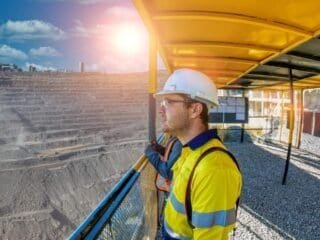
Every mine, refinery, and remote camp in Australia runs on electricity, and behind every circuit, cable, and light tower stands an Electrician. FIFO Electricians are the backbone of Australia’s mining and infrastructure operations. Without them, crushers stop, lights fail, and production grinds to a halt.
They work in some of the harshest environments on the planet, maintaining high-voltage systems, automation networks, and life-supporting infrastructure hundreds of kilometres from the nearest town. In 2026, demand for qualified Electricians is reaching record levels as new lithium mines, hydrogen facilities, and renewable energy projects expand across the country.
This is the complete guide to understanding what FIFO Electricians do, how much they earn, where they work, what qualifications they need, and how to start a long-term, high-paying career in the trade that powers Australia’s remote economy.
1. The Role of a FIFO Electrician
FIFO Electricians install, repair, and maintain electrical systems in remote industrial and resource operations. Their work ensures that heavy equipment runs smoothly, camps remain operational, and all electrical systems meet strict safety standards.
Typical Responsibilities
- Install, maintain, and test electrical circuits and power systems.
- Diagnose and repair breakdowns in crushers, conveyors, and pumps.
- Maintain and inspect switchboards, circuit breakers, MCCs, and transformers.
- Test and tag portable electrical equipment to AS/NZS 3760 standards.
- Perform planned maintenance and reactive repairs across fixed and mobile plant.
- Carry out isolations, lockout/tagout procedures, and live testing safely.
- Assist with new site commissioning, power upgrades, and instrumentation work.
- Maintain camp utilities such as lighting, HVAC systems, and water pumps.
This combination of hands-on technical work and high-level responsibility makes FIFO electrical work one of the most challenging and respected trades in the industry.
2. Where FIFO Electricians Work
Electricians are essential across every type of remote project, from mineral mines and gas plants to construction camps and renewable energy facilities.
| Industry | Example Worksites | Typical Tasks |
|---|---|---|
| Mining and Processing | BHP, Rio Tinto, FMG, Newmont | Maintain HV and LV power systems, conveyor belts, crushers, and lighting networks. |
| Oil, Gas, and LNG | INPEX, Santos, Shell, Woodside | Maintain HV switchrooms, backup systems, control panels, and PLCs. |
| Renewable Energy | Neoen, AGL, Synergy, Vestas | Install and service solar arrays, inverters, wind turbine controls, and storage systems. |
| Camp Maintenance | Sodexo, ESS, Compass | Maintain accommodation power, air conditioning, and water systems. |
| Construction Projects | CPB, Laing O’Rourke, ACCIONA | Install temporary power, cabling, lighting towers, and distribution panels. |
FIFO Electricians move between these sectors depending on project stages, meaning career opportunities are constant and diverse.
3. Types of Electrical Work on FIFO Sites
High-Voltage (HV) Distribution
Electricians operate and maintain 6.6kV to 33kV systems powering processing plants and haul truck charging stations.
Low-Voltage (LV) Maintenance
Daily inspection and repair of MCCs, lighting circuits, PLC panels, and standby generators.
Instrumentation and Control Systems
Working with PLCs, sensors, and automation networks used for real-time production control.
Hazardous Areas (EEHA)
Maintaining electrical systems in environments with explosive gases or dust, especially in LNG or chemical plants.
Renewable and Hybrid Systems
Installing and maintaining solar farms, battery storage systems, and hybrid diesel-solar generators.
Camp Electrical Maintenance
Managing accommodation power, HVAC units, and recreational facilities that house hundreds of workers.
A single Electrician might work across multiple systems on one site, from rewiring an MCC to troubleshooting solar inverters or repairing air conditioning in remote accommodation units.
4. Licences and Qualifications Required
Mandatory Requirements
- Unrestricted Australian Electrical Licence.
- Certificate III in Electrotechnology Electrician (UEE30820).
- White Card (CPCWHS1001).
- LVR/CPR certification (renewed annually).
- Pre-employment medical and drug test.
Highly Recommended Tickets
- Working Safely at Heights (RIIWHS204E).
- Confined Space Entry (RIIWHS202E).
- High-Risk Work Licence (EWP – WP class).
- Standard 11 Surface Induction (QLD).
- HV Switching Operations (for 6.6kV+ systems).
- EEHA (Electrical Equipment in Hazardous Areas).
Advanced and Specialist Training
- Certificate IV in Electrical – Instrumentation (UEE40420).
- Diploma of Electrical and Instrumentation Engineering.
- PLC and SCADA programming (Siemens, Allen-Bradley, Schneider).
- Renewable Energy Design and Installation (Clean Energy Council accreditation).
Employers strongly prefer candidates with a mix of HV switching and instrumentation experience, as sites increasingly integrate automation and hybrid power systems.
5. Tools, Technology, and Equipment
Modern FIFO Electricians rely on a blend of traditional tools and advanced diagnostic technology.
Standard Tools
- Multimeters, insulation testers, clamp meters, and phase rotation testers.
- Crimpers, torque screwdrivers, conduit benders, and termination tools.
- Thermal imaging cameras for detecting electrical hot spots.
Advanced Equipment
- PLC laptops for Siemens TIA Portal, Allen-Bradley RSLogix, and Schneider EcoStruxure.
- Portable data loggers and vibration sensors.
- SCADA control systems for plant monitoring.
- Mobile tablets with maintenance software like SAP, Pronto, and Mainpac.
As of 2026, sites are adopting predictive maintenance through IoT-enabled systems, requiring Electricians to interpret live telemetry data and prevent faults before they occur.
6. Major FIFO Locations and Projects in 2026
Western Australia
The Pilbara remains the heart of electrical work, with major projects in Tom Price, Newman, Port Hedland, and Paraburdoo. Expansion in lithium and hydrogen facilities around Greenbushes, Kwinana, and Kalgoorlie creates additional demand.
Queensland
Coal and gas operations across the Bowen Basin, Galilee Basin, and Surat Basin hire HV Electricians and Instrumentation Techs. LNG terminals in Gladstone continue expanding.
Northern Territory
Roles in Darwin LNG, Tennant Creek, and Gove focus on industrial maintenance and power generation. Defence and renewables projects in Katherine also require licensed Electricians.
South Australia
The Olympic Dam, Carrapateena, and Port Augusta projects employ electrical teams for copper, solar, and hydrogen systems.
New South Wales and Victoria
Work is available in Hunter Valley mines, Broken Hill solar projects, and Geelong industrial facilities, often through DIDO arrangements.
7. Salaries and Rosters (2026 Overview)
| Position | Hourly Rate | Annual Salary | Typical Roster |
|---|---|---|---|
| Apprentice / TA | $35–$45 | $85,000–$95,000 | 8:6 |
| Qualified Electrician | $55–$75 | $130,000–$155,000 | 2:1 |
| HV / Instrumentation Tech | $75–$95 | $160,000–$185,000 | 2:1 |
| Supervisor / Leading Hand | $95–$115 | $185,000–$210,000 | 2:1 or 4:2 |
| Electrical Superintendent / Engineer | $115–$140 | $210,000–$250,000 | 4:2 |
Additional Benefits:
- Return flights, meals, and accommodation provided.
- Site allowances ($3–$5/hour).
- Night shift and shutdown bonuses.
- Training subsidies for advanced certifications.
Electricians with HV and EEHA qualifications consistently command the top rates.
8. Major Employers and Contractors Hiring Electricians
Mining Operators: BHP, Rio Tinto, FMG, Roy Hill, Newmont, Glencore.
Engineering and Construction: Monadelphous, Thiess, Downer, CPB Contractors, UGL, MACA.
Energy and Renewables: Woodside, AGL, Neoen, Vestas, Synergy, GE Renewables.
Maintenance and Camp Services: Sodexo, ESS, Compass, Spotless.
Recruitment Agencies: WorkPac, Stellar Recruitment, Programmed, CoreStaff.
Most large employers partner with registered training organisations (RTOs) to offer ongoing upskilling in instrumentation and HV systems.
9. Daily Life and Work Routine
Days usually begin at 5:30 am with a pre-start meeting. After safety checks and toolbox talks, electricians receive their task assignments — anything from repairing a substation breaker to wiring new lighting towers.
During 12-hour shifts, electricians handle both preventive maintenance and emergency breakdowns. The afternoon is spent testing systems, recording reports, and ensuring the site remains electrically compliant.
Work is often hot, dusty, and physically demanding, but also structured, well-paid, and team-oriented. Evening downtime in camps includes gym sessions, recreation areas, and social facilities.
10. Career Progression and Pathways
Stage 1 (Years 1–3): Apprentice or Trade Assistant learning foundations.
Stage 2 (Years 4–6): Site Electrician on LV systems or camp maintenance.
Stage 3 (Years 7–10): HV Electrician, Instrumentation Tech, or Maintenance Planner.
Stage 4 (Years 10–15): Leading Hand, Electrical Supervisor, or Inspector.
Stage 5 (15+ Years): Superintendent, Project Manager, or Electrical Engineer.
Pathway Enhancements
- Certificate IV in Electrical Instrumentation.
- Diploma in Electrical and Control Systems.
- Advanced HV Switching and Protection.
- Renewable Energy Design and Microgrid Management.
- Leadership and team management programs.
Electricians who combine electrical and instrumentation credentials are in the highest demand nationwide.
11. Lifestyle, Work Conditions, and Challenges
Advantages
- High salary and long-term job security.
- Exposure to advanced automation and renewable technologies.
- Defined career progression across multiple industries.
- Paid travel and accommodation.
Challenges
- Extended rosters and long shifts.
- Harsh weather conditions.
- Strict compliance and documentation workloads.
- Limited personal time during rotations.
Many companies now focus on mental health, fitness, and financial wellbeing programs to support FIFO Electricians living away from families for extended periods.
12. How to Start a FIFO Electrician Career
- Complete a Certificate III in Electrotechnology Electrician (UEE30820).
- Obtain your unrestricted Australian Electrical Licence.
- Gain at least two years of industrial or construction experience.
- Secure core safety tickets (White Card, Heights, Confined Space, LVR/CPR).
- Apply for shutdown or maintenance contracts via agencies.
- Transition to long-term FIFO roles with large mining or energy operators.
- Upskill with HV or instrumentation qualifications to advance pay and rank.
Many successful FIFO Electricians begin in construction before transitioning to mining or energy, where the rosters and benefits are far superior.
13. The Future of FIFO Electrical Work in 2026 and Beyond
Australia’s transition to renewable energy and electrified transport is driving massive growth in the electrical trade. From hydrogen production facilities in South Australia to solar-battery projects in the Northern Territory, skilled Electricians are the foundation of the country’s energy transformation.
Automation is also reshaping the role — Electricians are now integrating PLCs, telemetry, and AI-driven monitoring systems to increase site reliability. The trade is shifting from manual maintenance to data-driven asset management, requiring both electrical skill and digital fluency.
As electric haul trucks, battery-powered drills, and autonomous systems grow, the Electrician’s role will become even more critical in managing the new era of electrified industry.
14. Conclusion: The Future Belongs to Those Who Power It
FIFO Electricians are more than tradespeople — they are the power technicians who keep Australia’s largest operations alive. In 2026, this trade offers unmatched pay, career mobility, and exposure to cutting-edge technology.
From underground mines to wind farms, Electricians are ensuring the lights stay on and the machines keep moving. For those willing to work hard, adapt to new technologies, and master both traditional and digital systems, the FIFO Electrician career is one of the most secure and rewarding paths in Australia’s workforce.
Next Steps:
- Certificate III in Electrotechnology Electrician (UEE30820)
- High Voltage and Switching Operations Course
- Electrical Instrumentation and PLC Training
- Renewable Energy and Microgrid Certification