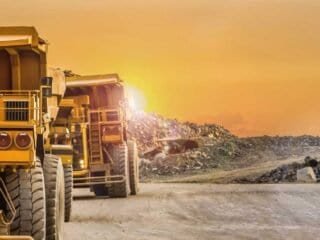
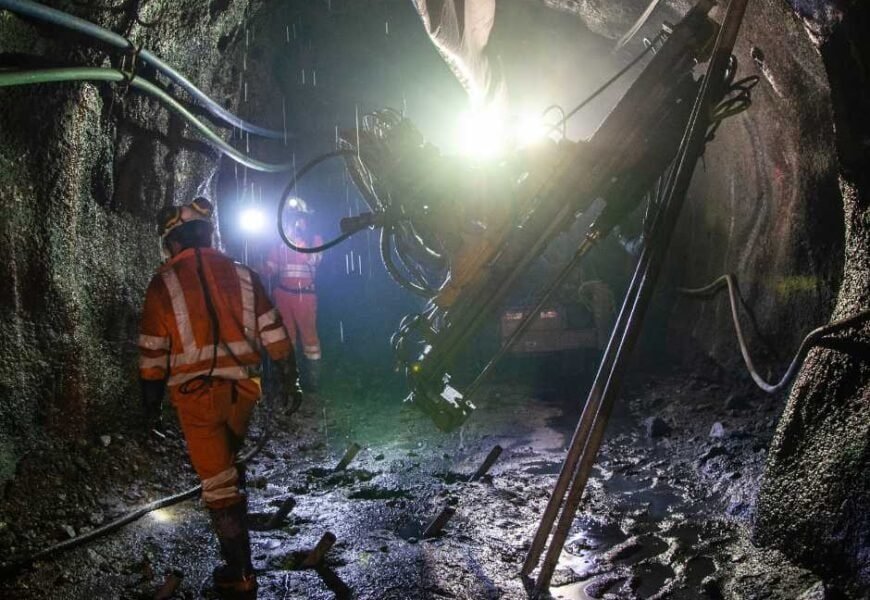
Working for BHP’s Western Australia Iron Ore division means joining one of the largest and most complex industrial networks in the world. It’s an operation that stretches across the Pilbara — from massive open-cut mines and crushing hubs to an integrated rail network and coastal export terminals at Port Hedland. For FIFO workers, that scale translates into opportunity, high pay, and job security, but also demanding rosters, strict standards, and a lifestyle that takes commitment.
This guide breaks down what it’s really like to work for BHP in 2026 — the good, the bad, and the practical realities — so you know exactly what to expect and how to prepare.
1. Company and Operations Overview
BHP WA Iron Ore (WAIO) manages multiple mining hubs across the Pilbara, including Newman, Jimblebar, Yandi, and South Flank, all connected by over 1,000 kilometres of private rail to the ports at Nelson Point and Finucane Island in Port Hedland. The system produces more than 250 million tonnes of iron ore annually and employs thousands of FIFO and DIDO workers across production, maintenance, logistics, and support.
Why BHP remains one of the best FIFO employers:
- Massive operational scale, ensuring stable long-term demand for skilled trades, operators, and technicians.
- Consistent investment in maintenance, automation, and infrastructure upgrades.
- Clear career pathways, from entry-level to senior technical and leadership roles.
- Industry-leading safety standards, training programs, and modern accommodation villages.
Challenges and trade-offs:
- Intense rosters with long shifts, heat, and isolation typical of Pilbara life.
- High expectations for performance, discipline, and compliance.
- Rigid operational systems that can feel corporate or bureaucratic.
- Travel fatigue and limited flexibility for family commitments.
BHP rewards reliability, experience, and safety culture. The workers who thrive here are the ones who can handle structure, follow procedure, and see the long-term career potential in doing things properly.
2. Job Categories and Opportunities
The WAIO workforce covers every discipline from production to technical trades. Below are the main categories where FIFO demand remains strongest in 2026.
Operations and Production
These are the backbone roles keeping ore moving from pit to port.
- Mobile Plant Operators: Haul trucks, dozers, graders, water carts, and loaders.
- Fixed Plant Operators: Crushers, screening circuits, conveyors, and train load-out systems.
- Rail and Port Operators: Managing load-out stations, train control, and ship-loading systems.
Trades and Maintenance
Maintenance drives a large portion of BHP’s FIFO workforce.
- Mechanical Fitters and Heavy Diesel Mechanics: Servicing mobile fleets and fixed plant.
- Electricians and Instrumentation Technicians: Maintaining automation systems, MCCs, VSDs, and field controls.
- Boilermakers and Welders: Structural and fabrication work for crushers, chutes, and frames.
- Riggers, Scaffolders, and Crane Operators: Supporting shutdown and project lifts.
Support and Technical Roles
- Camp Utilities and Logistics: Catering, housekeeping, transport, and stores.
- Planners, Schedulers, and Reliability Engineers: Overseeing predictive maintenance and shutdown scheduling.
- HSE Advisors and Emergency Response: Managing site safety, fatigue, and emergency protocols.
- Digital and Automation Technicians: Supporting remote operations and autonomous systems.
Best Roles to Target
Multi-ticketed trades (electrician + instrumentation, fitter + high-risk licence) and reliability or condition-monitoring specialists are among the most secure, best-paid, and future-proof positions. Autonomous haul-truck operators and control-room technicians are also in high demand.
Roles with Higher Turnover or Short Contracts
Camp utility and short-term shutdown roles offer quick entry but can mean unstable rosters, fewer development pathways, and limited benefits.
3. Rosters, Pay, and Conditions
Typical Rosters:
- 2 weeks on / 2 weeks off: Common for production and maintenance roles.
- 8 days on / 6 off or 7 on / 7 off: Used for operational stability.
- 3 weeks on / 1 week off: Often applied for major project shutdowns or remote camps.
- 5 days on / 2 off: For town-based or DIDO support teams.
Average Annual Earnings (2026):
- Camp / Utility / Support: $90,000 – $110,000
- Mobile Plant Operator: $130,000 – $170,000
- Electrician / Fitter / Instrumentation: $140,000 – $185,000
- Rigger / Scaffolder / Crane Operator: $130,000 – $175,000
- Planner / Supervisor / HSE: $160,000 – $210,000
- Engineers / Technical Specialists: $200,000 – $260,000+
Conditions and Work Environment:
Life on a BHP site is structured and safety-focused. Shifts run 10–12 hours with fatigue management systems in place. Most workers stay in large, modern villages featuring private ensuites, gyms, internet access, quality meals, and recreation facilities.
Heat and dust are constant challenges, with temperatures often above 40°C in summer. Strict hydration, PPE, and rest protocols apply. Flights, accommodation, and meals are covered in most contracts, but travel time can add long days at the start and end of swings.
4. Qualifications, Inductions, and Site Readiness
Essential Requirements:
- White Card (Construction Induction)
- Working Safely at Heights
- Confined Space Entry
- Gas Test Atmospheres
- High Risk Work Licence (EWP, Crane, Rigging, Dogging, or Forklift)
- First Aid and CPR
- Trade qualification or operator verification of competency
- For electricians: WA Electrical Licence
Highly Valued Add-Ons:
- Multi-combination heavy-vehicle licence (HR or MC)
- Advanced Rigging or Scaffolding certifications
- Instrumentation and hazardous-area training
- Shutdown or autonomous operations experience
- Proven history of FIFO or shift-work reliability
Company-Specific Inductions:
BHP requires a pre-employment medical, drug and alcohol screening, and company induction covering Pilbara safety procedures, environmental standards, and fatigue management. Candidates who complete these before applying have a clear advantage.
5. Living and Working in the Pilbara
Camp Life
Accommodation villages are built for comfort — air-conditioned rooms, ensuite bathrooms, laundry, gyms, swimming pools, and high-quality catering. Most workers describe the food and facilities as among the best in the industry.
Town Life
In Newman and Port Hedland, some employees take residential or DIDO contracts. This offers community life, schools, and sports clubs but comes with higher living costs and limited availability during boom periods.
A Typical Day
- Early pre-start and toolbox meeting at 5:30 am.
- 10–12 hour shift with defined breaks, hydration stops, and task reviews.
- Strict permit-to-work and lockout/tagout procedures.
- Debrief and handover to night shift.
- Return to village for dinner, recreation, and rest before repeating the cycle.
Routine and discipline are the foundation of success here — every day is about consistency and safety.
6. Strengths and Weaknesses of Working for BHP
Strengths:
- Job security through scale and ongoing demand.
- Strong internal training and promotion programs.
- Industry-leading pay and benefits.
- Modern equipment, automation, and high safety culture.
- Reliable flight and camp logistics with well-established routines.
Weaknesses / Challenges:
- Large corporate structure with strict rules and slower decisions.
- Limited flexibility around roster swaps or leave.
- High competition for entry-level positions.
- Fatigue from repetitive shifts and hot weather.
- Time away from family and social isolation common.
7. Career Growth and Progression Pathways
BHP is structured for advancement if you commit to learning and consistency.
Common Progression Examples:
- Operator → Senior Operator → Leading Hand → Control Room Tech → Supervisor
- Tradesperson → Lead Hand → Planner → Reliability Technician → Maintenance Superintendent
- Rigger → Crane Operator → Lifting Supervisor → Shutdown Coordinator
- HSE Advisor → Senior Advisor → Superintendent
To progress faster:
- Add certifications while on roster (instrumentation, supervision, safety).
- Volunteer for shutdowns and cross-site projects.
- Maintain spotless safety record and attendance.
- Build relationships with planners and superintendents for internal transfers.
8. The Future of BHP WA Iron Ore (2026–2030)
The next decade will see continued expansion of the South Flank hub, ongoing rail and port debottlenecking, and upgrades to automation systems across Newman and Jimblebar. BHP’s focus on low-carbon mining means growth in electrical trades, automation techs, and data-driven maintenance.
Workers entering now are well-placed to benefit from new-tech exposure and a more diversified skill base — blending traditional trade work with digital systems and sustainability projects.
9. Final Takeaway
A FIFO job with BHP WA Iron Ore offers one of the best combinations of stability, income, and long-term career potential in the mining sector. It’s a world-class organisation that rewards safety, skill, and discipline.
But it’s not an easy path. The isolation, strict systems, and intensity can test even seasoned workers. Those who succeed are the ones who treat every swing like a professional athlete treats their training cycle — prepared, consistent, and goal-driven.
If you’re ready for the heat, the hours, and the challenge, a BHP FIFO career can deliver not just great pay, but a lifetime of experience, growth, and pride in being part of something that literally moves the nation’s economy.