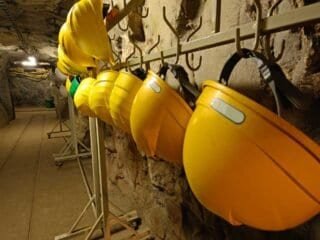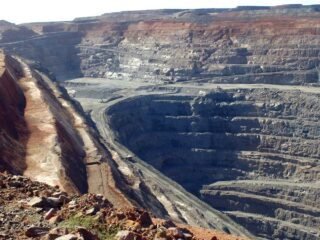
Karratha is the beating heart of Western Australia’s Pilbara region — a city built by industry, sustained by innovation, and defined by one of the most productive workforces in the world. For anyone considering a FIFO (fly-in fly-out) career in Western Australia, Karratha stands as both a destination and a gateway.
With vast LNG facilities, iron ore terminals, construction projects, and renewable energy corridors, the region offers consistent, high-paying FIFO roles across multiple trades and professions. In 2026, Karratha remains one of the most stable and well-developed hubs for resource-sector employment in Australia.
1. Geography and Access
Karratha is located about 1,500 kilometres north of Perth, near the Indian Ocean coastline. It sits within the Pilbara — a region famous for iron ore, gas, and salt production.
Transport and Access Points:
- Karratha Airport (KTA): One of Western Australia’s busiest regional airports, handling daily FIFO charter and commercial flights from Perth, Broome, and Port Hedland.
- Dampier Port: A major export terminal for iron ore and LNG.
- North West Coastal Highway: Links Karratha to Onslow, Port Hedland, and inland Pilbara mining centres.
Flights from Perth take just under two hours. Many workers fly directly from Perth or stay in Karratha for DIDO access to nearby operations in Dampier, Wickham, or Maitland.
2. Economic and Industrial Overview
Karratha powers Australia’s export economy. Billions of dollars’ worth of gas, minerals, and chemicals flow through this city’s ports and pipelines each year. Its economy revolves around three main sectors: oil and gas, iron ore, and construction infrastructure.
Oil and Gas Sector
Karratha is home to one of the largest natural gas production zones in the southern hemisphere.
- Woodside Energy’s North West Shelf Project processes offshore gas and exports LNG worldwide.
- Pluto LNG Facility continues expansion with Pluto Train 2, creating jobs in construction, operations, and maintenance.
- Burrup Hub Project integrates Scarborough Gas Field and Karratha Gas Plant operations, with more than 4,000 workers during peak construction.
These projects employ mechanical fitters, instrumentation technicians, control engineers, scaffolders, welders, and HSE specialists on both short-term contracts and permanent rotational rosters.
Iron Ore and Mining Operations
Karratha also supports Rio Tinto’s coastal export terminals at Dampier and Cape Lambert, where millions of tonnes of ore are loaded for export each year.
- Roles include maintenance fitters, electrical technicians, crane operators, and port operators.
- Rio Tinto operates several nearby mines connected to Karratha by private rail networks.
Infrastructure, Construction, and Renewables
The region’s infrastructure boom continues into 2026, with major upgrades in transport, housing, and clean energy.
- Burrup Strategic Industrial Area is expanding into hydrogen and ammonia production.
- Yara Pilbara Clean Ammonia Project and ENGIE’s Renewable Hydrogen Facility are attracting skilled electricians, control engineers, and safety officers.
- The Karratha-Tom Price Road and Dampier Highway expansions employ civil operators, surveyors, and project managers.
3. Types of FIFO Jobs Available
Because Karratha supports so many industries, FIFO work covers nearly every field — from construction trades to specialised process engineering.
Mining, Gas, and Industrial Trades:
- Mechanical Fitters, Diesel Mechanics, and HD Plant Technicians
- Boilermakers, Welders, and Pipefitters
- Electricians, Instrumentation Technicians, and HV Specialists
- Crane Operators, Riggers, and Scaffolders
- Process Plant Operators and Control Room Technicians
Construction and Civil Roles:
- Machine Operators (Grader, Dozer, Loader, Excavator)
- Civil Labourers, Concreters, and Formwork Carpenters
- Surveyors and Structural Engineers
- Project Managers, Supervisors, and QA Inspectors
Support and Logistics:
- Camp Managers and Utility Workers
- Bus Drivers and Transport Coordinators
- Supply Chain, Procurement, and Warehouse Staff
- Administration, Payroll, and Training Officers
Emerging Fields (Renewables and Hydrogen):
- Electrical Engineers and Automation Specialists
- Environmental Officers and Hydrogen Safety Technicians
- Commissioning Engineers for Renewable Projects
Major Employers:
- Woodside Energy, Rio Tinto, Yara Pilbara, Monadelphous, UGL, Downer, Ventia, CPB Contractors, and Worley.
4. Rosters, Pay, and Work Conditions
FIFO schedules in Karratha are structured to balance productivity with rest. Roster types vary by industry.
Typical Rosters:
- 2 weeks on / 2 weeks off: Common for gas plant operations and major maintenance shutdowns.
- 8 days on / 6 off: Used by construction and port operators.
- 3 weeks on / 1 week off: Applied to remote or intensive project-based work.
- Monday to Friday: For local staff or DIDO workers based in Karratha.
Average Annual Salaries (2026):
- Camp Utility or Catering Staff: $90,000 to $110,000
- Trades (Electrical, Mechanical, Fitting): $140,000 to $180,000
- Crane Operator or Rigger: $130,000 to $170,000
- HSE Advisor or Supervisor: $160,000 to $200,000
- Engineer or Technical Specialist: $200,000 to $260,000+
Working Conditions:
Temperatures often exceed 40°C in summer. Long shifts (10–12 hours) are standard, with strong safety systems in place. Most companies run fatigue monitoring, hydration programs, and mental health support networks.
5. Training and Certification Requirements
Karratha’s worksites follow strict safety and qualification standards.
Core Requirements:
- White Card (Construction Induction)
- Confined Space Entry (RIIWHS202E)
- Working Safely at Heights (RIIWHS204E)
- Gas Test Atmospheres (MSMWHS217)
- High Risk Work Licence (EWP, Rigging, Dogging, or Cranes)
- CPR and First Aid
- Site-Specific Inductions (Woodside, Rio Tinto, Yara, or BHP systems)
Additional Industry-Specific Tickets:
- MSIC (Maritime Security Identification Card) for port access.
- Basic Fire Training for LNG and refinery sites.
- Hazardous Areas Electrical certification for process plants.
- Hydrogen Safety or Process Safety Training (for renewable energy work).
Local Training Providers:
- North Regional TAFE Karratha Campus
- Santos Training Centre
- Programmed Skilled Workforce Training
- Electrical Group Training (WA)
These centres deliver everything from trade apprenticeships to high-risk licence renewals.
6. Camp Life and Lifestyle
Karratha has evolved from a remote industrial town into a modern regional city. Workers can choose between living in town or staying in FIFO camps.
Camp Facilities:
- Private air-conditioned rooms with ensuite bathrooms.
- Three daily meals, gyms, pools, and recreation halls.
- Free Wi-Fi, laundry, and medical services.
- Shuttles between airport, camp, and work sites.
Living in Karratha:
Permanent residents enjoy high-quality housing, shopping centres, and sports facilities. The Karratha Leisureplex offers a pool, gym, and courts, while Point Samson and Dampier Beach provide weekend relaxation.
Despite its industrial identity, Karratha has built a strong community culture, with families, schools, and small businesses thriving alongside the FIFO workforce.
7. Challenges of Working in the Pilbara
The region’s rewards come with realities.
- Heat and Humidity: Summer temperatures can exceed 45°C.
- Isolation: Some workers experience homesickness or fatigue due to repetitive rosters.
- Cyclone Season: From December to April, weather can disrupt flights or site operations.
- High Costs: Groceries and housing are more expensive than in southern cities.
Employers invest heavily in employee wellbeing programs, mental health support, and leisure amenities to offset these pressures.
8. Future Outlook (2026–2030)
Karratha’s industrial transformation is accelerating. The next decade will combine traditional resource strength with renewable diversification.
Major Projects Driving Growth:
- Pluto LNG Train 2 and Scarborough Gas Project, expanding gas exports and construction jobs.
- Burrup Renewable Hydrogen and Ammonia Hub, targeting net-zero industrial operations.
- Pilbara Minerals Port Expansion and Rio Tinto’s Iron Ore Automation Program, creating engineering and technology jobs.
- Karratha Airport Upgrade, improving FIFO logistics.
- Battery and Hydrogen Storage Facilities in the Maitland Industrial Area.
These developments ensure thousands of roles for skilled tradespeople, engineers, and support workers well into the 2030s.
9. Conclusion: The Powerhouse of Australian FIFO Work
Karratha is not just a city — it is the core engine of Western Australia’s resource economy. It combines world-class industry, strong infrastructure, and unmatched earning potential.
For electricians maintaining LNG compressors, welders building hydrogen plants, or logistics coordinators running multi-million-dollar operations, this region offers steady work, professional development, and lifestyle advantages rarely found elsewhere.
Karratha’s blend of scale, safety, and opportunity makes it the benchmark for FIFO employment in Australia — a city built by workers who keep the country’s economy running every single day.