The North West Minerals Province is one of Australia’s greatest economic frontiers — remote, vast and rich in resources. At its heart sits Mount Isa: a town born from mining, hardened by the outback, yet central to the future of electrical grids, critical minerals and export infrastructure. For workers willing to travel, adapt and embrace roster life, this region offers some of the strongest career opportunities in Australia.
1. Region & Access Overview
Mount Isa is located in far north-western Queensland. The region covered by the North West Minerals Province stretches across hundreds of thousands of square kilometres, encompassing mining centres like Cloncurry, McKinlay, Julia Creek and Camooweal. This great distance means workplaces range from established mines to frontier exploration camps.
Access is challenging but well established:
• Mount Isa Airport handles charter flights for FIFO operations.
• Major highways such as the Barkly and Flinders connect the region to Townsville, Darwin and other logistics hubs.
• Remote airstrips and worker villages serve exploration camps and maintenance crews deep in the outback.
Living in the region means tolerating extremes: intense summer heat, winter cools, dust, isolation, and long travel legs. At the same time, the remoteness brings premium pay, strong job demand and skills-scarcity advantages.
2. Key Industries Fueling Employment
Mining & Base Metals
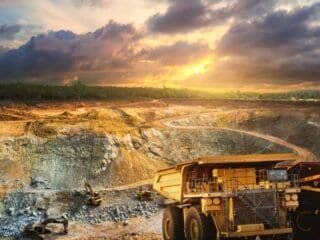
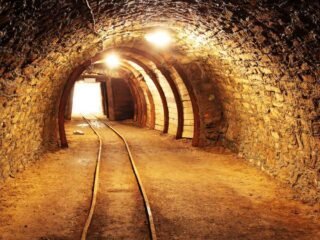
This region has long produced copper, lead, zinc, silver and uranium — sites such as the historic Mount Isa Mines complex remain operational under new ownership. Large open-cut and underground operations demand thousands of tradespeople.
Critical Minerals & Energy Transition
The North West is now central to Queensland’s push for battery-metals, vanadium, phosphate and high-purity alumina. With electrical grid upgrades, transmission lines and renewable overlays, the region is offering new kinds of FIFO work — not just mining but infrastructure for the energy future.
Infrastructure, Rail & Power Projects
As mines scale and new deposits open, rail lines, power stations, conveyors and water infrastructure must follow. Civil contractors, electrical crews and heavy-equipment teams are required in large numbers. Projects like large-scale transmission lines (1,000 km+) and grid link upgrades are attracting FIFO specialists.
Support & Services
Camps, transport fleets, logistics, maintenance workshops, and camp operations provide employment beyond trades. Many roles support the main resource projects — from catering to transport coordination to site-services management.
3. Types of Jobs Available
This region offers a wide spectrum of roles. Here are some of the key job categories:
Trade & Technical Roles
• Heavy Diesel Mechanic (haul trucks, excavators)
• Auto Electrician / Mining Electrician
• Boilermaker & Welder (structural, plant repair)
• Instrumentation Technician & Control Systems Electrician
• Process Plant Operator & Maintenance Technician
• Rigger, Dogman, Crane Operator
Infrastructure & Civil Roles
• Civil Plant Operator (grader, dozer, excavator)
• Machine Operator for rail / road upgrade works
• Field Engineer / Maintenance Planner
• Surveyor, Geotechnician, QA/QC Inspector
Support & Services Roles
• Utility Worker & Camp Services Staff
• Logistics Coordinator, Storeperson, Freight Driver
• Administration / Site Office Assistant
• Safety Officer, Environmental Technician, Indigenous Engagement Officer
Example Employers and Contractors
• Major miners operating in the region
• Civil & infrastructure contractors engaged in rail, power and water asset upgrades
• Service-bases managing camp operations, logistics and site services
4. Rosters, Pay & Conditions
Given the remoteness and scope of work, compensation is strong. Rosters vary considerably depending on location and project type.
Typical Rosters
• 2 weeks on / 2 weeks off (common for many remote mine sites)
• 3 weeks on / 1 week off (for very remote or exploration camps)
• 8 days on / 6 days off (for semi-remote service bases)
• Monday-Friday or 9-to-5 for some DIDO or local roles
Estimated Pay Bands (2026)
• Camp / Utility / Support: ~$85,000 – $110,000 per annum
• Qualified Tradesperson (electrical, mechanical, instrumentation): ~$140,000 – $180,000
• Heavy-equipment Operators / Specialist roles: ~$120,000 – $170,000
• Supervisors / Safety Advisors / Technical Specialists: ~$160,000 – $210,000+
• Engineers / Project Managers: ~$200,000 – $260,000+
Packages often include all travel, accommodation and meals when at site. Some also include allowances for remoteness, rotational premium, and special permits.
Working conditions are rigorous: shift lengths of 10-12 hours are common, extreme heat and dust must be managed, travel delays or weather events may impact rosters.
5. Training, Certification & Readiness
To be competitive in the North West, you need more than a trade certificate. Employers look for:
• Trade certificate (for trade roles) or relevant experience for other roles
• Safety tickets such as White Card, Working Safely at Heights, Confined Space, Gas Test Atmospheres
• High Risk Work Licence (dogging, rigging, EWP, cranes)
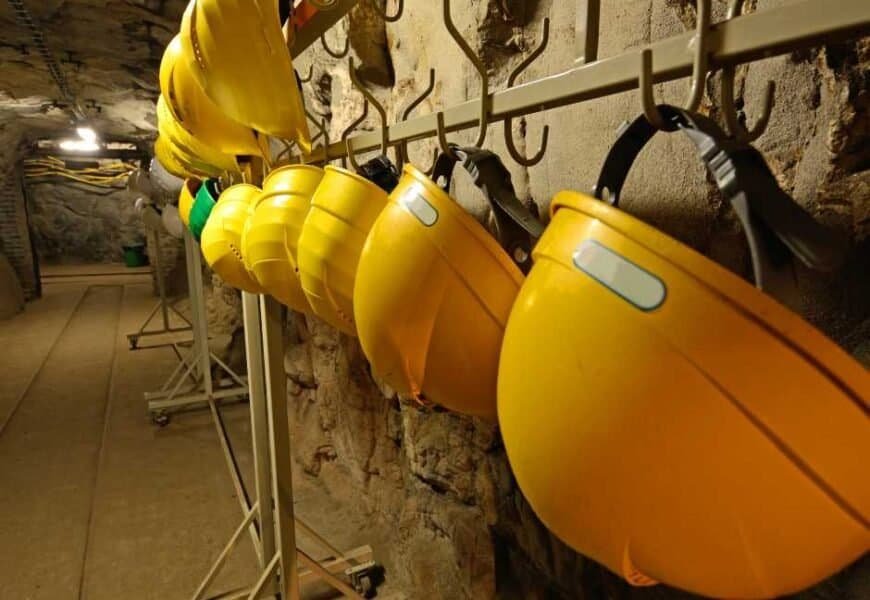
• Medical fitness, drug & alcohol testing, mining induction (site specific)
• Multi-trade skills or cross-discipline ability (for example electrical + instrumentation) increase value
Training providers in the region or nearby larger centres have courses tailored to remote site requirements. Candidates with remote-site experience, multiple tickets and roster history tend to be prioritised.
6. Lifestyle, Camps & Work-Life Realities
Camps in the North West vary from modern villages to basic remote modules. Some features:
• Private or semi-private air‐conditioned rooms, often ensuite
• Full board catering, recreation facilities, gym, satellite internet
• Transport provided (charter flights, bus transfers)
Life away from home demands resilience. Some factors:
• Long travel times — flights or road travel may be required before even arriving at site
• Isolation — social life is limited while on roster; workers must adapt to structured routines
• Climate extremes — high desert heat, remote terrain, limited access after hours
On the positive side: many workers use their roster off-time to return home, travel, or live elsewhere and use the region for income. For those with families willing to relocate, towns in the region can serve as regional bases.
7. Challenges & Considerations
While opportunities are strong, they come with trade-offs:
• Weather and remoteness can affect supply, travel and roster stability
• Some operations rely on fixed-term contracts or project-based work (especially exploration)
• Life away from home, isolation and roster fatigue are genuine issues — mental health and support systems matter
• The viability of some projects can change rapidly with commodity markets, meaning employment security varies
Understanding these realities ahead of time gives you the best chance of success.
8. Future Outlook (2026-2030)
The North West Minerals Province is heading into a new era. The region’s resource base is being reinvented for the immanent energy transition.
Key themes shaping the next five years:
• Critical-minerals development (vanadium, phosphate, high-purity alumina) aimed at battery manufacturing and export
• Major transmission and rail upgrades — linking inland mines to export ports and inland processing hubs
• Increase in automation, remote O&M (operations & maintenance) and digital monitoring of assets
• Growth of logistics, camp services and multi-trade roles as the infrastructure around mining grows
• Government investment pushing diversification away from single-commodity economies
For workers, this means: the demand won’t just be for mining operators but for multi-skilled technicians, controls specialists, maintainers and logistics/support staff who can operate in remote conditions and evolving technologies.
9. Conclusion: One of Australia’s Last Great Workfronts
Mount Isa and the North West Minerals Province are not for everyone. But for tradespeople, technicians and service staff willing to engage with roster life, remote access and the demands of outback work, the region offers rare advantages: high pay, job diversity, growth potential and a frontier lifestyle.
Whether you are a heavy-diesel mechanic rebuilding haul trucks, an instrumentation technician commissioning control systems, a safety advisor managing camp operations, or a camp support worker providing meals and services, this region rewards expertise, adaptability and durability.
If you’re considering the next step in a FIFO career and want to aim beyond the usual hubs, the North West may well be your strategic leap.