Townsville and North Queensland form one of Australia’s most dynamic and evolving regions for fly-in fly-out (FIFO) and drive-in drive-out (DIDO) work. Anchored by mining, defence, ports, and critical minerals, this northern corridor is transforming from a traditional export zone into a multi-industry hub powering Queensland’s next economic phase.
Unlike the remote camps of the Pilbara or Bowen Basin, Townsville offers something different. Here, heavy industry operates alongside a coastal city with schools, hospitals, universities, and tropical beaches. You can work a FIFO roster inland, yet return to a real home and lifestyle during your breaks.
1. Understanding the Region
North Queensland covers a vast territory stretching from Ayr and Charters Towers inland, across Mount Isa, and north toward Ingham, Georgetown, and the Gulf Country. Townsville sits at the centre of this geography, serving as the logistical and administrative capital for the region’s industries.
With a population of nearly 200,000, Townsville combines industrial infrastructure with coastal living. It has direct access to highways, rail, and ports, making it the primary launch point for FIFO and DIDO operations that service remote mines, processing facilities, and infrastructure projects.
Key Access Hubs:
- Townsville Airport (TSV): Handles daily commercial and charter flights to regional airstrips and mine sites.
- Port of Townsville: Expanding to support mineral exports, defence vessels, and hydrogen transport.
- Flinders Highway: Connects the coast to Charters Towers, Cloncurry, and Mount Isa.
- Bruce Highway: Links Townsville south to Mackay and north to Cairns.
This network allows Townsville-based workers to support both inland mining and coastal industries without having to live full-time in remote camps.
2. The Economic Drivers Behind FIFO Work
Townsville’s economy sits at the intersection of mining, logistics, energy, defence, and renewables. The result is a stable and diverse ecosystem that supports a wide range of FIFO and DIDO roles.
Mining and Minerals Processing
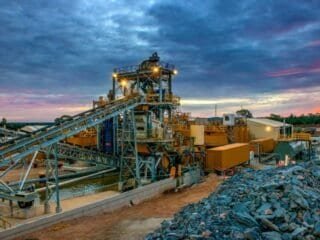
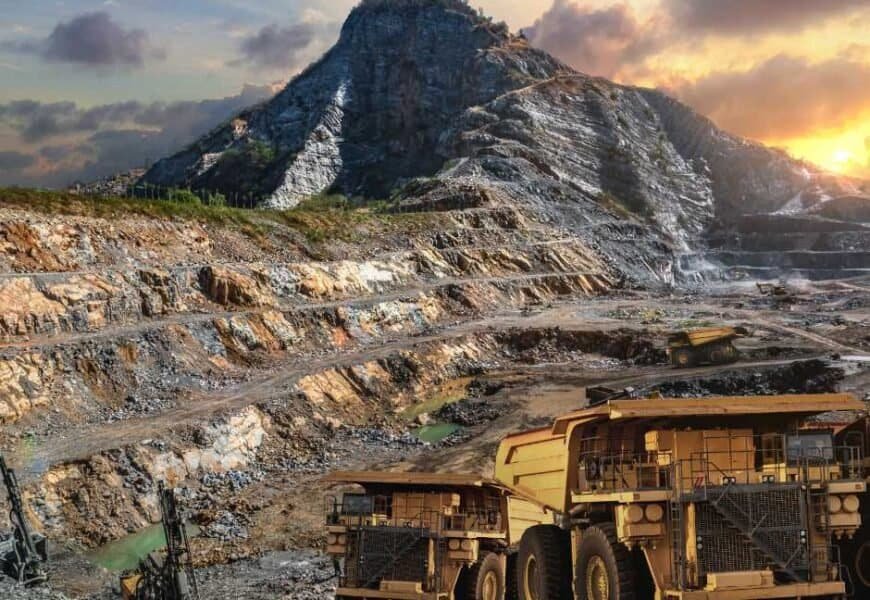
North Queensland is rich in copper, gold, zinc, and critical minerals such as cobalt and vanadium. The North West Minerals Province, stretching from Cloncurry to Mount Isa, employs thousands of FIFO workers each year.
Key Projects and Operations:
- Glencore Mount Isa Mines: Long-running copper, lead, and zinc operations with hundreds of FIFO maintenance and operations staff.
- Evolution Mining’s Ernest Henry Mine (near Cloncurry): One of the most productive copper-gold mines in the state.
- MMG Dugald River Mine: Focused on zinc and base metals, requiring skilled electricians, fitters, and process technicians.
- Ravenswood Gold Mine: Recently expanded and supported by FIFO crews from Townsville and Charters Towers.
Each of these projects depends on charter flights or long DIDO rotations managed from Townsville.
Critical Minerals and Energy Transition
Townsville is becoming the heart of Queensland’s critical minerals push. The city hosts manufacturing and battery-supply chain facilities connected to new vanadium, cobalt, and nickel mines inland.
Major developments include:
- Lansdown Eco-Industrial Precinct: A 2000-hectare site housing renewable hydrogen, battery, and mineral-processing plants.
- Australian Vanadium and CopperString 2032 Projects: Linking renewable energy to mining and manufacturing zones through new transmission lines.
- Sun Metals Refinery Expansion: Producing zinc and solar-powered industrial energy.
These initiatives are generating skilled employment for electricians, process engineers, automation technicians, and environmental officers — many on rotational or semi-FIFO arrangements.
Defence, Infrastructure, and Logistics
Townsville is home to one of Australia’s largest military bases, Lavarack Barracks, and the RAAF Base Townsville, both of which employ civilian contractors for maintenance, logistics, and construction. The city’s port upgrades and inland highway expansions are creating further opportunities in civil construction, transport, and marine operations.
Renewables and Emerging Energy
From Hughenden to Julia Creek, large-scale solar and wind projects are underway, many requiring temporary FIFO teams. Workers skilled in civil earthworks, electrical systems, and mechanical fitting are particularly in demand as renewable infrastructure expands across inland North Queensland.
3. Common FIFO and DIDO Jobs in North Queensland
The diversity of industries across the north creates a wide range of job categories.
Mining and Processing Roles:
- Diesel Fitters and Heavy Vehicle Mechanics
- Auto Electricians and Mobile Plant Technicians
- Boilermakers, Welders, and Pipefitters
- Process Plant Operators and Laboratory Technicians
- Electricians and Instrumentation Technicians
- Maintenance Planners and Supervisors
- Safety Officers and Environmental Monitors
Construction and Infrastructure Jobs:
- Civil Machine Operators and Concreters
- Surveyors and Project Engineers
- Road Construction Crews and Bridge Builders
- Electrical Linespeople and Telecommunications Installers
Renewables and Industrial Energy Roles:
- Wind and Solar Farm Technicians
- HV Electricians and Control Systems Specialists
- Environmental and Compliance Officers
- Commissioning Engineers and Project Managers
Support Services:
- Camp Managers and Utility Workers
- Chefs, Kitchenhands, and Cleaning Staff
- Truck Drivers, Storepersons, and Freight Coordinators
- Administration and Procurement Assistants
Key Employers:
- Glencore, Evolution Mining, MMG, Sun Metals, Downer, UGL, Fulton Hogan, Ventia, and Aurizon.
- Government and Defence contracts managed by Lendlease, Laing O’Rourke, and Thales.
These organisations recruit regularly for rotational contracts departing from Townsville.
4. Rosters, Pay, and Work Conditions
The region’s FIFO structure varies widely, depending on how remote the project is.
Typical Rosters:
- 7 days on / 7 off for nearby operations such as Ravenswood and Charters Towers.
- 14 days on / 7 off for inland projects in Cloncurry or Mount Isa.
- 21 days on / 7 off for deep outback or exploration teams.
- 8 days on / 6 off for local rail, port, or civil works.
Average Annual Salaries (2026):
- Camp or Utility Staff: $85,000 – $100,000
- Qualified Trades: $130,000 – $175,000
- Heavy Equipment Operators: $120,000 – $160,000
- Supervisors or Safety Advisors: $150,000 – $190,000
- Engineers and Technical Specialists: $180,000 – $250,000+
Allowances for travel, meals, and accommodation are standard, with many employers offering retention bonuses to counter labour shortages in remote areas.
Working Conditions:
Heat, humidity, and distance define the FIFO experience in the north. The region’s tropical climate requires strict hydration and fatigue management. Most sites provide air-conditioned control rooms, modern equipment, and comprehensive safety programs to maintain worker wellbeing.
5. Training, Inductions, and Compliance
North Queensland employers prioritise certified, safety-ready personnel. Most roles require workers to hold a combination of trade qualifications and short-course certifications.
Core Requirements:
- White Card (Construction Induction)
- Standard 11 Generic Mining Induction
- Working Safely at Heights (RIIWHS204E)
- Confined Space Entry (RIIWHS202E)
- Gas Test Atmospheres (MSMWHS217)
- High Risk Work Licence (EWP, Rigging, Cranes, or Forklift)
- First Aid and CPR
Recommended Extras:
- Hazardous Areas Electrical Certification
- HAZOP and Permit-to-Work Training
- Supervisory Leadership or Project Management Courses
- Cultural Awareness Training (for Indigenous partnership projects)
Training Providers:
- TAFE Queensland Townsville
- CQUniversity Townsville and Mount Isa Campuses
- Major Training Group North Queensland
Many employers partner with local institutions to provide refresher courses on fatigue management, environmental protection, and critical-minerals safety standards.
6. Lifestyle, Camps, and Community
Townsville’s appeal lies in its balance between urban living and remote adventure. FIFO workers can base themselves in a proper city with access to healthcare, schools, and entertainment while still earning outback wages.
Accommodation Options:
- FIFO and DIDO camps inland near Cloncurry and Mount Isa, featuring ensuite rooms, gyms, and full catering.
- Short-term worker villages near Charters Towers and Ravenswood for rotating crews.
- Townsville-based rentals or apartments for workers preferring DIDO or short-haul FIFO.
During time off, the region offers reef diving, mountain trails, fishing, and coastal getaways at Magnetic Island, Mission Beach, and Hinchinbrook Island. Many long-term FIFO staff relocate their families to Townsville for the blend of lifestyle and accessibility.
7. Challenges of Working in North Queensland
Despite its advantages, the region presents significant challenges.
- Climate: The wet season (November–April) brings high humidity, heavy rainfall, and cyclone risks, affecting transport schedules.
- Distance: Remote sites can be hundreds of kilometres inland, with limited medical access outside camp facilities.
- Isolation: Even seasoned FIFO workers must plan for the psychological impact of time away from home.
- Wildlife and Terrain: Remote roads often involve wildlife hazards, rough conditions, and limited communications.
Employers now offer mental health programs such as Mates in Mining and 24-hour counselling support lines. Teams also rotate workers between coastal and inland sites to reduce burnout.
8. The Future of FIFO in Townsville and North Queensland (2026–2030)
The next decade will see Townsville cement its role as northern Australia’s industrial engine. The transition from fossil fuels to renewables is creating new opportunities rather than eliminating old ones.
Major Developments on the Horizon:
- CopperString 2032 Transmission Project: Connecting Mount Isa to the coastal grid, creating thousands of civil, electrical, and logistics jobs.
- Lansdown Industrial Precinct Expansion: Adding hydrogen and battery manufacturing facilities.
- Port of Townsville Upgrade: Doubling capacity for minerals and renewable energy exports.
- Defence Base Upgrades: Increasing civilian and contractor roles in construction, maintenance, and logistics.
- Renewable Energy Zones: Large-scale solar and wind farms across Hughenden, Julia Creek, and Richmond.
These projects ensure strong demand for trades, engineers, safety specialists, and support crews. Townsville is not a boom-and-bust city; it is becoming the permanent capital of northern industry.
9. Conclusion: Where Industry Meets the Tropics
Townsville and North Queensland represent a different kind of FIFO experience — one that balances remote adventure with real urban living. You can weld under the outback sun one week and swim off Magnetic Island the next. You can work on a copper mine, then spend your break in a city that feels like home.
The region’s industrial depth, climate resilience, and long-term investment pipeline make it one of Australia’s safest bets for sustainable FIFO employment. For qualified tradespeople, engineers, and support staff, Townsville is not just a launch pad — it is the new frontier of balanced, high-value, northern Australian work.