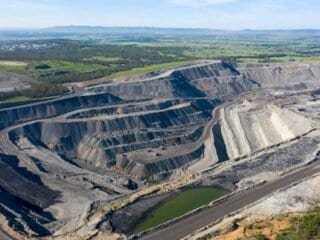
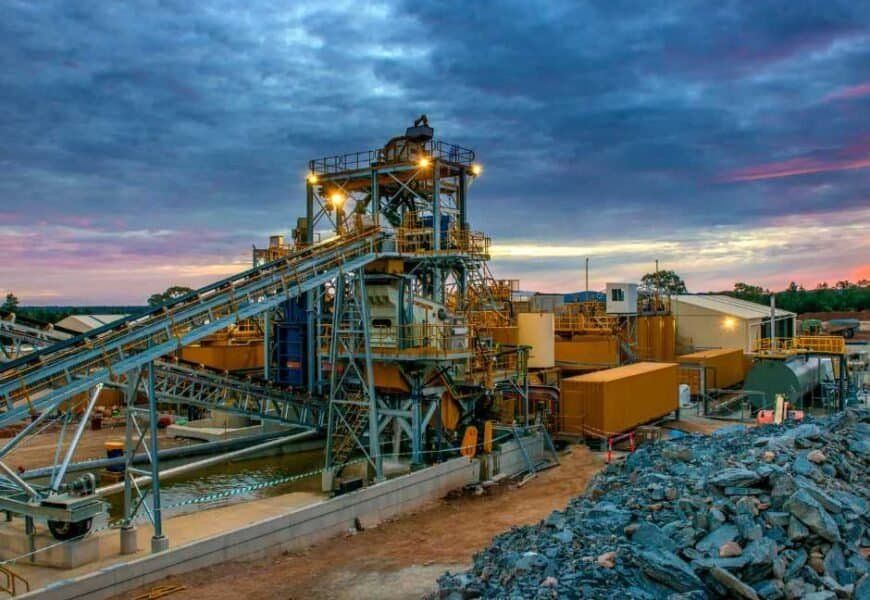
Mackay and the Whitsundays sit at the heart of Queensland’s northern industrial corridor, balancing heavy industry with coastal lifestyle. This region connects the mining belts of the Bowen Basin with major export ports, creating a unique mix of fly-in fly-out (FIFO), drive-in drive-out (DIDO), and local workforce opportunities.
For tradespeople, engineers, and operators, Mackay is one of the most strategic bases in Australia. It provides direct access to mine sites inland, refineries and ports on the coast, and renewable and marine projects that are reshaping Queensland’s energy map.
The Whitsundays, however, play a very different role. Known primarily for tourism and marine services, the area offers limited FIFO options, with most industrial work centred around nearby Bowen and Abbot Point.
Important Disclaimer: The Reality of FIFO in the Whitsundays
The Whitsundays are not a major FIFO hub in the traditional sense. Most FIFO work advertised for this region actually refers to positions based near Bowen, Collinsville, or Abbot Point, rather than on the islands or Airlie Beach itself.
While the Whitsundays region contributes indirectly to the resource economy through port logistics, construction, and marine operations, it does not have large mining camps or long-term FIFO villages.
However, its proximity to Mackay and the Bowen Basin means many workers choose to live in the Whitsundays and commute to inland or coastal projects. DIDO arrangements and short-haul FIFO flights from Mackay Airport make this lifestyle increasingly attractive for those seeking both income and coastal living.
1. Geography and Access
Mackay lies about halfway between Rockhampton and Townsville, with the Whitsundays roughly 100 kilometres north. Together, they form a coastal and inland network serving mining, shipping, energy, and construction.
Key Transport and Access Points:
- Mackay Airport (MKY): One of Queensland’s busiest regional hubs for FIFO operations. Daily charter flights connect to Moranbah, Dysart, Emerald, and other mine towns.
- Proserpine Airport (PPP): Serves Whitsunday Coast and Bowen area workers with flights from Brisbane, Cairns, and Townsville.
- Abbot Point Port: Northern export hub near Bowen, handling coal shipments from the Bowen Basin.
- Bruce Highway: Main road linking Mackay, Proserpine, and Bowen to inland mine sites.
The combination of port access, regional airports, and industrial corridors makes Mackay the natural home base for FIFO operations servicing the entire Central and North Queensland mining network.
2. Regional Industries and Employment Drivers
The Mackay–Whitsundays region thrives on a blend of mining, logistics, marine, and construction activity.
Mining Support and Maintenance
Mackay is often called the “service capital” of the Bowen Basin. It houses workshops, fabrication yards, and supply depots that support more than 40 mine sites inland.
Major Mining Employers and Contractors:
- BHP Mitsubishi Alliance (BMA) – Daunia, Goonyella, Peak Downs, Saraji.
- Glencore – Newlands and Collinsville coal operations.
- Stanmore Resources – Poitrel and Isaac Plains.
- Thiess, Downer, and Macmahon – ongoing shutdown and maintenance contractors.
- Hastings Deering, Komatsu, and Hitachi – heavy equipment servicing and rebuild centres.
Most workers employed through Mackay work inland, commuting to mine sites on rotational rosters.
Ports, Logistics, and Shipping
The region’s export infrastructure rivals that of Gladstone.
- Hay Point Coal Terminal and Dalrymple Bay Coal Terminal (DBCT) are among the largest coal export facilities in the world.
- Both ports employ marine engineers, electricians, instrumentation technicians, and environmental specialists.
- The terminals are supported by Aurizon rail networks, with workshops in Mackay handling locomotives and rolling stock maintenance.
Construction and Renewables
New investment in energy diversification is emerging:
- Bowen Renewable Energy Hub and Whitsunday Solar Farm are expanding the renewable footprint.
- Mackay Ring Road and Port Access Upgrade projects are employing hundreds of civil operators and tradespeople.
- Hydrogen export trials at Abbot Point and Hay Point are creating new technical roles in process engineering and safety.
Tourism and Marine Services
While not typically FIFO, the Whitsundays’ tourism and maritime industries offer seasonal contracts that sometimes overlap with rotational work.
- Marine maintenance companies servicing vessels from Airlie Beach and Hamilton Island employ tradespeople on fly-in short-term maintenance jobs.
- Construction and refurbishment crews for island resorts occasionally operate under project-based FIFO arrangements.
3. Common FIFO and DIDO Jobs in the Region
Mining and Heavy Industry Roles:
- Heavy Diesel Mechanics and Plant Fitters
- Boilermakers, Welders, and Fabricators
- Electricians and Instrumentation Technicians
- Riggers, Scaffolders, and Crane Operators
- Process Operators and Mechanical Supervisors
Port and Rail Operations:
- Electrical and Mechanical Maintenance Technicians
- Marine Fitters and Dockside Engineers
- Rail Track Workers, Signalling Technicians, and Freight Coordinators
- Environmental Monitoring and Safety Advisors
Renewables and Construction:
- Civil Machine Operators and Concreters
- Electrical Fitters for Solar Farms and Substations
- Project Engineers and Quality Inspectors
- Environmental and Land Access Officers
Support Services:
- Utility Staff, Kitchenhands, and Camp Cleaners
- Truck Drivers and Supply Chain Coordinators
- Administrative and Procurement Staff
4. Typical Rosters and Pay Levels
Rosters vary widely between inland mining, port operations, and coastal infrastructure.
Common Rosters:
- 7 on and 7 off for mine maintenance and production crews.
- 8 on and 6 off for port, workshop, and rail operations.
- 2 weeks on and 1 week off for civil construction projects.
- Monday to Friday for local and DIDO workers.
Average Annual Salaries (2026):
- Utility or Support Staff: $85,000 to $100,000
- Trades (Electrical, Diesel, Mechanical): $130,000 to $170,000
- Supervisors or Safety Officers: $160,000 to $200,000
- Engineers and Technical Specialists: $180,000 to $240,000
Marine and port roles often include allowances for shift work, heat, or hazard pay, making coastal contracts particularly competitive.
5. Training and Certification Requirements
All workers in the Mackay and Whitsundays region must maintain standard mining or construction safety qualifications.
Essential Certifications:
- White Card (Construction Induction)
- Standard 11 Generic Mining Induction
- Confined Space Entry (RIIWHS202E)
- Working Safely at Heights (RIIWHS204E)
- Gas Test Atmospheres (MSMWHS217)
- High Risk Work Licence (EWP, Dogging, Rigging, Cranes)
- First Aid and CPR
Local Training Providers:
- CQUniversity Mackay City Campus
- Major Training Group Mackay
- Mackay Safety Training (MST)
- TAFE Queensland Whitsunday Campus (Cannonvale)
These centres also provide hydrogen readiness, marine safety, and electrical hazard training specific to port and renewables work.
6. Lifestyle, Camps, and Accommodation
Most workers in this region enjoy better accommodation than in remote FIFO operations. Mackay offers urban living, while the Whitsundays provide a coastal alternative.
Accommodation Options:
- Mining Villages: Civeo and Morris-managed camps near Moranbah and Coppabella.
- Mackay City Housing: Short-term rentals for DIDO and workshop staff.
- Bowen and Abbot Point Villages: Coastal accommodation for port or renewables staff.
- Whitsundays Hotels and Apartments: Used for short-term FIFO tourism or marine work.
During time off, workers can explore Airlie Beach, Hamilton Island, or Eungella National Park. The region’s combination of income and lifestyle attracts workers transitioning from long-term remote FIFO to semi-local arrangements.
7. Challenges and Realities
While Mackay’s FIFO network is strong, the Whitsundays’ employment base remains limited. High living costs and tourism-driven housing demand can make relocation expensive.
Extreme weather is another consideration. Cyclone season between November and April affects marine operations, port logistics, and some inland transport routes. Workers must remain flexible during temporary shutdowns or travel restrictions.
Despite these challenges, the area’s infrastructure, hospitals, and services far exceed what is found in remote mining camps. For many, the trade-off is worthwhile.
8. Future Outlook (2026–2030)
The Mackay and Whitsundays region is entering a major growth phase, anchored by diversification and technology.
Key Projects in Development:
- Bowen Hydrogen Hub, focusing on renewable hydrogen production and export.
- Abbot Point Expansion, improving coal and future hydrogen export capacity.
- Hay Point Port Efficiency Upgrades by DBCT.
- Mackay Offshore Wind and Solar Integration Studies, trialling renewable hybrids.
- Whitsunday Islands Infrastructure Renewal Projects, generating short-term FIFO construction work.
As the resource sector gradually integrates with renewables and coastal logistics, Mackay will remain the primary employment anchor while the Whitsundays evolve as a lifestyle and tourism support zone with occasional project-based FIFO activity.
9. Conclusion: Coastal Industry Meets Inland Power
Mackay and the Whitsundays represent the meeting point of two worlds — the rugged, dust-covered mining inland and the clear blue waters of the Coral Sea. It is the only region in Australia where a worker can finish a roster underground on Friday and be on a boat at Whitehaven Beach by Saturday.
The region’s strength lies in its diversity. Mining, shipping, construction, and renewables are merging into a stable, year-round employment system. Mackay continues to drive the heavy industry economy, while the Whitsundays provide the lifestyle magnet that keeps workers close to home.
For electricians, fitters, crane operators, or marine technicians seeking high-paying jobs without complete isolation, this part of Queensland offers one of the most balanced FIFO pathways in Australia.