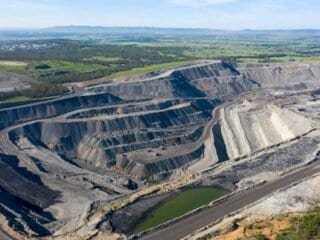
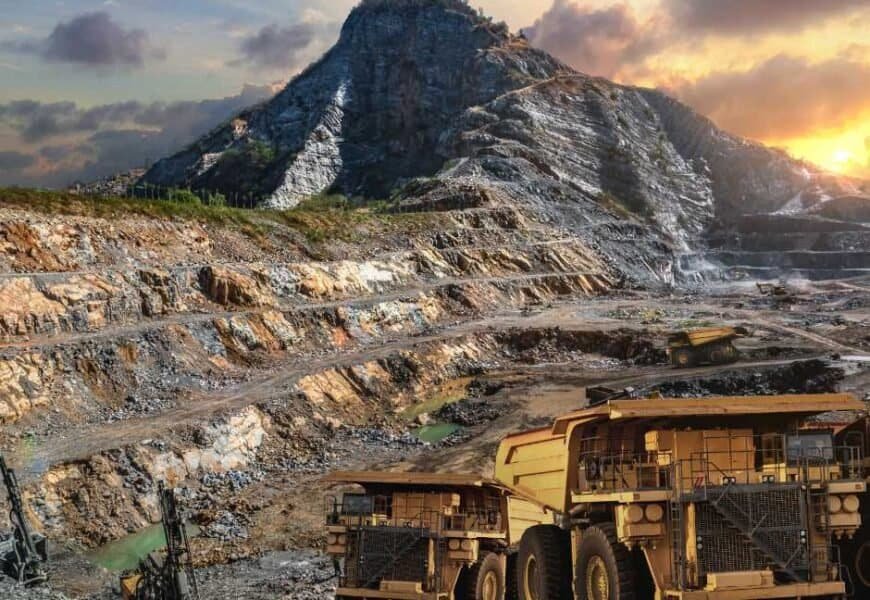
Far North Queensland and Cape York are the frontier of Australia’s FIFO world. This is where rainforest meets red dust, where bauxite mines overlook the Coral Sea, and where isolated airstrips serve as lifelines for communities and worksites hundreds of kilometres from the nearest city.
Working FIFO here is not just about pay; it is about resilience. Every day tests logistics, safety systems, and human endurance. Yet for those willing to live and work at the edge of Australia, Far North Queensland offers some of the most rewarding, well-paid, and culturally rich experiences in the country.
In 2026, the region employs thousands of FIFO and DIDO workers across bauxite, gold, copper, infrastructure, and renewable energy. It also plays a growing role in environmental management, Indigenous land projects, and regional development.
Geography and Access
Far North Queensland covers an enormous territory stretching from Cairns and the Atherton Tablelands up through Cooktown, Weipa, and into the tip of Cape York. It includes dense tropical forests, remote coastal plains, and mineral-rich inland plateaus.
Access is challenging but improving. Cairns International Airport is the main gateway, serving as a launch point for flights to smaller hubs such as Weipa, Cooktown, Normanton, and Horn Island. Workers heading to mining or infrastructure projects often transfer to charter flights operated by companies like Skytrans or Alliance Airlines, landing on gravel strips in the Cape’s interior.
Key FIFO Hubs and Transit Points:
- Cairns: Primary mobilisation base, training centre, and recruitment hub.
- Weipa: The beating heart of Cape York mining and logistics.
- Cooktown: Access point for infrastructure and environmental projects.
- Horn Island and Bamaga: Northernmost logistical hubs, supporting Torres Strait and community developments.
Road access is seasonal. During the wet season (November to April), flooding and tropical storms can close key routes, making air transport essential.
Industries Driving FIFO Employment
While the population in the far north is sparse, the scale of industry is vast. Mining remains dominant, but defence, renewables, and environmental restoration are rapidly expanding sectors.
Bauxite and Aluminium Mining
Cape York’s west coast hosts one of the world’s richest bauxite deposits. The region’s flagship employer is Rio Tinto Weipa Operations, which runs the Andoom and Amrun mines.
- These operations produce millions of tonnes of bauxite each year, shipped directly from Weipa’s port to Gladstone’s refineries.
- The Amrun mine alone supports more than 1,400 workers, including contractors for maintenance, dredging, and marine logistics.
- Roles include heavy diesel fitters, plant operators, mechanical and electrical trades, dredge technicians, and port facility staff.
Rio Tinto’s Indigenous partnership programs, including the Western Cape Communities Co-Existence Agreement (WCCCA), ensure strong collaboration with Traditional Owners, creating additional employment in training, environmental monitoring, and cultural heritage work.
Gold, Copper, and Critical Minerals
Far North Queensland’s inland and Gulf Country are rich in minerals beyond bauxite.
- Evolution Mining’s Mt Carlton and Mt Rawdon sites continue to employ FIFO trades and process technicians.
- CopperString 2032, the major transmission project connecting Townsville to the northwest mineral corridor, is driving demand for civil operators, electricians, and logistics staff.
- New exploration in Coen, Chillagoe, and Georgetown is uncovering deposits of copper, cobalt, and rare earths essential for renewable technologies.
Infrastructure and Renewables
A new wave of renewable projects is reshaping Far North Queensland’s economy:
- Kaban Green Power Hub near Atherton combines wind, solar, and battery storage.
- Aurukun Renewable Integration Project supports remote communities transitioning from diesel power to microgrids.
- Northern Peninsula Road Upgrade and Peninsula Development Road Sealing Projects provide consistent civil and engineering work, supported by Fulton Hogan, BMD, and Downer.
Defence and Government Projects
The federal government’s Northern Australia Infrastructure and Defence Strategy includes airbase and radar upgrades in Weipa, Scherger, and the Torres Strait, creating work for electricians, mechanics, and security contractors.
Types of FIFO Jobs Available
The variety of industries brings a wide mix of roles, both technical and operational.
Mining and Processing Jobs:
- Heavy Diesel Fitters and Mobile Plant Mechanics
- Auto Electricians and Boilermakers
- Process Technicians and Laboratory Assistants
- Mine Surveyors, Geologists, and Drillers
- Maintenance Planners and Supervisors
Infrastructure and Civil Construction Jobs:
- Grader, Dozer, and Excavator Operators
- Civil Labourers, Formwork Carpenters, and Concreters
- Electrical Linespeople and Telecommunications Technicians
- Safety Officers and Environmental Advisors
Renewable Energy and Utilities Jobs:
- Electricians and Instrumentation Technicians
- Wind and Solar Maintenance Teams
- Water Treatment and Power System Operators
- Project Engineers and Technologists
Support and Community Jobs:
- Camp Managers and Utility Workers
- Kitchenhands and Chefs
- Logistics, Procurement, and Supply Chain Staff
- Indigenous Ranger Program Staff and Environmental Monitors
Major Employers in the Region:
- Rio Tinto (Weipa and Amrun Operations)
- Evolution Mining, MMG Dugald River, CopperString 2032, Fulton Hogan, Downer, Ventia, UGL, and BMD Group.
- Government and Defence Contractors: Lendlease Defence, Laing O’Rourke, and Thales Australia for infrastructure and maintenance.
Camp Life and Living Conditions
Camps in Far North Queensland are a mix of coastal villages, inland compounds, and temporary modular setups. Conditions range from resort-standard near Weipa to minimal facilities in exploration zones.
Typical Amenities:
- Private rooms with air-conditioning and ensuite bathrooms
- High-quality meals with fresh produce flown in weekly
- Gyms, recreation halls, and internet access
- Shaded outdoor seating and community gardens for relaxation
- Satellite medical and emergency services
The Amrun Village, for instance, is among the best-equipped in Australia, with a swimming pool, basketball courts, and an on-site medical centre. In smaller or mobile camps, facilities are more modest but functional.
Climate is a major factor. Humidity often exceeds 80 percent, and wet-season storms can isolate camps for days. However, camaraderie among crews and close-knit camp culture make the lifestyle surprisingly positive.
Rosters, Pay, and Travel
Far North Queensland operates on a blend of FIFO and DIDO systems depending on remoteness.
Typical Rosters:
- 2 weeks on and 2 weeks off for mining operations in Weipa and Amrun.
- 3 weeks on and 1 week off for remote civil or exploration projects.
- 8 days on and 6 off for local maintenance roles or short-contract construction work.
Average Annual Earnings (2026):
- Utility or Camp Support Worker: $90,000 to $110,000
- Qualified Trades (Electrical, Mechanical, Fitting): $140,000 to $180,000
- Supervisors or Safety Officers: $160,000 to $200,000
- Engineers, Project Managers, and Senior Specialists: $200,000 to $260,000 and above
Flights, accommodation, meals, and transfers are almost always included. Charter flights are frequent between Cairns and Weipa, and most employers schedule travel during paid time.
Training, Safety, and Inductions
Safety standards in the far north are extremely strict due to isolation and the tropical environment. Every worker must hold current qualifications before mobilisation.
Essential Requirements:
- White Card (Construction Induction)
- Standard 11 Generic Mining Induction
- Confined Space Entry (RIIWHS202E)
- Working at Heights (RIIWHS204E)
- Gas Test Atmospheres (MSMWHS217)
- First Aid and CPR
- High Risk Work Licence (Rigging, Dogging, EWP, Cranes)
Many employers also require Cultural Awareness Training, particularly when working on or near Indigenous-owned land.
Local training providers include CQUniversity Cairns, Major Training Group, and TAFE Queensland Far North, offering short courses tailored to regional compliance.
Lifestyle, Community, and Culture
The FIFO lifestyle in Cape York has its own rhythm. Workers often describe the experience as remote but meaningful. The scenery is spectacular, and the sense of teamwork strong.
Weipa is the social centre of the region, offering cafés, fishing clubs, and small shopping centres. Recreational fishing, camping, and four-wheel driving are the main pastimes. Coastal towns such as Cooktown and Port Douglas attract FIFO families during breaks due to easy travel and quality accommodation.
The relationship with Indigenous communities defines much of the region’s identity. Many projects operate under land-use agreements that include employment and training commitments for Traditional Owners. Programs like Western Cape College Apprenticeships and Indigenous Ranger Initiatives are providing career pathways in environmental and cultural heritage work.
This cultural collaboration adds depth to the FIFO experience, turning ordinary resource work into a shared story of development and respect.
Challenges of Working in the Far North
Isolation and climate are the two biggest challenges. The wet season can cut off supply routes, and airstrips sometimes close due to flooding. Communication technology is improving, but internet reliability in remote camps remains limited.
Medical services are available but require precise planning. All major sites have trained first responders, defibrillators, and telehealth links to Cairns Base Hospital.
The heat and humidity also test endurance. Hydration, rest, and mental wellbeing are as important as technical skill. Many employers now rotate staff between coastal and inland sites to prevent fatigue and burnout.
Future Outlook (2026–2030)
Far North Queensland is emerging as a vital link in Australia’s energy and resource strategy. Bauxite exports will remain steady, but new projects in hydrogen, copper, and critical minerals are changing the region’s economy.
Expected Developments:
- Rio Tinto Amrun Expansion Program adding new processing capacity.
- CopperString 2032 Power Transmission Line, connecting renewable power from Townsville to the northwest.
- Queensland Government Remote Community Energy Projects, installing solar microgrids across Cape York and Torres Strait.
- Defence Upgrades at RAAF Base Scherger, supporting northern security operations.
Over the next five years, more than 4,000 new skilled positions are expected across trades, logistics, renewables, and community infrastructure.
The region’s diversity — spanning heavy industry, cultural land management, and renewable energy — ensures long-term employment security for FIFO professionals.
Conclusion: The Frontier of Australia’s Workforce
Working FIFO in Far North Queensland is unlike anywhere else in the country. It combines isolation and natural beauty, hard labour and cultural connection, modern industry and ancient land.
From the air, the region looks endless — red dirt blending into mangrove-lined rivers and turquoise sea. On the ground, it is a place of dust, humidity, and teamwork. The people who work here are problem solvers, technicians, and adventurers rolled into one.
For electricians fixing generators in Weipa, mechanics maintaining haul trucks at Amrun, or environmental officers monitoring Cape waterways, this region offers more than a paycheck. It offers purpose.
Far North Queensland and Cape York stand as Australia’s true frontier of FIFO life — remote, demanding, and absolutely unforgettable.