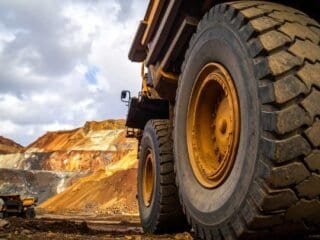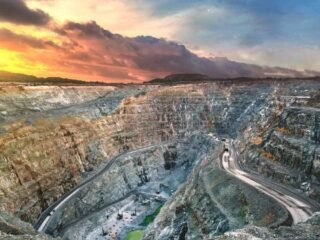
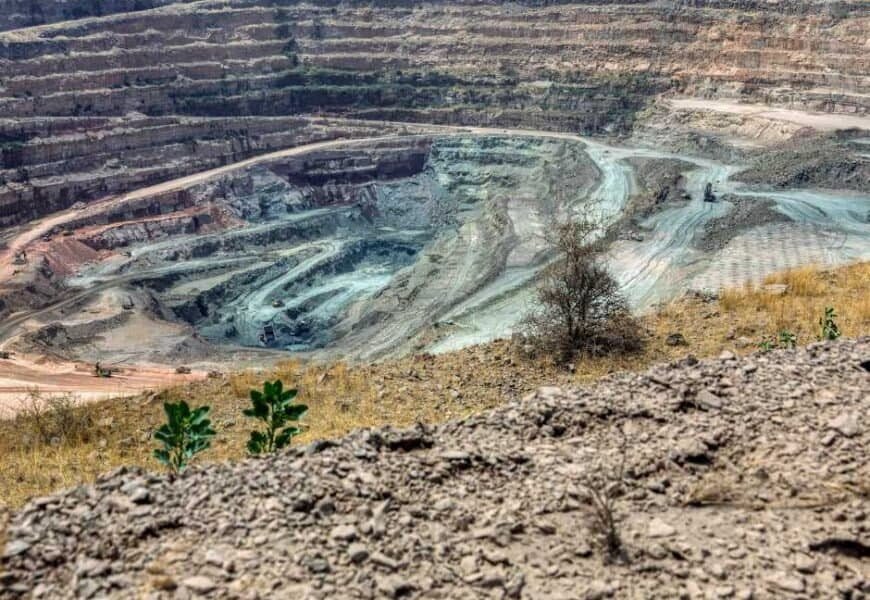
Western Australia is the beating heart of Australia’s FIFO system. Stretching from the red deserts of the Pilbara to the lithium-rich forests of the South West, WA employs more fly-in fly-out workers than any other region in the nation. The combination of world-class mineral deposits, global demand for critical resources, and a sophisticated logistics network has created an entire economy built on rotation work.
In 2026, the FIFO sector in WA employs over 120,000 workers across mining, energy, and infrastructure. The state contributes more than $230 billion annually to national export revenue, and nearly every one of those dollars depends on remote operations supported by FIFO personnel.
This guide explains everything: where the jobs are, which industries dominate, what life is like on site, how to qualify, and what the future looks like for those seeking to build a life in one of Australia’s most lucrative work systems.
1. Key FIFO Regions and Towns in Western Australia
Understanding the Geography of FIFO Work
WA’s landmass is vast — almost one-third of the entire Australian continent — and that distance defines FIFO life. Most workers live in Perth or along the southwest coast and fly into remote sites on charter flights that can take up to three hours each way. Knowing the main work regions helps jobseekers understand the lifestyle, climate, and conditions before committing to a roster.
The Pilbara: The Powerhouse of Iron Ore
The Pilbara is the global capital of iron ore mining. Towns such as Port Hedland, Karratha, Newman, and Tom Price are surrounded by operations belonging to BHP, Rio Tinto, and Fortescue Metals Group. Each mine can employ thousands of workers at a time, supported by purpose-built camps that resemble small cities.
Key projects include:
- BHP South Flank Mine, producing over 80 million tonnes annually.
- Rio Tinto Gudai-Darri, one of the most automated mines in the world.
- FMG Iron Bridge, blending mining with advanced processing.
Goldfields–Esperance: The Legacy of Gold Mining
Centered on Kalgoorlie-Boulder, this region is Australia’s longest-running mining area. Underground operations, such as Northern Star’s KCGM Super Pit, provide stable work for fitters, electricians, drillers, and mill operators. The Goldfields also has growing nickel and lithium projects around Kambalda and Widgiemooltha, feeding the battery supply chain.
Mid West and Gascoyne: The Emerging Frontier
From Geraldton to Meekatharra, mid-sized operations are expanding, focusing on rare earth elements and hydrogen. The Oakajee Hydrogen Hub near Geraldton is forecast to employ hundreds of technicians, engineers, and tradespeople.
South West and Peel: Lithium and Energy Growth Corridors
Closer to Perth, towns like Greenbushes, Collie, and Bunbury are now hubs for lithium processing and renewable energy infrastructure. Many workers in this region do DIDO (Drive In Drive Out) rosters instead of FIFO.
2. Major Industries and Projects Driving Employment
Why Industry Diversity Matters
Western Australia’s FIFO economy is unique because it’s not just mining — it’s a network of overlapping industries: minerals, oil and gas, renewables, and civil construction. This diversity ensures that when one sector slows, another expands.
Mining and Resources
Mining remains the state’s economic core. Iron ore and gold dominate production, but lithium, nickel, and copper are quickly expanding.
Major Employers and Operations:
- BHP: South Flank, Yandi, and Newman operations.
- Rio Tinto: Hope Downs, Paraburdoo, and West Angelas.
- Fortescue Metals Group (FMG): Cloudbreak, Solomon, and Christmas Creek.
- Northern Star Resources: Kalgoorlie and Jundee.
- Pilbara Minerals and Talison Lithium: Greenbushes and Wodgina lithium mines.
Oil, Gas, and LNG
Offshore and onshore energy infrastructure continues to offer stable FIFO work. Roles exist in maintenance, safety, scaffolding, and instrumentation.
Key Projects:
- Woodside Pluto LNG Expansion near Karratha.
- Chevron Gorgon Project on Barrow Island.
- INPEX Ichthys Onshore Processing Facility near Darwin, supporting WA logistics.
Renewables and Hydrogen
The future of FIFO employment in WA includes large-scale renewable and hydrogen production. Projects like the Asian Renewable Energy Hub, Hydrogen Park WA, and Collie Battery Hub are pioneering clean-energy infrastructure that still relies on mechanical, electrical, and civil trades.
Construction and Civil Infrastructure
Massive investment in rail, port, and airport upgrades keeps civil construction companies like Downer, CPB Contractors, and Monadelphous continuously hiring. These jobs are ideal entry points for carpenters, concreters, and machine operators transitioning into FIFO work.
3. Common FIFO Roles Across Western Australia
Why WA Offers Opportunities for Every Trade
Because of its project scale, WA employs more types of FIFO workers than any other state. From camp cooks to engineers, the range of roles is unmatched.
Top Trade and Technical Positions:
- Electricians and Instrumentation Technicians: Maintain plant systems, lighting, and automation.
- Heavy Diesel Mechanics and Fitters: Repair haul trucks, drills, and processing machinery.
- Boilermakers and Welders: Work on structural fabrication and shutdowns.
- Plumbers and Water Technicians: Maintain potable and wastewater systems.
- Carpenters and Maintenance Workers: Keep camps and facilities in top condition.
- Riggers, Crane Operators, and Dogmen: Manage heavy lifts during construction.
Support and Service Roles:
- Utility Workers and Cleaners for camp upkeep.
- Chefs and Kitchenhands providing high-volume catering.
- Bus Drivers, Storepersons, and Logistics Staff moving people and supplies.
- Safety Officers and Environmental Technicians ensuring compliance.
Every mine and energy site requires both operational trades and service personnel to sustain daily life.
4. Rosters, Salaries, and Lifestyle in WA FIFO
Why Rosters Define the FIFO Lifestyle
Rosters determine your income, work–life balance, and mental wellbeing. In WA, they vary by project type and contractor, but the 2:1 pattern dominates.
Common Rosters:
- 2:1 (14 days on, 7 off): Standard for mining and maintenance.
- 3:1 (21 days on, 7 off): Common in construction or shutdowns.
- 8:6 or 9:5: More balanced options, typical in hospitality or camp management.
Typical Salaries (2026 Estimates)
| Role | Annual Salary | Roster | Notes |
|---|---|---|---|
| Utility / Camp Worker | $90,000–$110,000 | 2:1 or 8:6 | Entry-level, accommodation and meals included |
| Trade Assistant | $100,000–$130,000 | 2:1 | Supports qualified trades |
| Qualified Tradesperson | $140,000–$180,000 | 2:1 | Electricians, fitters, plumbers |
| Safety Officer / Supervisor | $160,000–$190,000 | 2:1 or 4:2 | Includes leadership and reporting duties |
| Site or Project Manager | $200,000–$250,000 | 4:2 | Oversees operations, logistics, and personnel |
Lifestyle Overview
FIFO camps in WA are some of the best equipped in the world. Workers enjoy private rooms, gyms, pools, entertainment areas, and restaurant-style dining. However, isolation and heat are constant challenges. Temperatures often exceed 40°C, and dust storms are common. Most companies now provide mental health programs, sports facilities, and structured rest schedules to keep morale high.
5. Required Qualifications, Licences, and Inductions
Why Compliance Is Crucial in WA
Safety and regulation are at the core of every site. Without the right tickets, you cannot access most operations.
Essential for All Workers:
- White Card (CPCWHS1001).
- Working Safely at Heights (RIIWHS204E).
- Confined Space Entry (RIIWHS202E).
- Manual Handling and First Aid Certificates.
- Site-specific inductions, such as BHP GO Safe or Rio Tinto Fit for Work.
Trade-Specific Requirements:
- Electrical Licence issued by WA EnergySafety.
- High-Risk Work Licence (EWP, Forklift, Rigging, Dogging).
- Plumbing, Gas Fitting, or Refrigeration endorsements.
- Current National Police Check and Drug & Alcohol Clearance.
Recommended Extra Training:
- Mental Health First Aid.
- Supervisor and Team Leadership Courses.
- Environmental Awareness and Hazard Management.
The Department of Mines, Industry Regulation and Safety (DMIRS) maintains and audits most safety records across WA.
6. Living and Working Conditions in WA Camps
What Daily Life Really Looks Like
Most new FIFO workers imagine dusty camps and isolation, but the modern reality is closer to a remote resort. Yet, discipline and structure define every hour.
Camp Features:
- Private, air-conditioned rooms with ensuite bathrooms.
- Wi-Fi, TV, and laundry facilities.
- 24-hour gyms, sports courts, swimming pools, and cinemas.
- High-quality meals catering to multiple dietary needs.
Daily Routine:
- 4:30–5:00 am: Breakfast and pre-start safety meetings.
- 6:00 am–6:00 pm: 10- to 12-hour workday including breaks.
- Evenings: Gym, dinner, relaxation, or site training.
Rules are strict. Alcohol is often restricted, and every camp has zero-tolerance policies for drugs or misconduct. Workers must complete fatigue and hydration checks daily during summer months.
7. Travel, Flights, and Logistics
Understanding the FIFO Travel Network
WA’s FIFO system operates like a military-level logistics machine. The majority of workers fly from Perth’s dedicated FIFO terminals, which handle thousands of passengers weekly.
Common Flight Routes:
- Perth → Newman (BHP, FMG)
- Perth → Port Hedland (Rio Tinto, Roy Hill)
- Perth → Karratha (Woodside, INPEX)
- Perth → Paraburdoo and Tom Price (Rio Tinto)
- Perth → Kalgoorlie (Northern Star, Evolution)
Travel times range between 90 minutes and 2.5 hours. Employers generally provide flights, ground transport, meals, and accommodation. Most rotations include both travel days within paid time.
Tip: Many workers base themselves in Mandurah or Bunbury to enjoy coastal living while maintaining access to FIFO flights from Perth.
8. Lifestyle, Family, and Mental Health
The Human Side of FIFO
Life away from home is rewarding but demanding. Extended rosters and physical work can affect relationships and wellbeing. The WA industry has made major progress in addressing this through mental health initiatives.
Support Programs:
- Mates in Mining peer-support networks.
- Beyond Blue partnerships for remote workers.
- On-site wellness teams, psychologists, and chaplains.
- Family liaison officers to help with travel and rosters.
Many companies now offer flexible swing options or family-friendly rosters. Workers are encouraged to maintain communication routines, such as nightly video calls, journaling, and physical exercise, to manage isolation.
9. The Future of FIFO Work in Western Australia (2026–2030)
Why WA’s Future Remains Bright
Resource demand is shifting, not slowing. Iron ore and LNG will remain key exports, while lithium, nickel, and hydrogen will define the next decade.
Major Upcoming Projects:
- Greenbushes Lithium Expansion (Talison Lithium).
- Albany and Geraldton Hydrogen Hubs.
- BHP Port Hedland Expansion.
- FMG Iron Bridge Production Ramp-Up.
- Collie Renewable Energy Transition Program.
By 2030, renewable and hydrogen operations are expected to create 30,000 additional FIFO jobs, particularly for electricians, mechanical technicians, and environmental staff. WA’s role as a global energy exporter ensures steady opportunities for both experienced and entry-level workers.
10. Conclusion: The State That Never Stops Building
Western Australia’s FIFO system is more than a job pipeline — it is a way of life that defines modern resource development. The people who fly in and out every few weeks keep Australia’s economy running.
Whether you’re a young apprentice seeking your first site role or a senior tradesperson looking for career stability, WA offers unmatched opportunity, infrastructure, and pay. In 2026, the combination of major projects, innovation, and safety standards makes this state the best place in the world to build a future in FIFO work.
Next Steps:
- How to Get a FIFO Job in Australia (2026 Guide)
- FIFO Mental Health and Family Support Guide
- Top Training and Safety Courses for FIFO Workers
- FIFO Jobs in Queensland (2026 Guide)