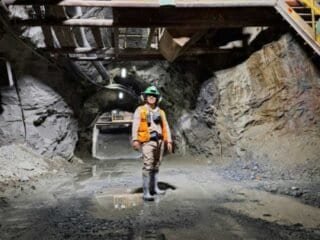

Every structure in a mining camp or remote energy project — from dorm rooms to dining halls — exists because of skilled carpenters. These tradespeople travel thousands of kilometres from home to build and maintain the infrastructure that allows operations to run smoothly in Australia’s harshest environments.
FIFO Carpenters don’t just construct; they preserve safety, comfort, and efficiency across entire sites. As 2026 brings new renewable energy hubs, mining expansions, and government infrastructure projects, the demand for reliable tradespeople has reached record levels.
This comprehensive guide explains how the role works, what qualifications are required, where the jobs are, and how you can turn carpentry into a long-term FIFO career.
1. The Role of a FIFO Carpenter and Building Maintenance Worker
Introduction to the Role
A FIFO Carpenter is a versatile tradesperson responsible for both construction and maintenance in remote locations. Their work supports not only buildings but also the daily life of hundreds of residents living and working on site.
Main Responsibilities
- Build and repair accommodation, kitchens, offices, and workshops.
- Install framing, flooring, roofing, and fittings.
- Construct and maintain decks, ramps, stairs, and safety railings.
- Perform routine maintenance on doors, windows, and cabinetry.
- Read blueprints and interpret construction drawings accurately.
- Coordinate with other trades to ensure safe and compliant work.
Carpenters are often the first to arrive and the last to leave a project, handling setup, repairs, and shutdowns.
2. Work Environments and Industry Overview
Why the Work Environment Matters
The environment shapes how FIFO carpenters work. Dust, humidity, and distance from major cities demand adaptable construction techniques and strict safety standards.
| Sector | Typical Worksites | Key Focus |
|---|---|---|
| Mining and Resources | BHP, Rio Tinto, FMG, Newcrest | Camp and workshop maintenance, modular construction |
| Energy and Renewables | Santos, INPEX, AGL | Wind and solar infrastructure, prefabricated buildings |
| Construction and Civil | CPB, Thiess, Downer | Road and rail camps, new site offices |
| Facilities Management | Sodexo, ESS, Programmed | Ongoing maintenance and refurbishments |
| Defence and Government | NT bases, regional stations | Long-term upgrades and accommodation projects |
Carpenters often rotate between short-term shutdowns and long-term maintenance contracts depending on project demand.
3. Tools, Equipment, and Materials Used
Why Tools Define the Trade
Remote work requires reliability. Carpenters use a wide range of power tools and machinery that must operate consistently in high temperatures and dusty conditions.
Essential Tools
- Power tools: circular saws, impact drivers, and drills (Makita, Milwaukee, DeWalt).
- Measuring equipment: laser levels, tape measures, and squares.
- Framing and finishing tools: hammers, chisels, nail guns, and sanders.
- Site machinery: scissor lifts, mobile scaffolds, and small generators.
Materials Commonly Used
- Treated pine and steel framing for structural work.
- Fire-rated panels and weatherproof cladding.
- Composite decking and vinyl flooring in camps.
- Prefabricated panels for modular construction.
Regular inspection and calibration are mandatory on all FIFO sites. Many employers require carpenters to complete daily tool checklists and safety logs.
4. Skills and Competencies for 2026
The Skill Shift in Modern FIFO Carpentry
Today’s FIFO carpenter must combine hands-on craftsmanship with safety, compliance, and cross-trade coordination.
Technical Skills
- Mastery of joinery, framing, and finishing.
- Reading plans and applying Australian Building Codes.
- Repairing modular and prefabricated systems.
- Understanding building waterproofing and fire-proofing.
- Completing digital maintenance reports using asset software.
Soft Skills
- Clear communication with engineers and supervisors.
- Time management in remote, high-pressure settings.
- Adaptability to different climates and tasks.
- Safety awareness and teamwork with other trades.
Employers value carpenters who can move from construction to maintenance seamlessly while maintaining productivity.
5. Qualifications, Tickets, and Licences Required
Getting Licensed and Job-Ready
Formal qualifications ensure you meet both state and site-specific compliance. Many companies won’t consider applicants without the following credentials.
Mandatory Qualifications
- Certificate III in Carpentry (CPC30220).
- White Card (CPCWHS1001).
- High-Risk Work Licence (if operating EWP or scaffolding).
- Pre-employment medical and drug testing.
Recommended Extras
- Working at Heights (RIIWHS204E).
- Confined Space Entry (RIIWHS202E).
- Forklift Licence (LF).
- Standard 11 (Queensland mining induction).
- First Aid and CPR training.
Advanced Options
- Certificate IV in Building and Construction (CPC40120).
- Diploma in Project Management or Site Supervision.
These higher-level qualifications open doors to leading hand and supervisor positions with significant pay increases.
6. Major FIFO Regions in Australia
Where the Work Is in 2026
Remote Australia remains the heart of FIFO carpentry, with growth in both mining and renewables.
- Western Australia: Pilbara (Port Hedland, Karratha), Goldfields (Kalgoorlie), and Mid West (Geraldton).
- Queensland: Bowen Basin, Surat Basin, and Gladstone’s LNG facilities.
- Northern Territory: Darwin, Katherine, and Tennant Creek’s defence and gas projects.
- South Australia: Olympic Dam and Whyalla Hydrogen Hub.
- New South Wales and Victoria: Hunter Valley and Geelong industrial upgrades.
Each region offers different rosters and salary bands depending on remoteness and project type.
7. Salary Expectations and Rosters (2026)
Understanding Pay Structures
FIFO pay depends on experience, remoteness, and company contracts. Short shutdowns pay high daily rates, while long-term camp roles offer stability and perks.
| Position | Hourly Rate | Annual Range | Typical Roster |
|---|---|---|---|
| Apprentice / TA | $35–$45 | $85,000–$95,000 | 14:7 |
| Qualified Carpenter | $55–$70 | $130,000–$155,000 | 2:1 |
| Building Maintenance Tech | $70–$80 | $150,000–$170,000 | 2:1 |
| Leading Hand / Supervisor | $85–$100 | $170,000–$190,000 | 2:1 or 4:2 |
| Camp Maintenance Manager | $110–$130 | $210,000–$240,000 | 4:2 |
Common Benefits
- Flights, accommodation, and meals.
- Overtime and shutdown bonuses.
- Tool and uniform allowances.
- Paid training and progression programs.
Remote sites such as Newman or Moranbah typically pay 10–20% more due to isolation.
8. Employers Hiring FIFO Carpenters
Who Employs FIFO Trades
Carpenters work across several layers of the resource and construction industry — from direct mine contractors to national maintenance providers.
Top Employers and Contractors:
- Mining: BHP, Rio Tinto, FMG, Newmont.
- Energy: Woodside, Santos, INPEX.
- Construction: CPB Contractors, Thiess, Monadelphous, UGL.
- Facilities Management: Sodexo, ESS, Compass, Programmed.
- Labour Hire: WorkPac, Hays, CoreStaff, Chandler Macleod.
Recruitment cycles peak before large shutdowns (typically March–May and August–October).
9. A Typical Day on a FIFO Site
What the Workday Looks Like
Days begin early with pre-start safety meetings around 5:30–6:00 am. Carpenters receive digital work orders through site management systems.
Morning work often involves building repairs, flooring replacements, or framework adjustments. After lunch, tasks may shift to fitting doors, conducting safety inspections, or supporting other trades.
Every day ends with digital maintenance reporting, toolbox checks, and preparation for the next shift. Consistency, communication, and safety documentation are essential.
10. Career Progression and Long-Term Pathways
Building a Career, Not Just a Job
FIFO work can evolve from a trade position into leadership or project management within a few years.
- Stage 1: Apprentice or Trade Assistant gaining experience.
- Stage 2: Qualified Carpenter handling independent work.
- Stage 3: Leading Hand supervising small teams.
- Stage 4: Camp Maintenance or Building Supervisor managing multiple assets.
- Stage 5: Facilities Manager, Construction Foreman, or Project Engineer.
Specialisations
- Modular Construction and Demobilisation.
- Building Inspection and Compliance.
- Green Building and Energy-Efficient Structures.
- Facilities and Asset Management.
Career growth accelerates for those who obtain leadership or project coordination qualifications.
11. Work Conditions and Lifestyle
Understanding Life on Site
Living away from home presents both rewards and challenges. Carpenters work long hours, often 12-hour shifts, under strict safety regimes.
Advantages:
- Strong income and benefits.
- Clear schedules allowing extended breaks at home.
- Variety of projects and experiences.
Challenges:
- Long periods away from family.
- High heat, dust, and physical fatigue.
- Strict drug, alcohol, and safety compliance policies.
Most camps now include gyms, entertainment areas, and reliable internet, improving lifestyle balance for workers on extended rosters.
12. How to Start a FIFO Carpentry Career
Your Roadmap into the Trade
- Enrol in Certificate III in Carpentry (CPC30220).
- Obtain your White Card and any high-risk licences.
- Build 2–3 years of local construction experience.
- Add safety tickets (Heights, Confined Space, First Aid).
- Apply through facility management or construction contractors.
- Maintain strong safety records and reliability.
Persistence is key. Many employers hire from short-term labour hire before offering full FIFO contracts.
13. The Future of FIFO Carpentry and Building Maintenance
Innovation and Technology
2026 brings major shifts: modular buildings, prefabricated materials, and digital facility management. Carpenters now work with composite materials, low-carbon timber, and smart monitoring systems that track structural performance.
Green construction practices and sustainability reporting have also created new demand for carpenters trained in energy-efficient design and environmental compliance. Those comfortable with technology and data logging will lead the next decade of FIFO building maintenance.
14. Conclusion: The Builders Behind Australia’s Remote Future
FIFO Carpenters and Building Maintenance Technicians make remote life possible. They create the places where thousands of workers live and rest, ensuring safety, function, and comfort.
For those with craftsmanship, endurance, and pride in their work, this career offers unmatched stability, variety, and adventure. In 2026, as Australia’s industrial and energy infrastructure expands, skilled carpenters will remain essential to every corner of the country.
Next Steps:
- Certificate III in Carpentry (CPC30220)
- Building Maintenance and Facilities Training
- Safety and Work at Heights Courses
- Leadership and Supervision in Construction