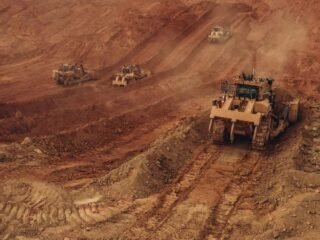
Deep in the Pilbara, inside Queensland’s coal pits, and across the red sands of the Northern Territory, machines worth millions rely on one trade to keep running — the Diesel Fitter.
They are the field doctors of heavy industry. When a haul truck stalls mid-haul, when an excavator overheats, or when a grader’s hydraulics fail, Diesel Fitters are the ones who bring these giants back to life.
In 2026, Australia’s mining, construction, and renewables sectors are operating more machinery than ever. That means an unprecedented demand for skilled Diesel Fitters who can maintain, rebuild, and diagnose complex engines and hydraulic systems under tough FIFO conditions.
This guide explores every part of the trade — from tools and rosters to salaries, employers, and the new technologies reshaping diesel mechanics in the field.
1. The Role of a FIFO Diesel Fitter
At its core, a Diesel Fitter’s role is to keep heavy-duty equipment operational, safe, and reliable.
They inspect, diagnose, repair, and maintain diesel-powered machines used across mining, civil, and energy industries. Their work directly affects production output and safety on site.
Key Responsibilities
- Maintain and repair engines, transmissions, and hydraulic systems on mobile and fixed plant.
- Conduct scheduled servicing on haul trucks, loaders, dozers, and excavators.
- Diagnose faults using electronic diagnostic tools and manual inspections.
- Replace filters, injectors, pumps, and turbochargers.
- Perform component rebuilds in workshops and in the field.
- Test, tune, and calibrate diesel engines for optimal efficiency.
- Keep detailed maintenance and service records.
Diesel Fitters are the backbone of every fleet — the unsung specialists who prevent million-dollar downtime.
2. Types of Equipment Maintained by Diesel Fitters
The scope of work depends on the size and type of machinery being serviced.
| Equipment Type | Example Models | Common Brands |
|---|---|---|
| Haul Trucks | CAT 793F, Komatsu 930E, Hitachi EH5000 | Caterpillar, Komatsu, Hitachi |
| Excavators | Hitachi EX5600, Liebherr R996, Komatsu PC7000 | Liebherr, Hitachi, Komatsu |
| Dozers | CAT D11, Komatsu D475, John Deere 1050K | Caterpillar, Komatsu, John Deere |
| Graders | CAT 16M, Komatsu GD655 | Caterpillar, Komatsu |
| Loaders | CAT 994K, Volvo L350H | Caterpillar, Volvo |
| Drill Rigs | Epiroc Pit Viper 271, Sandvik DR580 | Epiroc, Sandvik |
| Generators & Pumps | Cummins QSK, Perkins 2806A | Cummins, Perkins |
| Light Vehicles | Toyota LandCruiser, Isuzu D-Max | Toyota, Isuzu |
A Diesel Fitter may start with light vehicles before moving to high-horsepower mining equipment, where engines can exceed 3,000 horsepower.
3. Core Skills and Technical Competencies
Being a Diesel Fitter requires both technical skill and practical experience.
Essential Skills
- Diesel engine diagnostics using scan tools (CAT ET, Komatsu KDP, Cummins INSITE).
- Hydraulic, pneumatic, and mechanical fault-finding.
- Preventive maintenance and reliability servicing.
- Engine rebuilds and component replacements.
- Welding, fabrication, and basic machining.
- Electrical troubleshooting on 24V systems.
- Interpreting service manuals and schematics.
Fitters who can combine diagnostics with field repair efficiency are among the most valuable on-site professionals.
4. Training and Qualifications
A recognised trade qualification and strong safety record are the entry points to this career.
Mandatory Qualifications
- Certificate III in Heavy Commercial Vehicle Mechanical Technology (AUR31120)
or
Certificate III in Mobile Plant Technology (AUR31220). - White Card (CPCWHS1001).
- Valid Australian Driver’s Licence (HR preferred).
- Pre-employment medical and drug screening.
Recommended Site Tickets
- Working Safely at Heights (RIIWHS204E).
- Confined Space Entry (RIIWHS202E).
- Gas Testing (MSMWHS217).
- High-Risk Work Licence (Forklift LF, EWP WP).
- Standard 11 (for QLD mining).
Advanced Training Options
- OEM technical courses from Caterpillar, Komatsu, Hitachi, or Cummins.
- Hydraulic System Diagnostics and Maintenance.
- Diesel Electronic Control System Tuning.
- Certificate IV in Engineering or Leadership and Management.
Fitters who complete OEM certifications can often command premium rates and secure stable roles with major mining companies.
5. Tools and Diagnostic Equipment
A Diesel Fitter’s tools are their lifeline in the field.
Essential Tools:
- Torque wrenches, socket sets, spanners, pullers, and bearing tools.
- Digital multimeters, compression testers, and injector test kits.
- Hydraulic hose crimpers and seal kits.
- Welding and oxy-cutting equipment for on-site fabrication.
Diagnostic Technology:
- CAT ET for Caterpillar systems.
- Komatsu KDP for machine monitoring.
- Cummins INSITE for engine diagnostics.
- Jaltest and TEXA for multi-brand analysis.
Emerging Tools:
- Telematics data platforms for predictive maintenance.
- IoT-based engine monitoring sensors.
- Augmented reality (AR) training tools for diagnostics.
6. Where Diesel Fitters Work in 2026
Diesel Fitters are needed in every region where machinery operates — from mine sites to infrastructure hubs.
Western Australia
The Pilbara remains the diesel capital of Australia. Locations such as Newman, Tom Price, Port Hedland, and Paraburdoo employ thousands of Fitters maintaining BHP, FMG, and Rio Tinto fleets. Lithium expansion projects in Greenbushes and Kalgoorlie also drive demand.
Queensland
The Bowen Basin, Galilee Basin, and Surat Basin dominate with coal and gas operations. Key hubs include Moranbah, Emerald, Blackwater, and Roma. Fitters are also in demand at Gladstone for LNG and port facilities.
Northern Territory
Diesel Fitters support operations at Gove, Tennant Creek, and Darwin LNG, as well as defence and infrastructure projects.
South Australia
Projects at Olympic Dam, Prominent Hill, and Carrapateena require experienced maintenance Fitters, particularly for underground work.
New South Wales and Victoria
Operators in Hunter Valley, Broken Hill, and Geelong use FIFO and DIDO rosters for mining, manufacturing, and renewables.
7. Salaries and Rosters (2026)
Pay rates reflect both technical skill and worksite isolation.
| Role | Hourly Rate | Annual Range | Typical Roster |
|---|---|---|---|
| Apprentice / Trade Assistant | $35–$45 | $80,000–$95,000 | 8:6 |
| Qualified Diesel Fitter | $55–$75 | $130,000–$160,000 | 2:1 |
| Field Service Fitter | $75–$90 | $160,000–$180,000 | 2:1 |
| Leading Hand / Supervisor | $95–$110 | $180,000–$210,000 | 2:1 or 4:2 |
| Diagnostic or Reliability Specialist | $110–$130 | $200,000–$240,000 | 4:2 |
Employers include travel, meals, PPE, and accommodation, with extra bonuses during shutdowns or breakdown emergencies.
8. Major Employers and Contractors
Diesel Fitters work for both mine owners and service contractors.
Mining Companies:
BHP, Rio Tinto, FMG, Roy Hill, Glencore, South32, Newmont.
Contractors and OEMs:
Thiess, Downer, Macmahon, Monadelphous, Komatsu, Liebherr, Hitachi Construction Machinery, Cummins South Pacific.
Recruitment and Labour Hire:
WorkPac, CoreStaff, Programmed, Chandler Macleod, Stellar Recruitment.
Fitters with multi-brand experience and advanced diagnostic skills often secure long-term contracts or permanent FIFO rotations.
9. Typical Day on Site
A Diesel Fitter’s workday balances structure and unpredictability.
Morning starts around 5:30 am with pre-start safety meetings. Fitters inspect toolboxes, review maintenance schedules, and prepare service trucks. The day includes performing breakdown repairs, conducting major component changes, and assisting with shutdowns.
By evening, all equipment is logged, serviced reports are updated, and tools are cleaned before the next shift. Night shifts often focus on breakdown and urgent maintenance to reduce downtime.
10. Career Progression and Pathways
Diesel Fitting offers multiple directions for growth — from hands-on to technical or managerial.
Stage 1 (Years 1–3): Apprentice or Trade Assistant learning engine basics.
Stage 2 (Years 4–7): Qualified Fitter performing field maintenance.
Stage 3 (Years 8–10): Senior or Field Service Fitter managing remote jobs.
Stage 4 (Years 11–15): Leading Hand or Maintenance Supervisor.
Stage 5 (15+ Years): Reliability Engineer, Maintenance Planner, or Trainer.
Additional Study Options
- Certificate IV in Leadership and Management.
- Diploma of Engineering – Mechanical or Maintenance.
- Reliability and Condition Monitoring Courses.
- OEM Master Technician Programs.
Diesel Fitters who master data-driven diagnostics and leadership often move into supervisory or reliability roles above $200,000 annually.
11. Working Conditions and Challenges
Life as a Diesel Fitter combines long hours, remote conditions, and high responsibility.
Advantages
- Excellent job security and pay.
- Opportunities to work with the latest heavy equipment.
- Pathway into supervision or technical diagnostics.
- Strong camaraderie in field teams.
Challenges
- Extreme heat and dust exposure.
- Long rosters and time away from home.
- Physically demanding work.
- Tight deadlines under production pressure.
Modern sites are improving conditions through climate-controlled workshops, fatigue management, and mental health programs, making the FIFO lifestyle more sustainable.
12. How to Start a FIFO Diesel Fitter Career
Getting started takes qualification, persistence, and readiness for remote work.
- Complete Certificate III in Heavy Vehicle or Mobile Plant Technology.
- Obtain a White Card and essential safety training.
- Gain workshop experience maintaining heavy vehicles.
- Apply for field service or shutdown contracts through recruiters.
- Progress to FIFO maintenance teams or OEM service divisions.
- Keep upskilling with diagnostics and hydraulic certifications.
Many Fitters start in civil or local mechanical workshops before transitioning to FIFO after two years of experience.
13. The Future of Diesel Fitting in 2026 and Beyond
The role of the Diesel Fitter is evolving, not disappearing.
Hybrid and electric machinery are introducing new systems, but diesel technology remains dominant across mining and transport. Fitters with diagnostic and electrical training are now bridging the gap between traditional engines and modern hybrid systems.
As mines adopt automation and telematics, Fitters are becoming technicians — experts who interpret machine data to prevent breakdowns before they happen. The future of this trade belongs to those who adapt to smarter, cleaner, and data-driven maintenance.
14. Conclusion: The Unsung Power Behind Australia’s Machines
Every truck, excavator, and generator that moves Australia’s industry forward relies on the skill of a Diesel Fitter. From the scorching Pilbara to the humid coalfields of Queensland, these mechanics keep production alive.
In 2026, with more projects launching than ever, Diesel Fitters are not just maintaining machinery — they are maintaining the nation’s momentum.
For those who love engines, problem-solving, and the thrill of real mechanical power, this career offers unmatched stability, salary, and pride.
Next Steps:
- Certificate III in Heavy Vehicle Mechanical Technology (AUR31120)
- Advanced Hydraulic Systems and Diagnostics Training
- High Voltage and Hybrid Diesel Technology Courses
- Leadership and Maintenance Planning Pathway