Every haul road, plant expansion, and pit excavation in remote Australia depends on skilled operators controlling machines that move the impossible. From 600-tonne crawler cranes to 200-tonne dump trucks, FIFO crane and heavy equipment operators are the physical and technical backbone of the resource economy.
In 2026, mining, energy, and renewable projects are pushing machinery fleets to record levels. Operators who can handle advanced cranes, diggers, loaders, and dozers are in top demand. This career combines technical precision, responsibility, and the thrill of working with some of the most powerful machines in the world.
1. What FIFO Crane and Heavy Equipment Operators Do
These specialists are responsible for the operation, maintenance, and safety of multimillion-dollar assets used across mining, construction, and energy infrastructure.
Core Responsibilities
- Operate heavy earthmoving and lifting machinery to move ore, steel, and construction materials.
- Read and interpret load charts, lift plans, and work instructions.
- Conduct pre-start checks and daily inspections on mechanical, hydraulic, and safety systems.
- Coordinate lifts with riggers, dogmen, and site engineers.
- Follow mine-site safety standards, exclusion zones, and communication protocols.
- Carry out minor maintenance, lubrication, and fault reporting.
- Operate within environmental and site compliance standards.
Every operation requires focus and teamwork. One mistake with a 500-tonne lift or a loaded haul truck can shut down an entire site.
2. Types of Equipment Used on FIFO Sites
FIFO operators work with an enormous range of machines — each suited to specific terrain, materials, and projects.
Cranes
- Liebherr LR 1600/2 crawler cranes for heavy modular lifts.
- Terex AC 350-6 all-terrain cranes for mobile project work.
- Franna MAC 25 pick-and-carry cranes for short lifts and maintenance tasks.
- Demag CC 3800-1 lattice boom crawler cranes for plant assembly.
- Grove GMK 6300L for general construction lifting.
Earthmoving & Mining Equipment
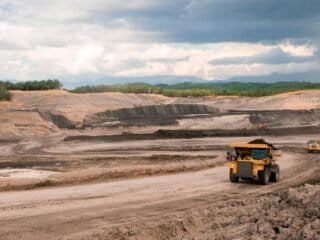
- Caterpillar 793F / Komatsu 830E haul trucks.
- Hitachi EX5600-6 / Liebherr R 9800 excavators.
- CAT D10T / Komatsu D475A bulldozers for overburden removal.
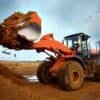
- CAT 994K / Komatsu WA900-8 wheel loaders for ore loading.
- CAT 16M / John Deere 872G graders for haul road maintenance.
- Volvo A60H articulated dump trucks for flexible material movement.
Other Heavy Plant
- Hydraulic cranes, telehandlers, forklifts, mobile elevated work platforms (EWP).
- Pipe layers, drill rigs, compactors, and trenchers for civil works.
Operators are trained to handle multiple categories, making them valuable across diverse projects.
3. Industries Employing Crane and Equipment Operators
| Industry | Major Employers | Example Projects |
|---|---|---|
| Mining & Resources | BHP, Rio Tinto, FMG, Glencore, South32 | Pilbara iron ore, Bowen Basin coal, Olympic Dam |
| Construction & Infrastructure | CPB Contractors, Thiess, Downer, Laing O’Rourke | Rail and port expansions, renewable energy projects |
| Oil & Gas | Woodside, Santos, INPEX, Chevron | LNG plant maintenance and modular assembly |
| Renewables & Energy | AGL, Neoen, Vestas, GE Renewables | Wind farm and battery installation |
| Defence & Government Projects | Ventia, Lendlease, BMD | Northern Territory training bases, civil infrastructure |
Operators are deployed across Australia on rotation schedules, managing both new builds and ongoing maintenance.
4. Major FIFO Locations in 2026
Western Australia
The Pilbara remains the global hub for heavy equipment operation with projects in Port Hedland, Karratha, Tom Price, and Newman. The Goldfields and Mid West regions host nickel and lithium operations requiring skilled operators.
Queensland
The Bowen Basin (Moranbah, Dysart) and Surat Basin (Roma, Chinchilla) employ hundreds of operators for coal, gas, and renewables.
Northern Territory
Darwin, Katherine, and Gove are active hubs for defence and LNG-related crane work.
South Australia
Olympic Dam and Prominent Hill require large-scale lifting and transport operations year-round.
New South Wales and Victoria
Crane and plant operators support infrastructure, ports, and wind projects near Newcastle, Broken Hill, and Geelong.
5. Required Licences and Training
Essential
- High-Risk Work Licence (HRWL) – Required classes:
- CN, C2, C6, C1, C0 (Crane operation categories)
- DG (Dogging), RB/RG (Rigging Basic/Intermediate)
- White Card (CPCWHS1001) for site entry.
- Heavy Rigid (HR) Licence for driving mobile cranes.
- Forklift Licence (LF) and Elevated Work Platform (WP).
- Pre-employment medical, drug and alcohol testing.
- National Police Clearance.
Recommended
- Certificate III in Mobile Crane Operations (TLI31721).
- Certificate III in Surface Extraction Operations (RII30120).
- Certificate IV in Civil Construction Supervision (RII40720).
- First Aid, Fire Safety, and Emergency Response training.
- Working at Heights and Confined Space Entry.
Core Skills
- Spatial awareness and depth perception.
- Mechanical knowledge and hydraulic control.
- Strong communication and teamwork with rigging and lifting crews.
- Understanding of load charts, balance, and wind conditions.
6. Pay and Rosters
Cranes and heavy plant are among the most expensive assets on site, and skilled operators are paid accordingly.
| Position | Hourly Rate | Annual Range | Typical Roster |
|---|---|---|---|
| Crane Operator (C6/C1) | $60–$75 | $130,000–$160,000 | 2:1 |
| Crawler Crane / Supervisor | $80–$100 | $165,000–$190,000 | 2:1 or 3:1 |
| Excavator / Loader Operator | $55–$70 | $120,000–$145,000 | 2:1 |
| Dozer / Grader Operator | $60–$80 | $130,000–$165,000 | 2:1 |
| Heavy Haulage / Multi-Skill Operator | $85–$110 | $170,000–$210,000 | 2:1 |
Operators often earn overtime and project completion bonuses, with flights, meals, and accommodation included.
7. A Day in the Life of a FIFO Operator
Operating heavy machinery in the outback is a mix of precision and endurance.
Morning (5:30–7:00am):
Toolbox meetings, weather briefings, and pre-start checks. Operators inspect hydraulics, brakes, and safety systems before engaging the first load or excavation task.
Midday (10:00–2:00pm):
Active lifting or material movement in coordination with riggers and supervisors. Communication is constant through two-way radios and visual signals.
Afternoon (3:00–5:30pm):
Final loads, equipment refueling, and shutdown procedures. Post-operation checklists ensure readiness for the next shift.
Evening:
Operators review safety notes, report maintenance issues, and rest before repeating the routine — precision under fatigue is the measure of a professional.
8. Leading Employers and Recruitment Pathways
Top employers for crane and heavy equipment operators include:
- Mining majors: BHP, Rio Tinto, Fortescue Metals Group, Glencore, South32.
- Construction giants: CPB Contractors, Thiess, Laing O’Rourke, Downer.
- Energy and renewables: Santos, Woodside, INPEX, Vestas, Neoen.
- Service providers: Monadelphous, NRW, MACA, Sedgman, BGC Contracting.
- Equipment specialists: Tutt Bryant, Boom Logistics, WATM Cranes, Universal Cranes, Smithbridge Group.
Recruitment agencies such as Chandler Macleod, CoreStaff, Programmed, and Brunel frequently list FIFO operator roles on SEEK, Indeed, and LinkedIn under Crane Operator FIFO, Excavator Operator FIFO, and Plant Operator FIFO.
9. Career Pathways and Progression
Heavy equipment work offers a lifetime of growth. With each certification, an operator gains access to larger machines, supervisory roles, or project management opportunities.
Early Stage (Years 1–2): Start as a labourer or trainee operator on small equipment.
Intermediate (Years 3–5): Earn HRWL for cranes or excavators, operate independently under supervision.
Advanced (Years 6–8): Take on complex lifts, train in rigging, and lead small equipment teams.
Leadership (Years 9–12): Progress to Lift Supervisor, Crane Coordinator, or Site Superintendent.
Expert Level: Move into heavy-lift planning, logistics, or project engineering.
Study Pathways:
- Diploma of Civil Construction Management (RII50420)
- Diploma of Leadership and Management (BSB50420)
- Advanced Rigging and Crane Planning Certifications
10. Work Conditions and Lifestyle
Operating cranes and machinery in remote FIFO environments brings a unique mix of benefits and challenges.
Advantages
- High pay and job stability across multiple sectors.
- Access to state-of-the-art machinery and technology.
- Clear skill-based progression and leadership opportunities.
- Inclusive of travel, accommodation, and meals.
Challenges
- Extended rosters in harsh conditions.
- Exposure to heat, dust, vibration, and isolation.
- High physical and mental focus requirements.
- Strict adherence to safety and compliance standards.
Operators must balance endurance and precision while managing fatigue and environmental factors.
11. How to Start a FIFO Heavy Equipment Career
- Complete White Card and pre-employment medicals.
- Enrol in Certificate III in Surface Extraction Operations or Mobile Crane Operations.
- Obtain relevant High-Risk Work Licences (CN–C0, DG, RB/RG, LF).
- Apply for entry-level Plant Operator or Rigger Assistant roles through major contractors.
- Gain hands-on experience, upgrade tickets, and specialise in heavy-lift or excavation operations.
- Maintain impeccable safety and communication records to move into higher-paid roles.
12. Conclusion: Powering the Nation’s Projects
From mine expansions to wind farm installations, FIFO crane and heavy equipment operators make the impossible look routine. Their skill and precision move Australia’s largest loads and shape its future infrastructure.
If you enjoy mastering complex machinery, working in teams, and seeing tangible results of your work at massive scale, this career offers unmatched satisfaction, pay, and progression. In 2026, the demand for capable operators remains fierce — and the opportunities endless.
Next Steps:
- FIFO Heavy Vehicle Operator Jobs (2026 Guide)
- Certificate III in Mobile Crane Operations Course Overview
- High-Risk Work Licence Application Process
- Advanced Rigging and Lifting Safety Course