Introduction: The Lifesavers of Australia’s Remote Workforce
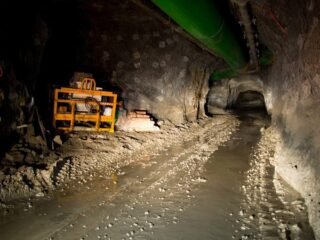
Mining, gas, and infrastructure operations run around the clock, often hundreds of kilometres from the nearest town. In these isolated environments, when an accident, fire, or medical emergency happens, help must come from within the site itself.
That’s where FIFO Emergency Response Officers (EROs) and Fire Safety personnel step in. They are the first responders for incidents ranging from equipment fires and vehicle rollovers to medical trauma and gas leaks. Their work combines firefighting, first aid, rescue operations, and safety leadership — making it one of the most respected and specialised FIFO career paths in Australia.
This guide covers everything from training and certification requirements to job expectations, pay scales, leading employers, and real-world examples from the field.
1. The Role of an Emergency Response and Fire Safety Officer
Core Responsibilities
- Lead first response to fires, injuries, and hazardous incidents across mine, camp, or gas facilities.
- Conduct regular site inspections to identify safety risks and ensure compliance with emergency procedures.
- Operate and maintain firefighting vehicles, extinguishers, suppression systems, and breathing apparatus.
- Train staff in emergency drills, fire evacuation procedures, and use of fire safety equipment.
- Provide advanced first aid and trauma care before paramedics or retrieval teams arrive.
- Oversee confined space and working-at-heights rescue operations.
- Maintain emergency communication systems and site alarms.
- Document all incidents and report to HSE management for continuous improvement.
Typical Equipment Used
- Structural and wildfire firefighting gear (PPE, SCBA, hoses, hydrants)
- First aid and trauma kits (defibrillators, airway management tools, stretchers)
- Gas detection and atmospheric testing devices
- 4WD fire tenders, water tankers, and utility vehicles
- Communication systems (UHF/VHF radios, satellite phones)
2. Common Work Environments and Industries
FIFO emergency response roles exist in multiple high-risk sectors across Australia:
| Industry | Examples of Worksites | Typical Employers |
|---|---|---|
| Mining and Resources | Open-cut and underground mines across WA, QLD, and SA | BHP, Rio Tinto, FMG, Glencore, Newmont |
| Oil & Gas | LNG plants, gas compression sites, pipeline operations | Woodside, Santos, INPEX, Shell |
| Construction & Infrastructure | Power stations, major road and rail projects | Downer, CPB Contractors, Ventia |
| Energy & Utilities | Remote power stations, renewable energy hubs | APA Group, Cleanaway, Sodexo |
| Camp Operations | Accommodation villages with 500+ personnel | ESS (Compass), Morris Corp, Sodexo |
3. Key Locations for FIFO Emergency Response Jobs
Western Australia
WA remains the largest hub for emergency response positions.
- Pilbara: Massive mining operations in Port Hedland, Newman, Tom Price, and Paraburdoo run 24-hour emergency services teams.
- Goldfields: Kalgoorlie, Leinster, and Laverton sites require EROs for underground fire and rescue.
- Perth-based Response Rosters: Many companies mobilise from Perth Airport, with training bases in Welshpool, Belmont, and Kewdale.
Queensland
- Bowen Basin: Coal mines near Moranbah, Dysart, and Emerald employ full-time emergency services officers on 8:6 or 14:7 rosters.
- Surat Basin: Gas field operators near Roma and Chinchilla require fire and rescue staff with breathing apparatus and confined space experience.
South Australia
- Roxby Downs (Olympic Dam) and Prominent Hill maintain dedicated emergency teams with paramedical and firefighting skills.
Northern Territory
- LNG and energy operations near Darwin, Gove, and Katherine require EROs trained in hazardous gas management.
New South Wales
- Projects around Lithgow and Broken Hill occasionally recruit FIFO safety officers for short-term construction and shutdown projects.
4. Required Qualifications and Licences
Essential Certifications
- Certificate III in Emergency Response and Rescue (PUA30622)
- Certificate III in Mines Emergency Response and Rescue (RII30719)
- MSMWHS216 – Operate Breathing Apparatus
- MSMWHS217 – Gas Test Atmospheres
- HLTAID011 – Provide First Aid and HLTAID014 – Provide Advanced First Aid
- PUAFIR207 – Operate Breathing Apparatus Open Circuit
- White Card (CPCWHS1001)
- National Police Clearance and Medical Assessment
Recommended Advanced Training
- PUAFIR303 – Suppress Wildfire
- PUAFIR320 – Render Hazardous Materials Incidents Safe
- RIIWHS202E – Enter and Work in Confined Spaces
- RIIWHS204E – Work Safely at Heights
- S123 – Supervisor Training
- G2 – Risk Management
- 4WD Defensive Driving and Off-Road Recovery
Workers with paramedical or firefighting backgrounds are highly sought after for multi-skilled emergency teams.
5. Pay and Rosters
| Position | Hourly Rate | Typical Annual Earnings | Common Rosters |
|---|---|---|---|
| Emergency Response Officer (Entry) | $45–$55 | $100,000–$125,000 | 2:1 or 8:6 |
| Fire Safety Officer | $55–$65 | $115,000–$140,000 | 14:7 or 8:6 |
| Senior Emergency Services Officer | $65–$80 | $140,000–$165,000 | 2:1 |
| Paramedic / Emergency Response Coordinator | $80–$95 | $160,000–$190,000 | 2:1 |
High-level positions often include additional allowances for on-call duties and extended standby hours.
6. Typical Day on Site
Morning (5:30–8:00am)
- Pre-start safety meeting and daily risk briefing.
- Conduct fire and equipment inspections around camp, workshops, and fuel storage.
- Verify emergency communications and breathing apparatus.
Midday (11:00–2:00pm)
- Deliver safety toolbox presentations or run mock drills.
- Inspect confined spaces, hot work permits, and flammable storage areas.
- Attend medical calls (fatigue cases, sprains, heat stress).
Afternoon (3:00–6:00pm)
- Patrol high-risk areas such as refuelling stations and conveyor systems.
- Review incident reports and update compliance records.
- Participate in scheduled firefighting and rescue practice sessions.
During critical incidents (fires, gas leaks, major injuries), EROs coordinate directly with site management and external emergency services until the situation is stabilised.
7. Leading Employers and Contractors
- MSS Strategic Medical & Rescue – emergency response and paramedical services for mining and oil sectors.
- Falck Australia – provides industrial firefighting and rescue support for LNG and mining clients.
- ER24 / Medical Rescue Group – advanced paramedic and rescue teams for remote projects.
- Sodexo and Compass Group (ESS) – operate large FIFO villages with integrated emergency services.
- Downer / Spotless – long-term maintenance and safety contracts including ERO staff.
- Ventia – offers emergency response services for infrastructure and defence contracts.
8. Career Pathways and Progression
Entry Pathways
- Firefighter, paramedic, or military service background
- Tradespeople or safety officers completing emergency training
- Experienced utility or maintenance staff upgrading qualifications
Progression Routes
- Emergency Response Officer → Senior ERO → Emergency Services Coordinator
- Fire Safety Officer → Safety Advisor → HSE Superintendent
- ERO → Training & Induction Coordinator → Site Safety Manager
- ERO → Paramedic → Emergency Response Manager
Higher Education Options
- Diploma of Paramedical Science (HLT51020)
- Diploma of Work Health and Safety (BSB51319)
- Diploma of Leadership and Management (BSB50420)
This field often serves as a bridge between operational and safety leadership roles.
9. The Lifestyle and Work Conditions
Advantages
- High respect and trust within the FIFO community
- Strong remuneration for non-trade roles
- Physically active, meaningful work with visible outcomes
- Structured rosters and clear progression to management
Challenges
- Constant readiness for critical incidents
- Long hours, exposure to heat and noise
- Emotional stress from trauma situations
- Responsibility for entire workforce safety
Most camps provide high-standard living conditions, including gym access, recreation rooms, and reliable communication systems for family contact.
10. How to Start Your Career
- Obtain a White Card and complete Certificate III in Emergency Response and Rescue.
- Add Breathing Apparatus, Gas Test Atmospheres, and Advanced First Aid.
- Prepare a professional FIFO-ready resume highlighting any safety, rescue, or first aid experience.
- Apply to contractors such as MSS Strategic Medical, Falck, Ventia, or Downer Group.
- Complete medical and fitness screening, then attend company induction and deployment training.
Conclusion: The First Line of Defence in Australia’s Harshest Workplaces
Emergency response and fire safety officers are the backbone of every safe FIFO operation. They combine discipline, training, and courage to protect thousands of workers across the country’s most remote and hazardous environments.
If you have a background in safety, rescue, or medical work — or simply the drive to protect others — this role offers one of the most rewarding and stable careers in the resources sector. With the right certifications and attitude, you can build a lifelong career as part of Australia’s elite emergency response workforce.
Next Steps:
- FIFO Safety Officer and WHS Coordinator Jobs (2025 Guide)
- Certificate III in Emergency Response and Rescue Course Guide
- G2 Risk Management for Supervisors
- S123 Supervisor Training Course