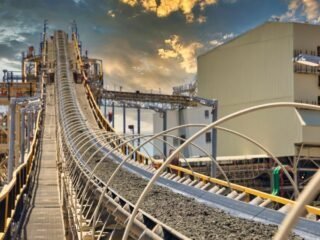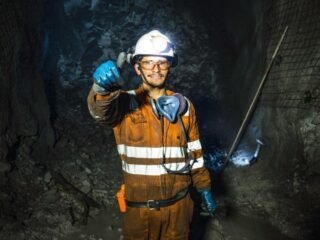
Working at heights is one of the most dangerous tasks on any mine, gas, or construction site in Australia. Every year, dozens of serious injuries occur from falls that could have been prevented through correct training and preparation.
The RIIWHS204E Working Safely at Heights course is designed to prevent those incidents. It gives FIFO workers the knowledge and skills to recognise height-related risks, choose the right equipment, and complete tasks safely.
For most major FIFO projects, this qualification is a mandatory part of employment. It shows that you can work safely, protect others, and understand how to respond if something goes wrong.
1. What the RIIWHS204E Course Is
The RIIWHS204E Working Safely at Heights unit is a nationally recognised competency within the Australian RII Training Package. It is the official requirement for anyone performing or supervising tasks above ground level.
The course teaches you how to identify hazards, plan work, and follow safe systems when there is a risk of falling. It applies to construction workers, mine site operators, maintenance staff, and anyone involved in working on scaffolds, ladders, or elevated work platforms.
2. Why FIFO Workers Need It
In FIFO operations, height-related work is routine. Whether it is changing filters on processing towers, repairing plant infrastructure, or checking equipment on raised walkways, the risk of a fall is always present.
Employers must confirm that every worker has completed a current Working Safely at Heights course before starting site duties. Without it, you will not be allowed to perform any task involving elevated platforms, access structures, or fall arrest systems.
Roles that require this qualification include:
- Boilermakers and fitters
- Electricians and instrumentation technicians
- Scaffolders and riggers
- Maintenance and shutdown crews
- Rope-access specialists
- Safety coordinators and supervisors
This ticket is recognised nationwide and is valid for all major mining and construction employers in Australia.
3. What You Learn in the Course
The RIIWHS204E course focuses on both theory and hands-on practical learning. Participants learn how to plan and execute safe height work using correct procedures and equipment.
Key learning areas include:
- Understanding the Work Health and Safety Act and Regulations
- Identifying and assessing height-related hazards
- Choosing and inspecting personal protective equipment such as harnesses and lanyards
- Correctly fitting, using, and maintaining fall arrest systems
- Setting up anchor points and fall restraint devices
- Understanding rescue plans and emergency response
- Communicating safety requirements to other workers
By the end of the course, participants can demonstrate safe performance during simulated height tasks and emergency scenarios.
4. Duration, Cost, and Assessment
Duration:
Usually one full day of intensive training, including both classroom theory and outdoor practical exercises.
Cost:
Between three hundred and five hundred dollars, depending on the training provider and region.
Assessment:
- Written test covering WHS principles and site procedures
- Practical demonstration of equipment use, hazard identification, and rescue techniques
Upon successful completion, participants receive a Statement of Attainment for RIIWHS204E Working Safely at Heights, which remains valid for five years.
5. Where to Complete the Course
Several Registered Training Organisations (RTOs) across Australia offer this qualification, often near major FIFO hubs.
Recommended providers include:
- TAFE Queensland (Brisbane, Mackay, Townsville)
- Major Training Group (QLD, NSW)
- Simsafe Training (WA and QLD mining preparation courses)
- Evolve Training (Perth, Darwin)
- CQUniversity Training Solutions (Rockhampton, Gladstone)
Most providers allow you to complete this course alongside others such as Confined Space Entry, Gas Test Atmospheres, or Fire Safety Training for a discounted package rate.
6. Real-World FIFO Applications
On-site, this qualification applies to almost every department. Examples include:
- Inspecting conveyors or crushers during shutdowns
- Servicing roof-mounted air conditioning units in camps
- Painting or welding on elevated platforms
- Performing rope access work on processing towers
- Installing or repairing structural components at height
Workers who complete the course are more trusted and often considered first for higher-paying maintenance and leadership roles.
7. What to Bring and What to Expect
Bring:
- Photo ID
- Long pants, long sleeves, and enclosed boots
- Work gloves and safety glasses if available
Expect:
- A mix of classroom discussion and outdoor exercises
- Realistic simulations of height-related work
- Supervised harness fitting and equipment setup
- Final assessments based on safe technique and confidence with safety systems
8. Career Benefits and Next Steps
Completing the RIIWHS204E course does more than meet a compliance checklist. It positions you as a skilled, site-ready worker who understands risk and accountability.
Workers with this ticket can progress to advanced qualifications such as:
- Confined Space Entry (RIIWHS202E)
- Gas Test Atmospheres (MSMWHS217)
- Working at Heights Supervisor or Rescue Training
- S123 Mining Supervisor Course
- G2 Risk Management Course
Each additional qualification increases your value on site and opens doors to supervisory and safety-focused positions.
9. Common Mistakes FIFO Workers Should Avoid
Even after completing training, some workers forget key safety habits. Common mistakes include:
- Using damaged or uninspected harnesses
- Skipping pre-start checks on anchor points
- Ignoring wind, weather, or surface conditions
- Not keeping lanyards attached at all times
- Forgetting to log equipment inspections
Refresher training every two to three years helps avoid these errors and keeps you confident on site.
Conclusion: A Must-Have for Every FIFO Worker
The RIIWHS204E Working Safely at Heights course is more than a legal requirement. It is an investment in your safety, confidence, and long-term career in mining and construction.
When you complete this training, you prove that you can protect yourself and your team while performing some of the industry’s most challenging work.
Every ladder, platform, and scaffold comes with risk. This course gives you the knowledge and discipline to face those risks with preparation and control.